

Year 5 Fieldwork
How littered is our environment?
As part of our Geography Festival of Fieldwork, Year 5 explored the question, 'How littered is our environment?' We began by using Digimaps to identify the physical and human features within our local area. Using these maps, the children made predictions about which locations would be the most littered and discussed the reasons behind their ideas.
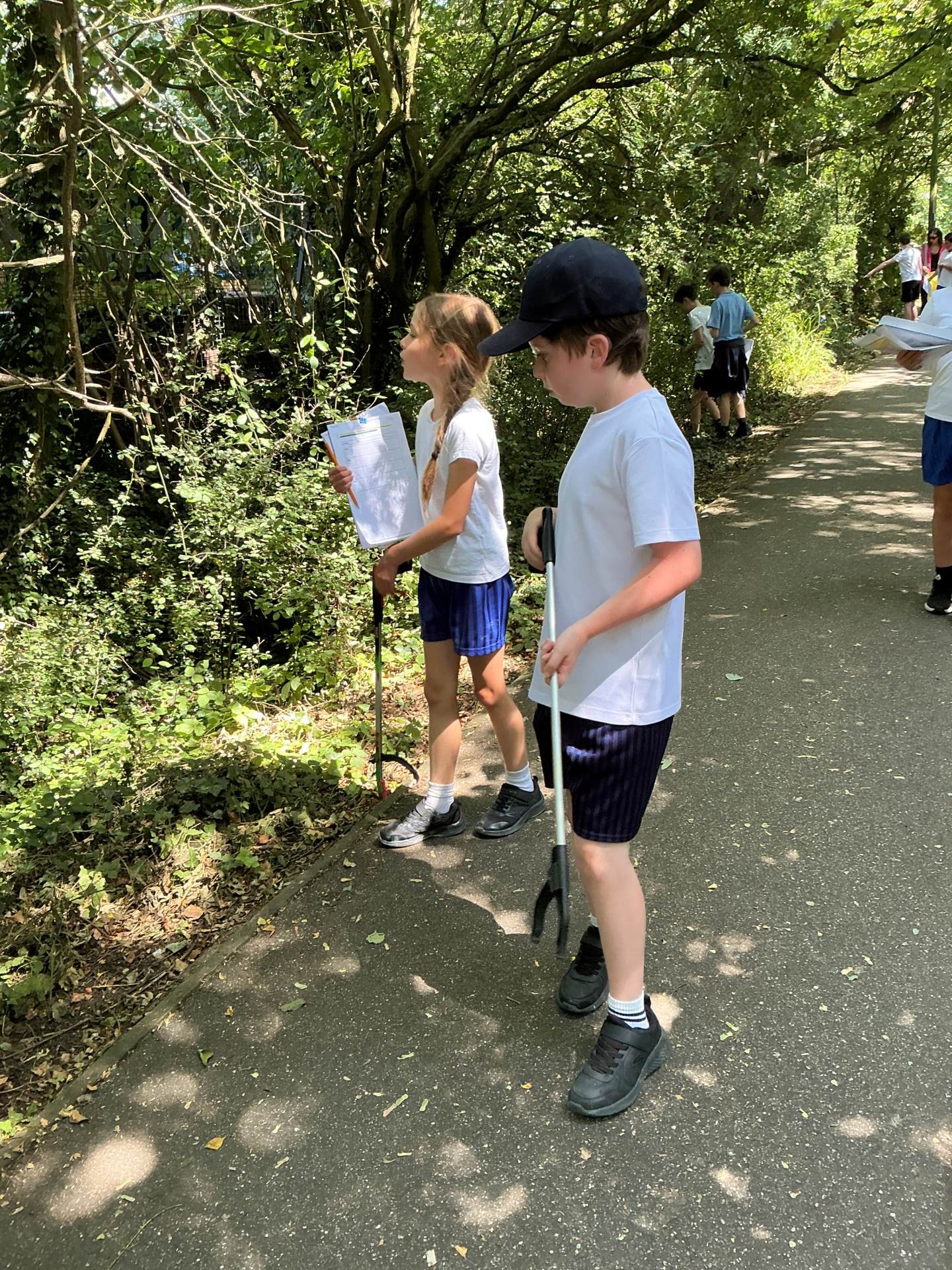
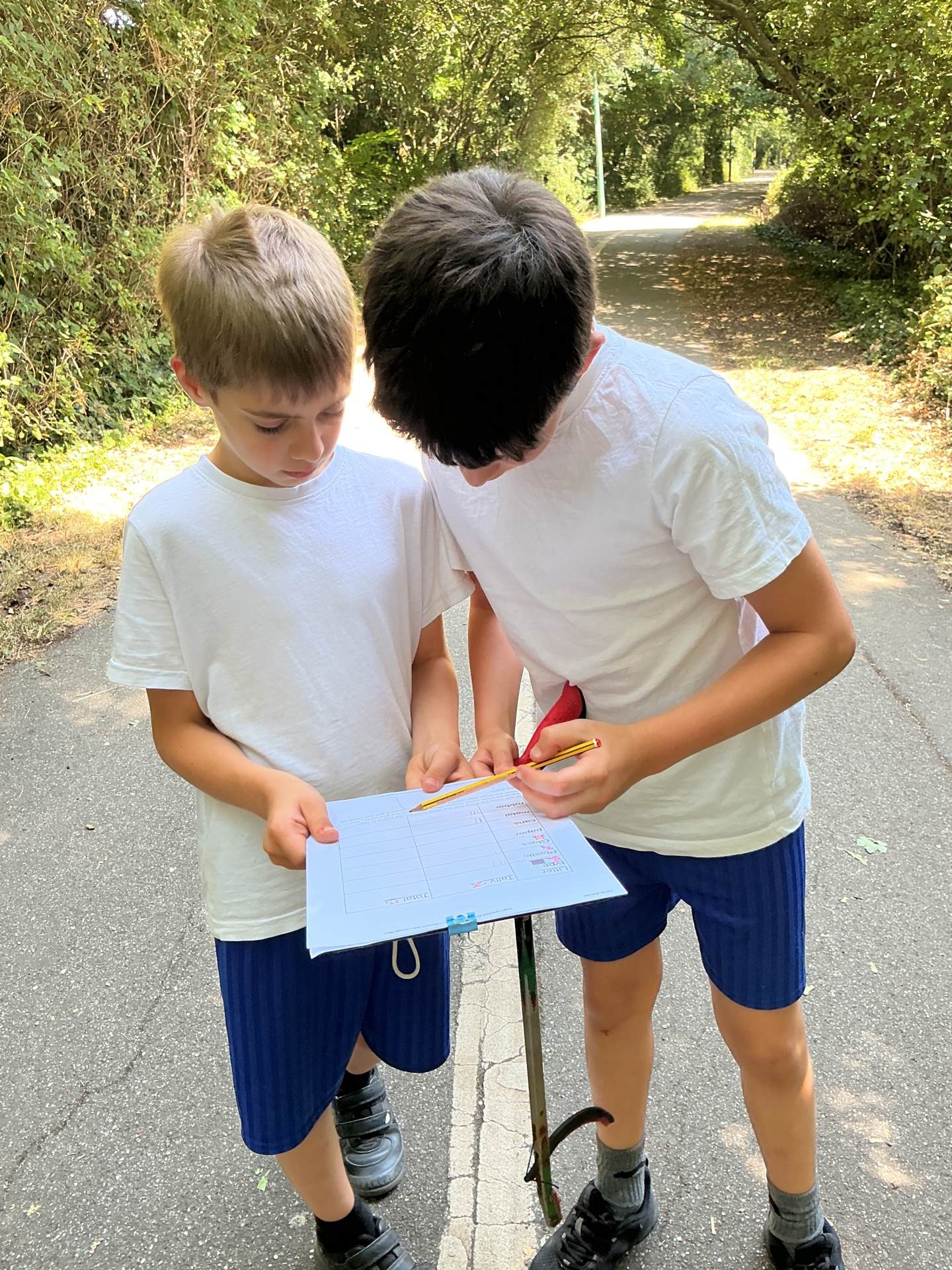
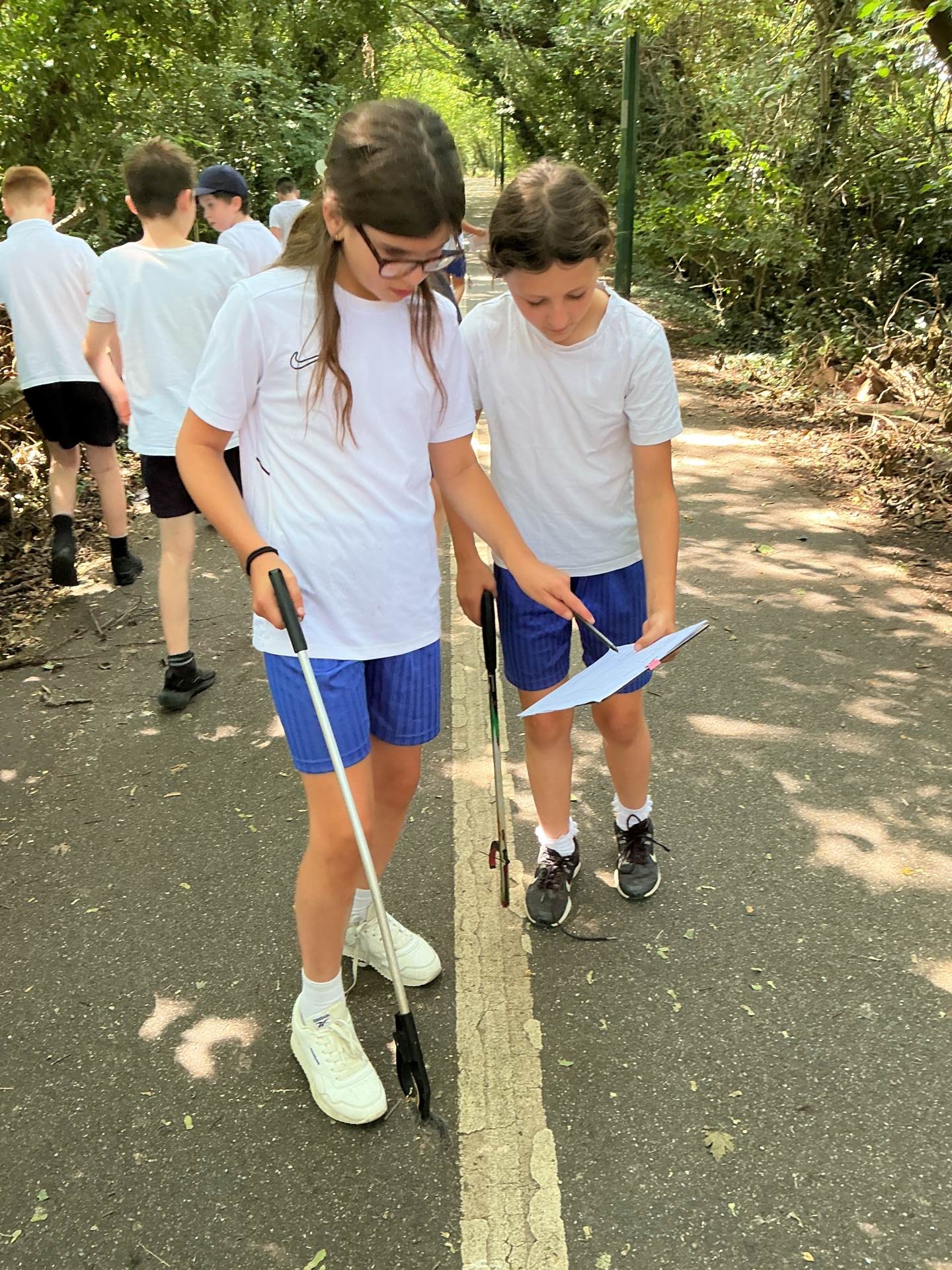
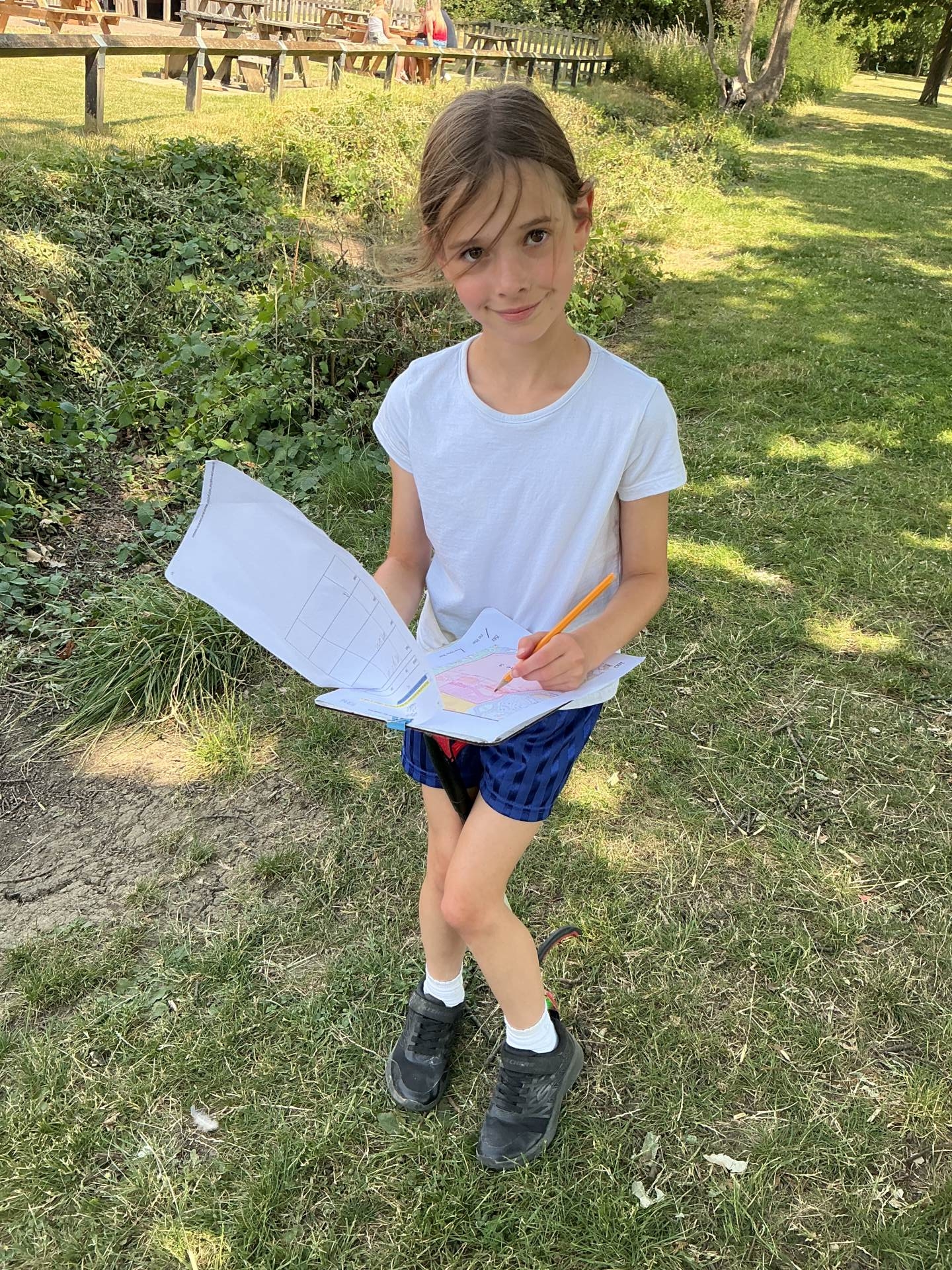
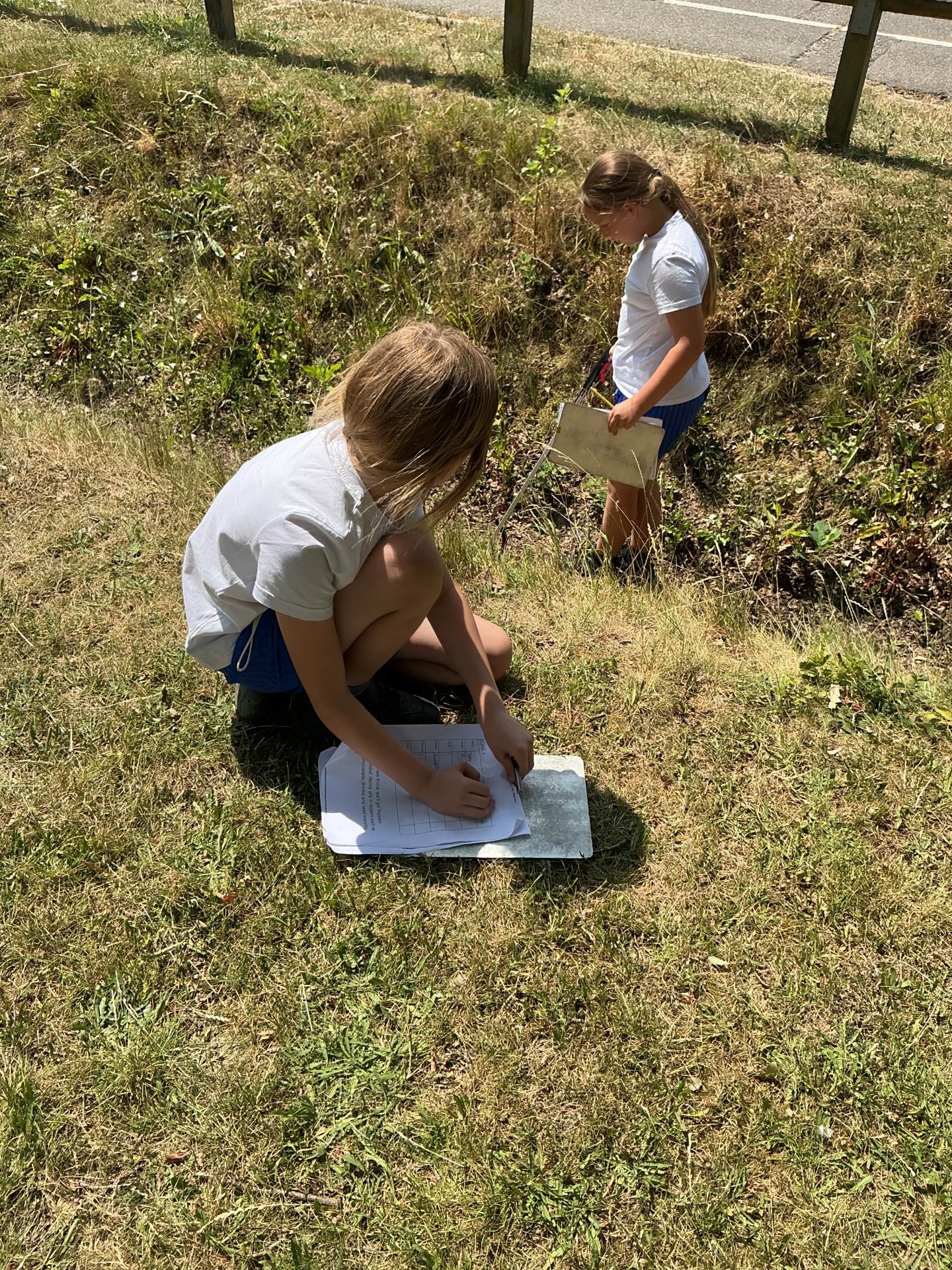
Each class was allocated a different zone to investigate. Before leaving the school grounds, the children predicted which areas within their zone would contain the most litter, what types of litter they were likely to find, and which zone they thought would have the highest amount overall. They also created tally charts to record their findings and designed questions for a questionnaire to ask members of the public during their walk.
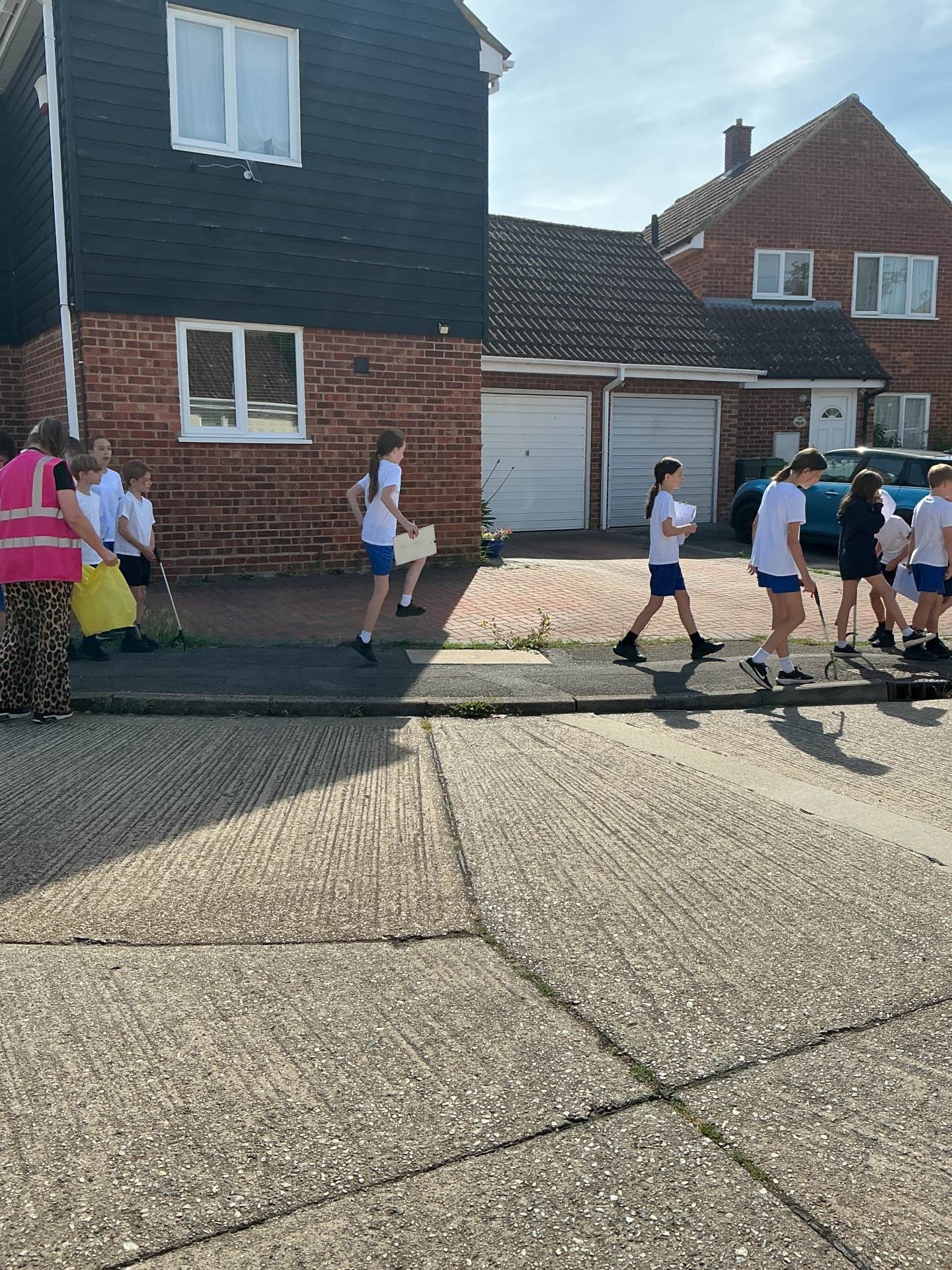
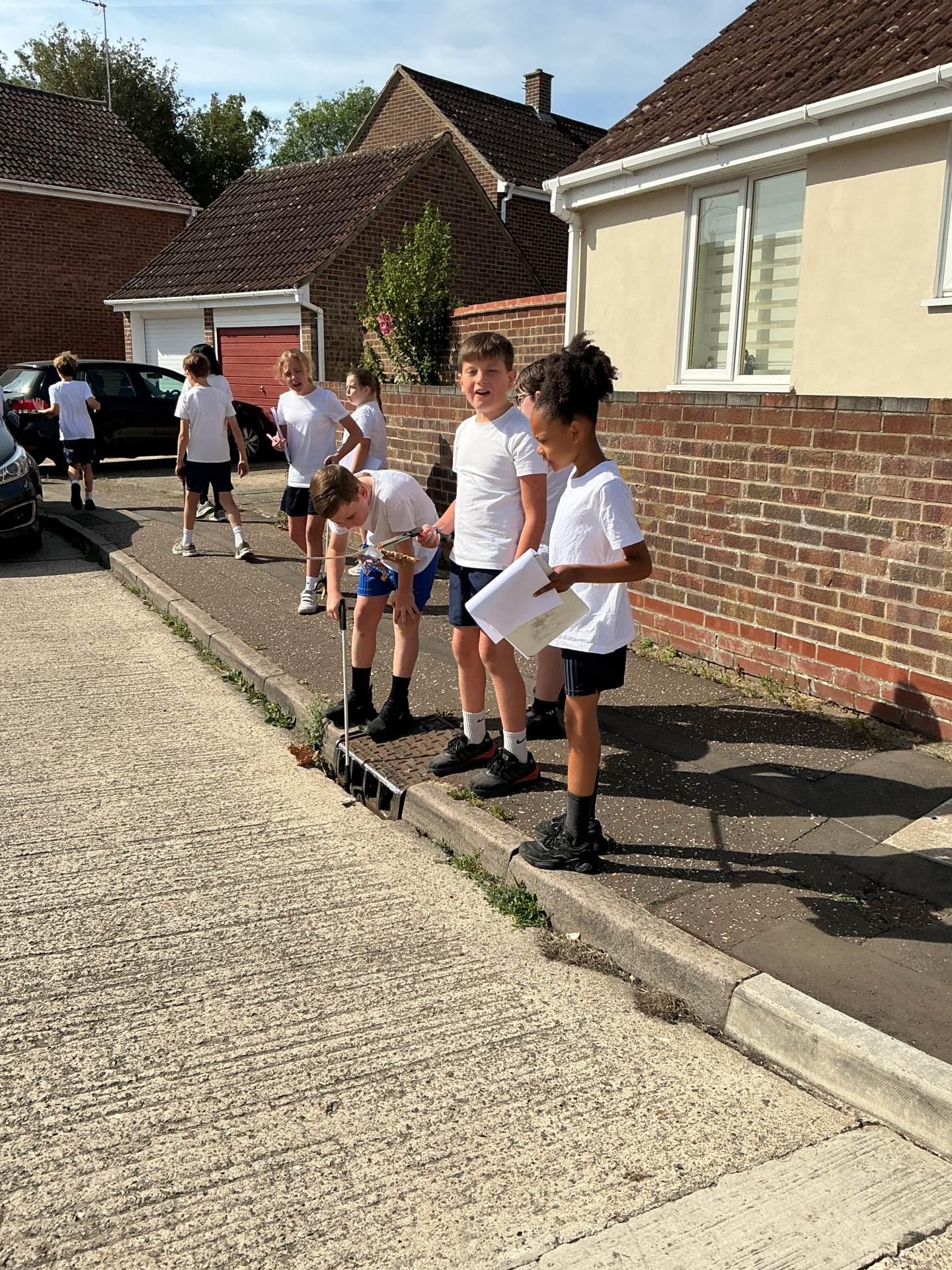
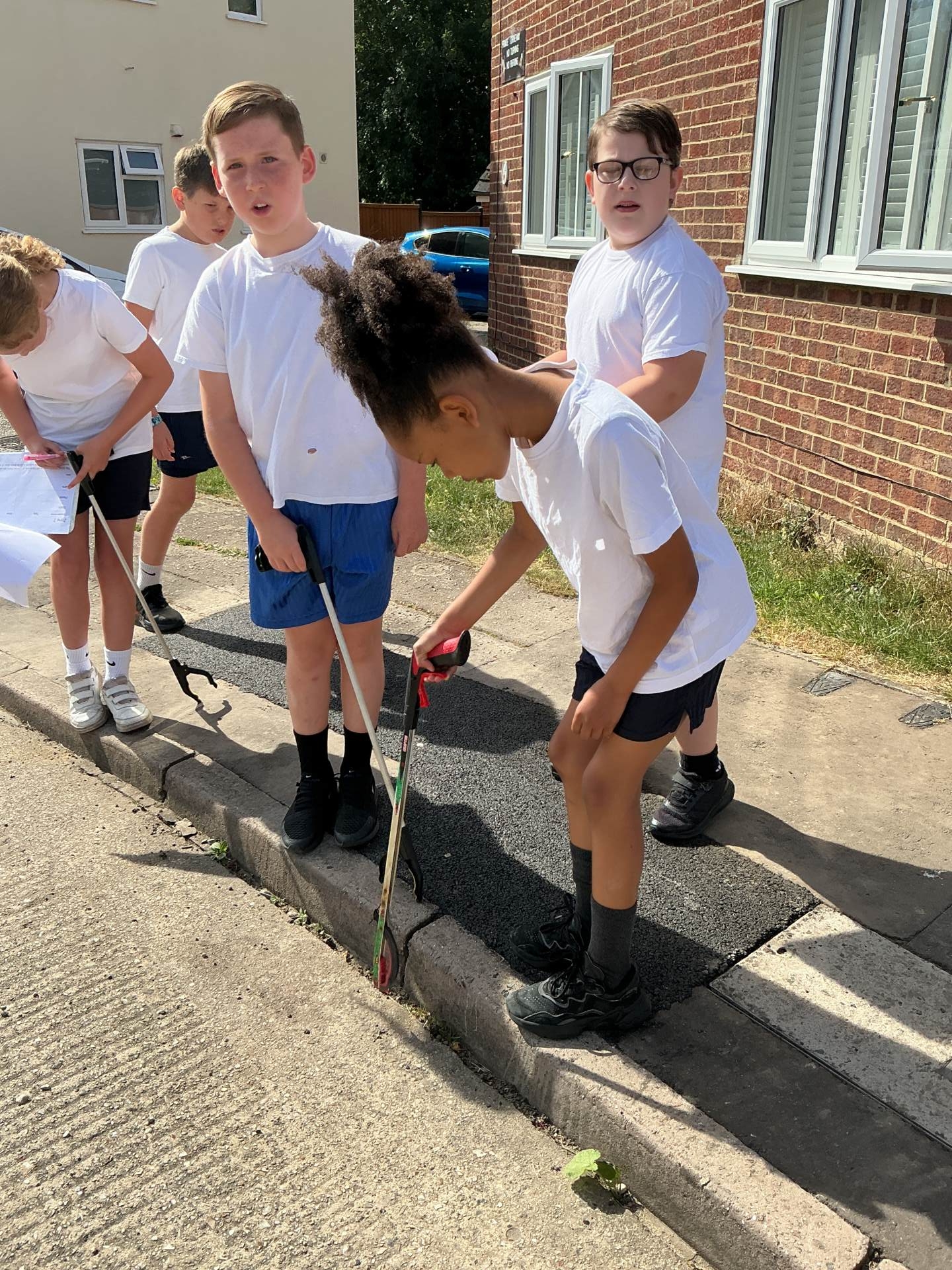
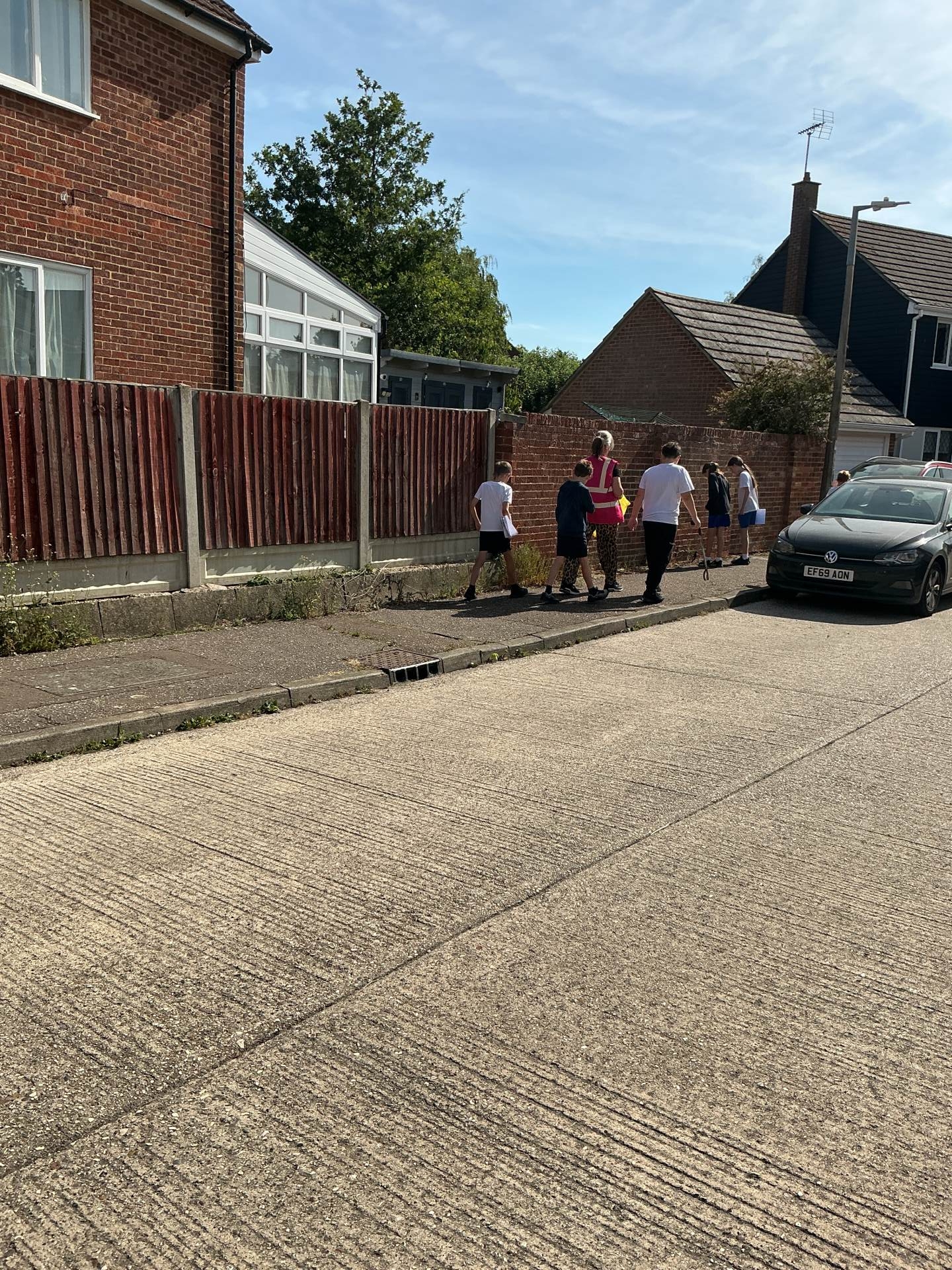
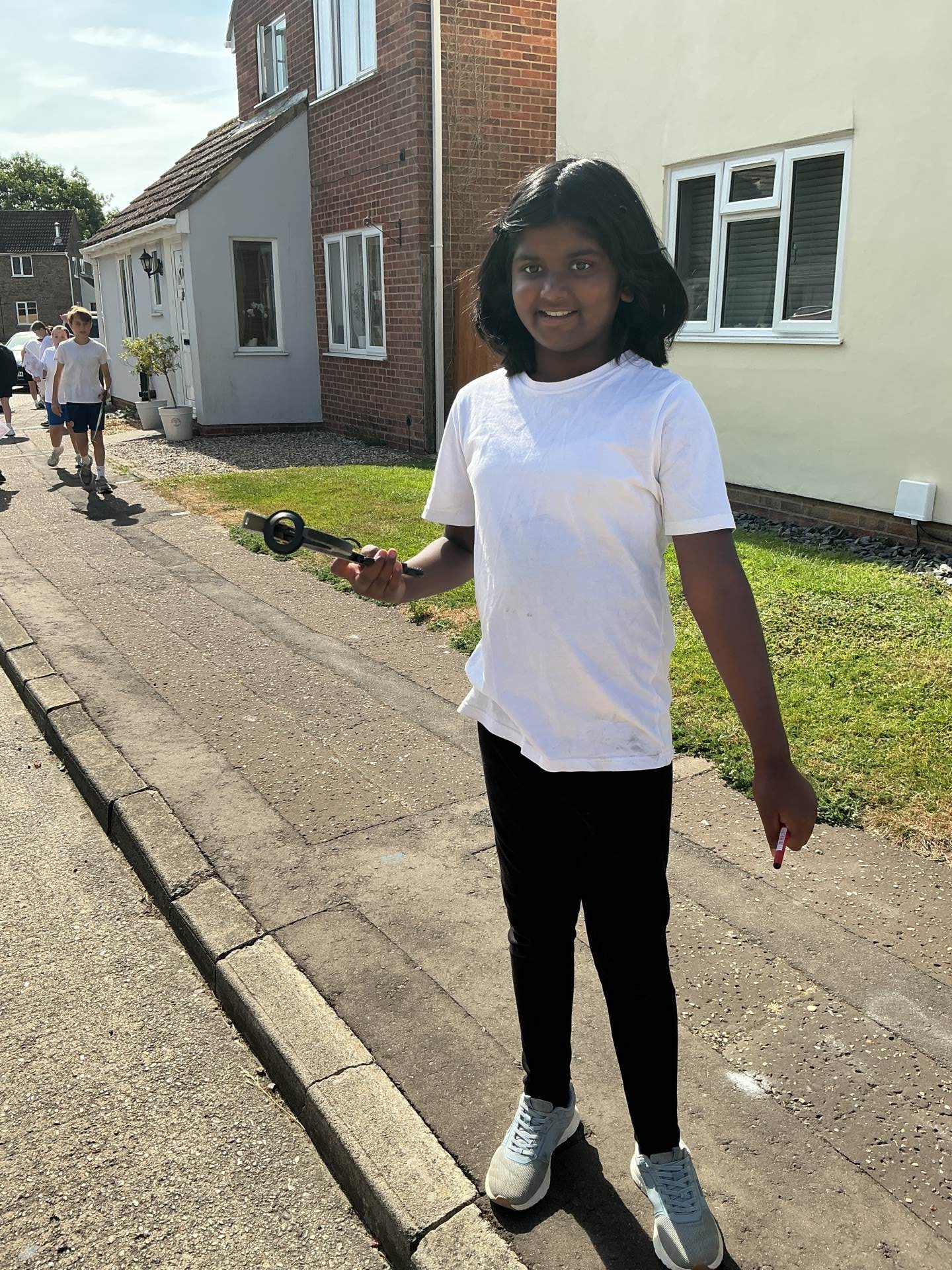
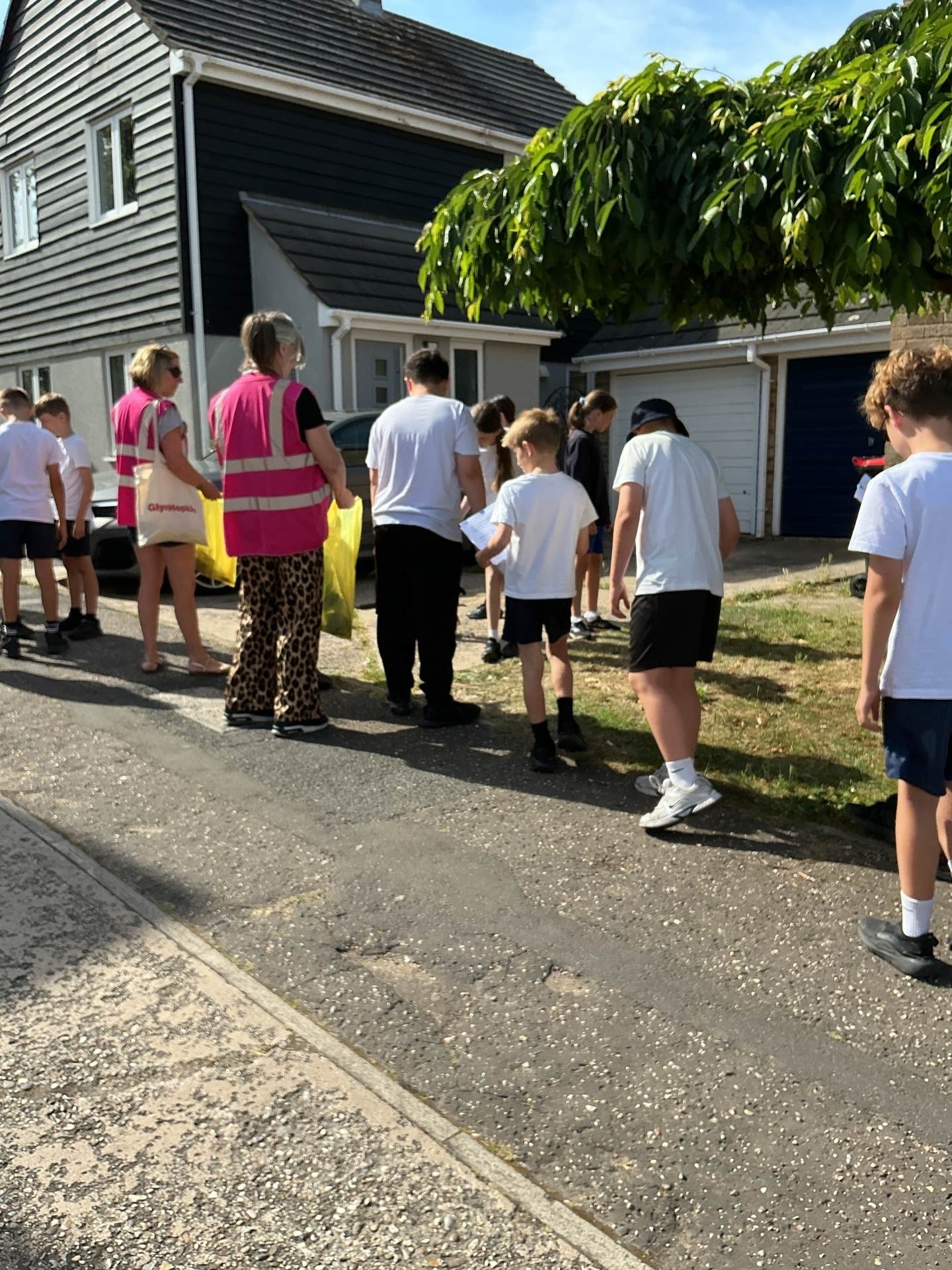
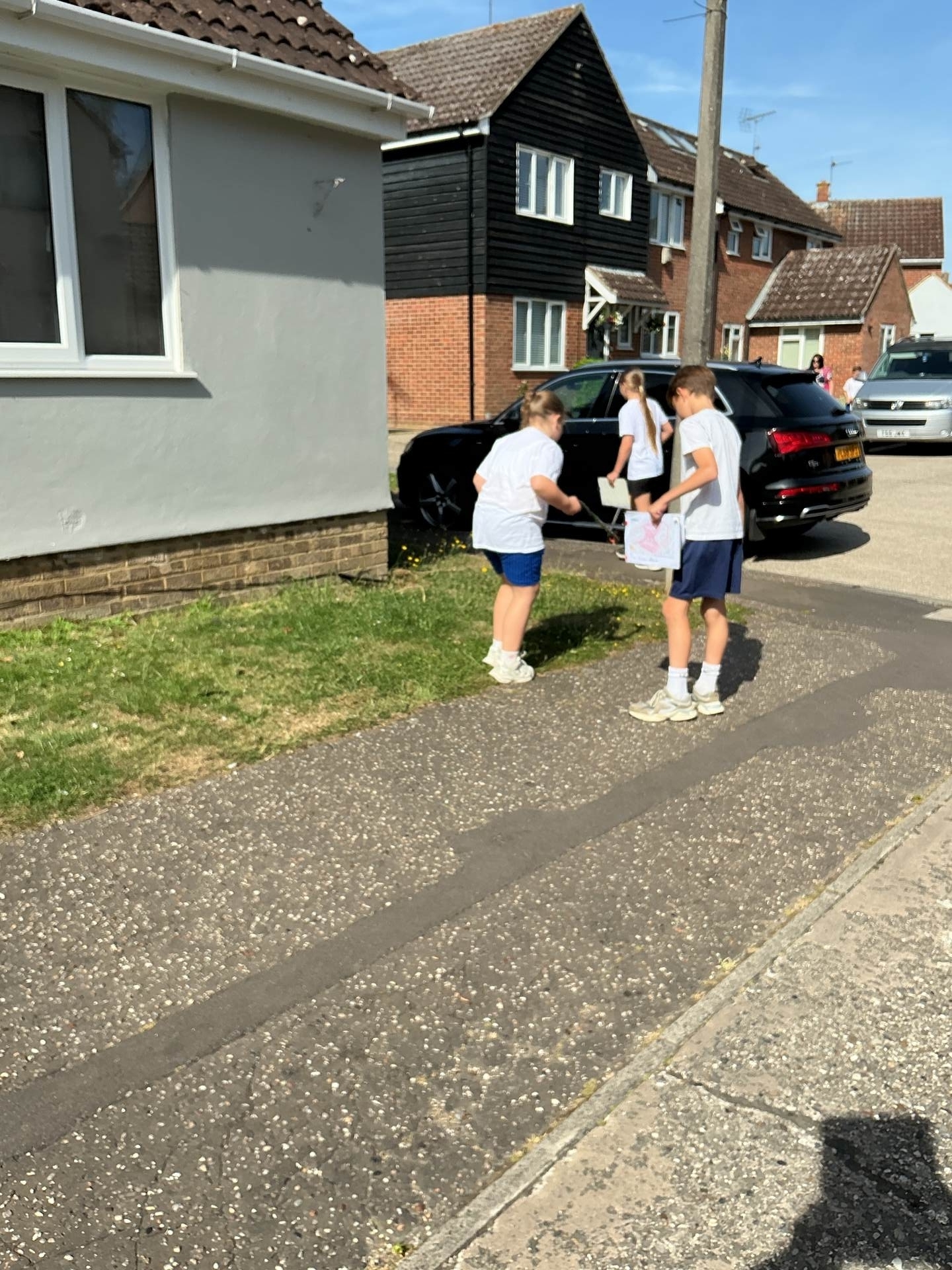
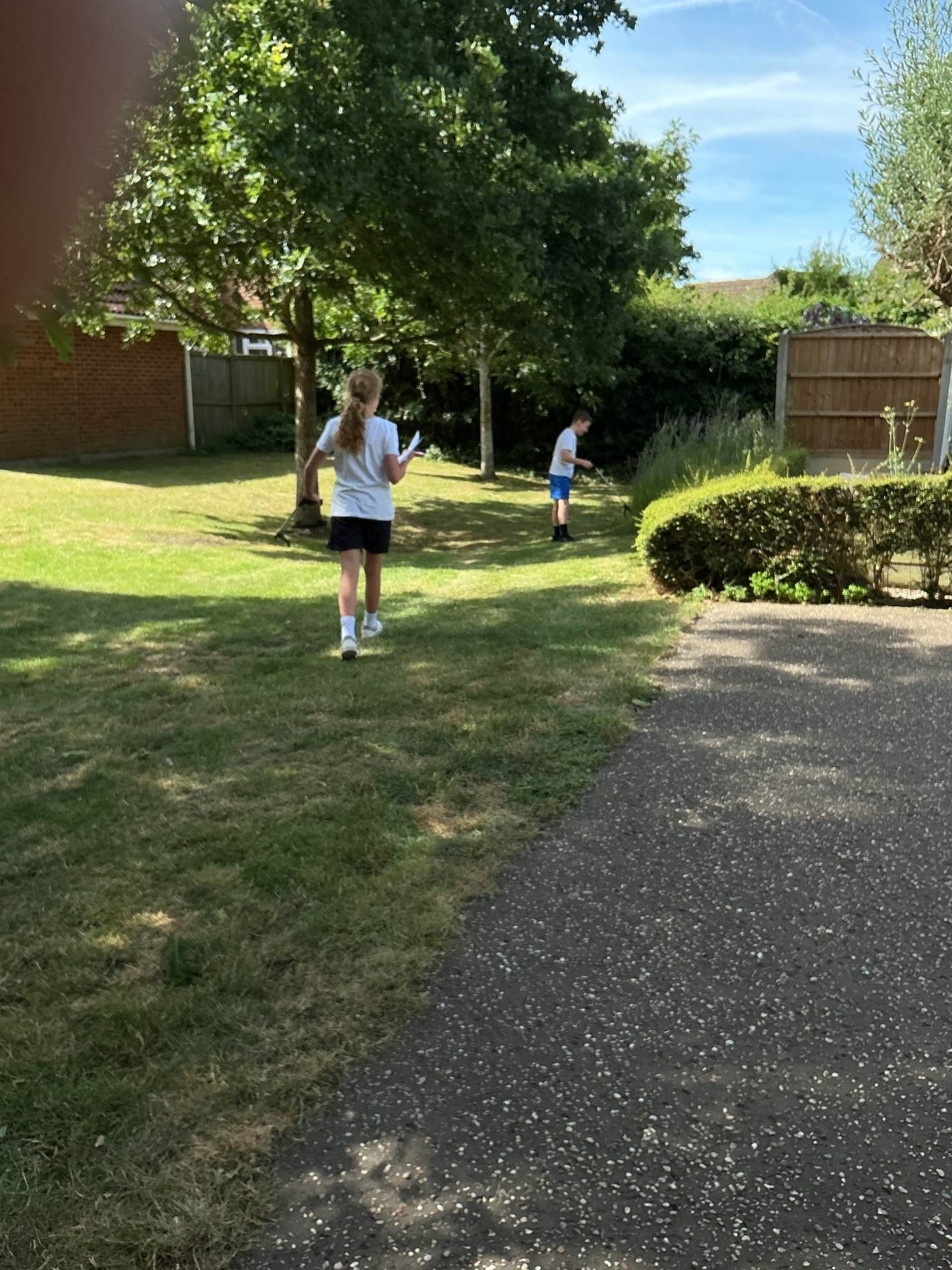
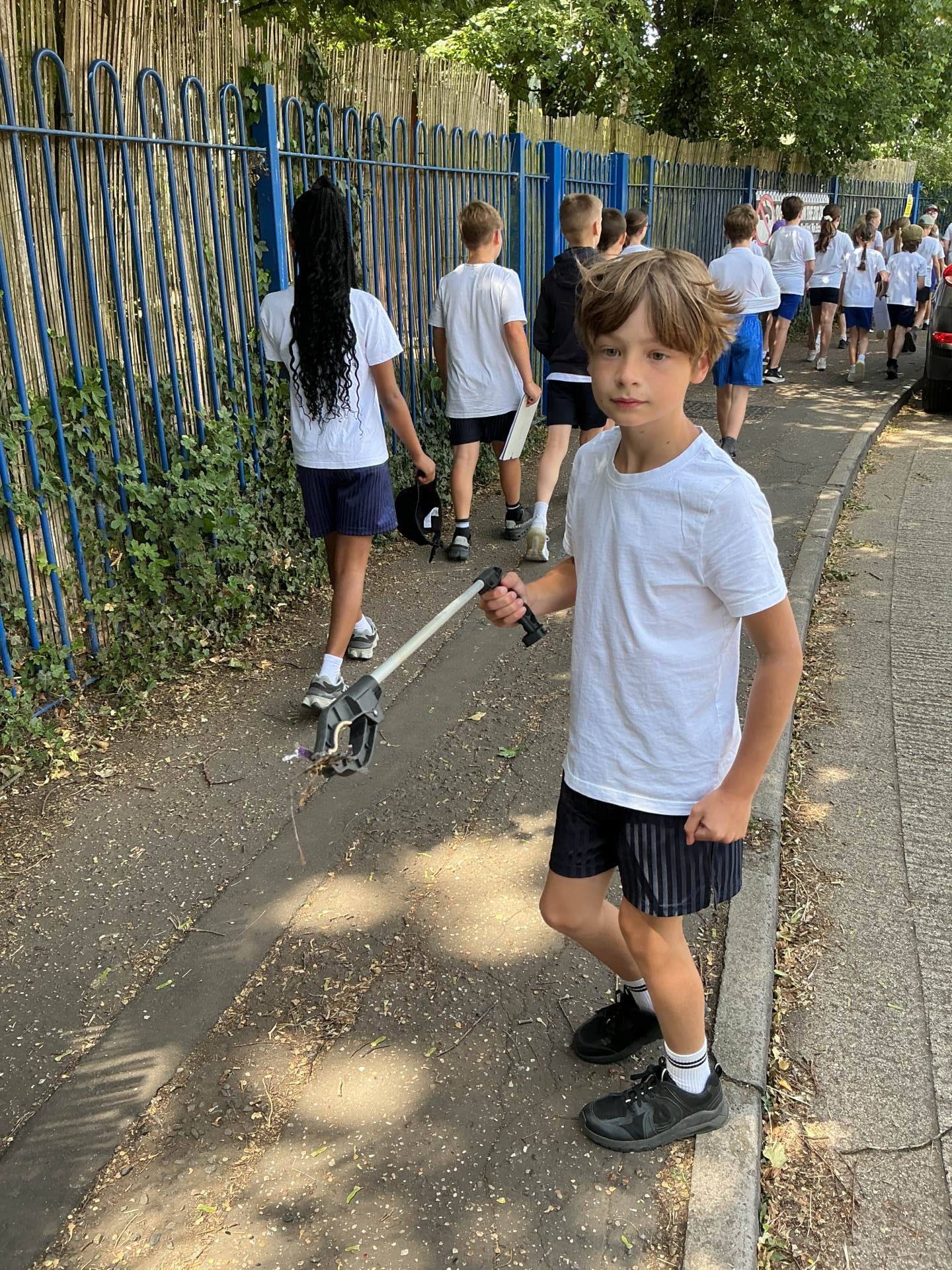
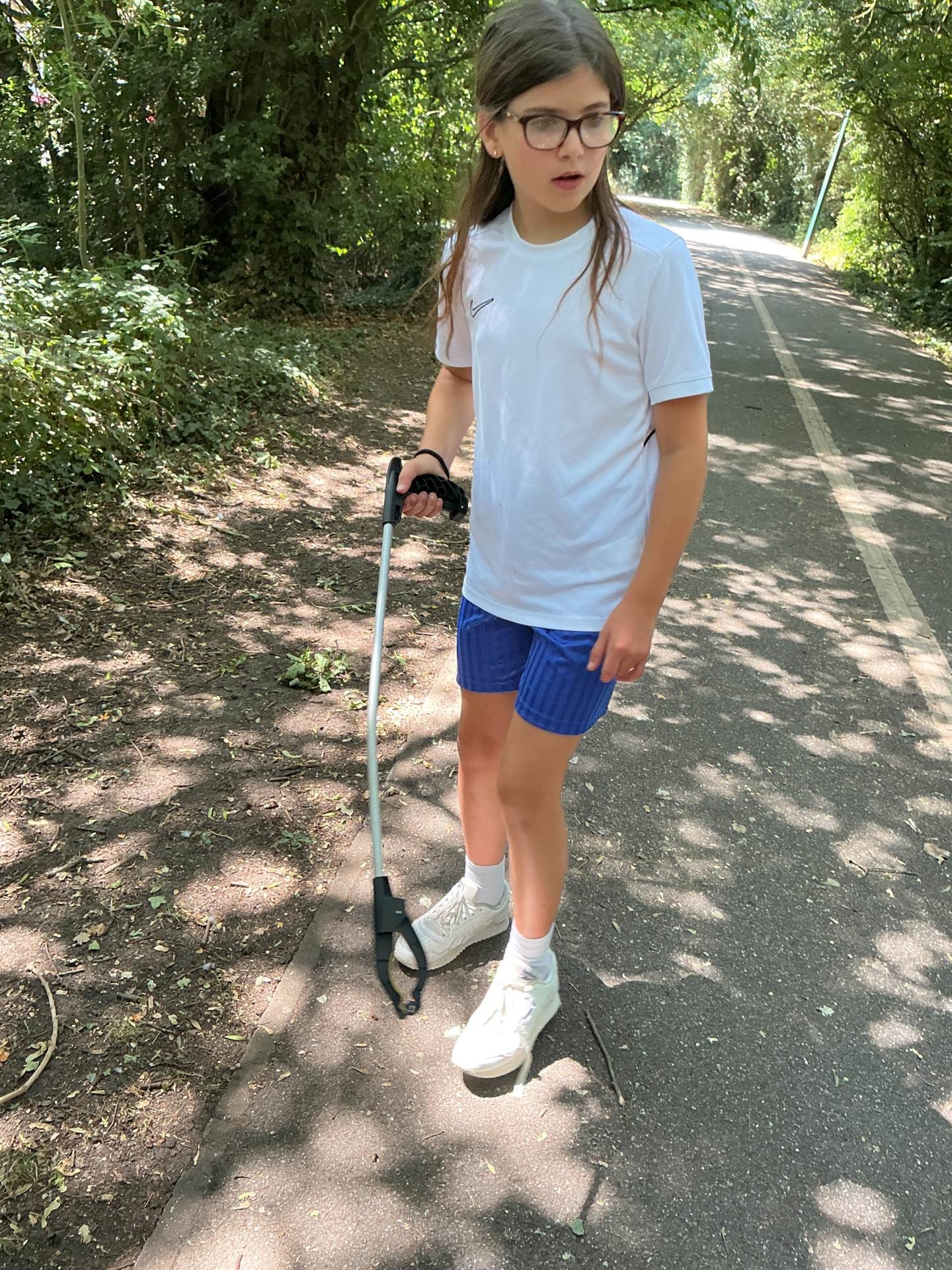
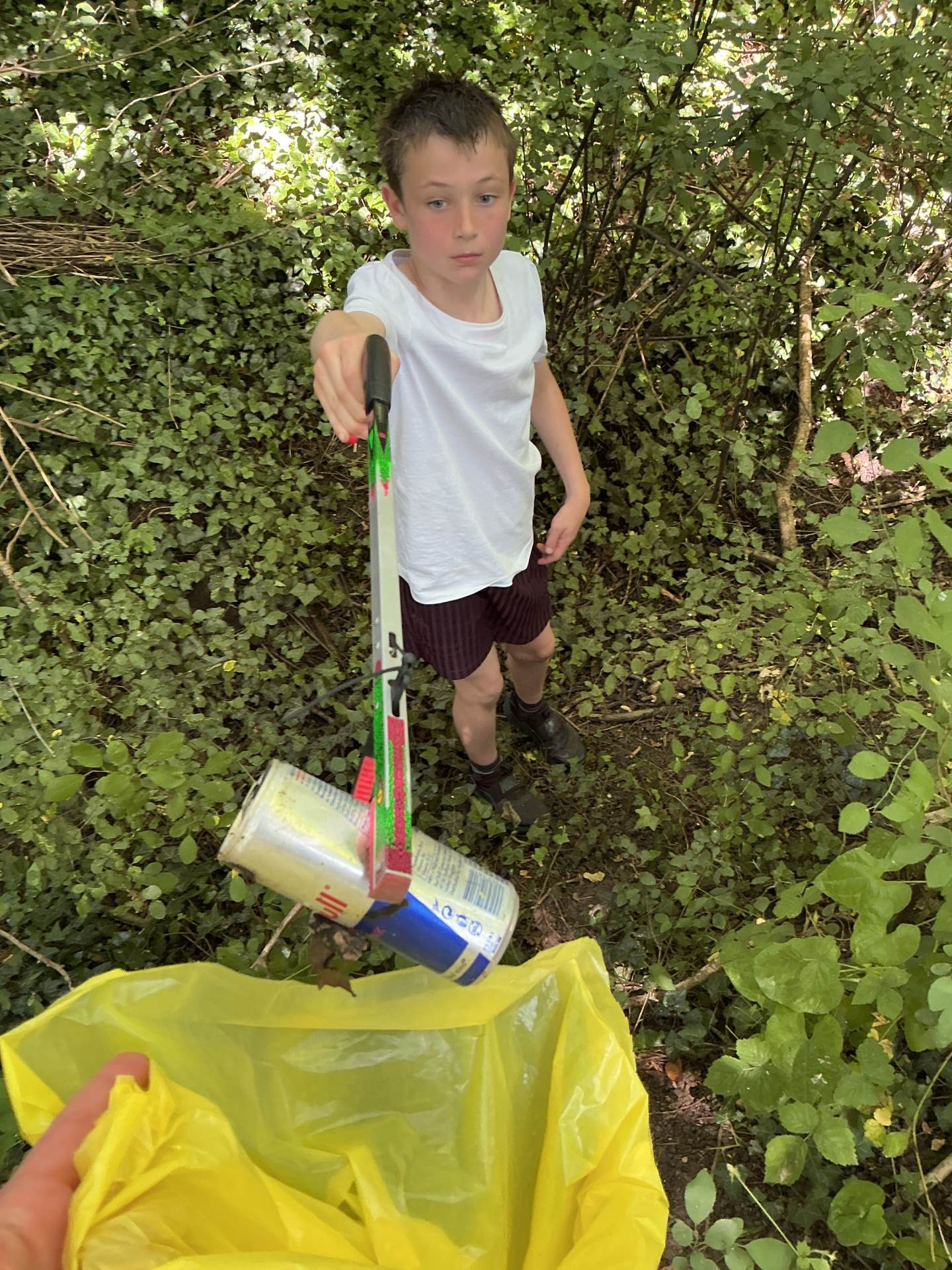
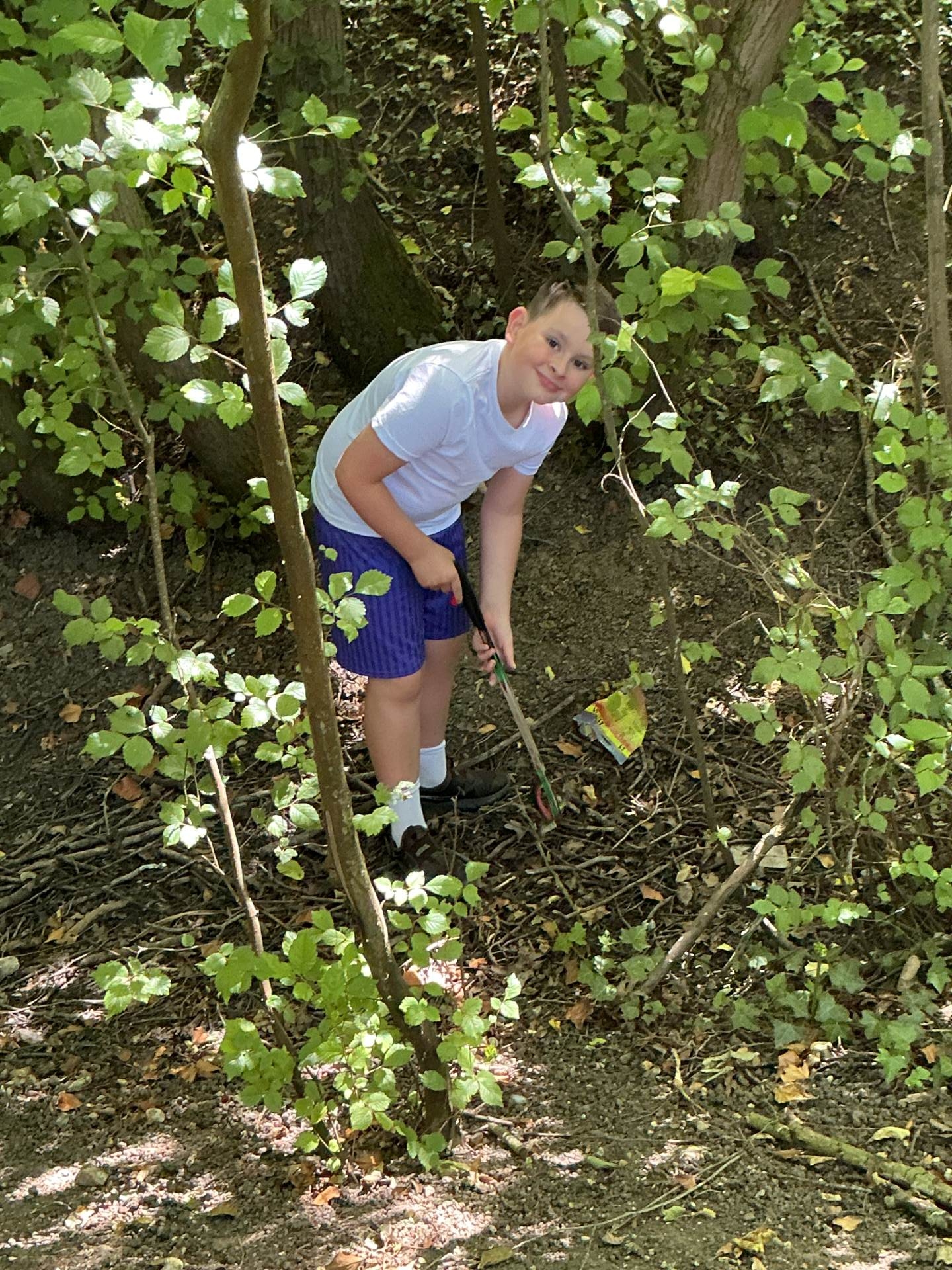
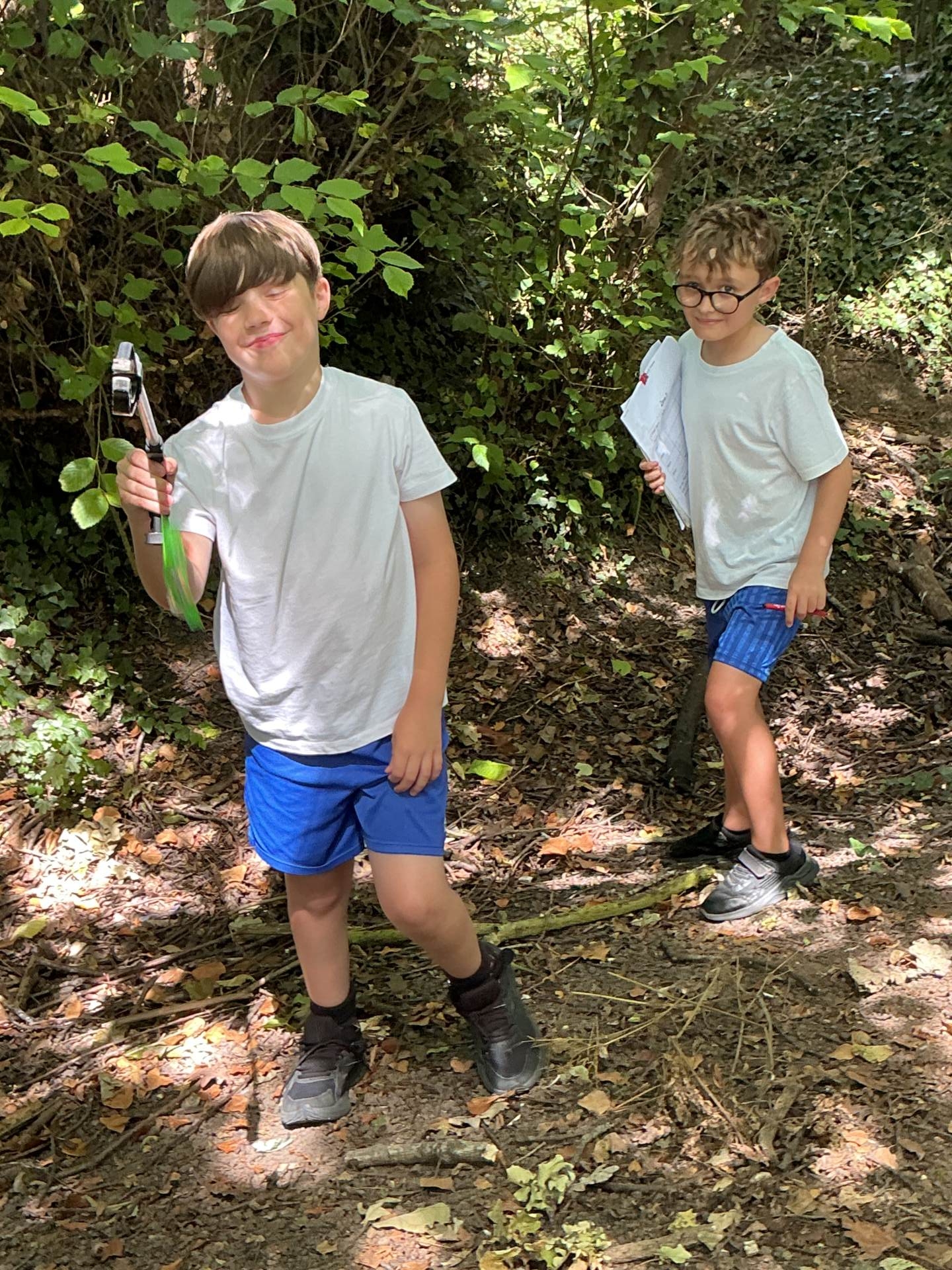
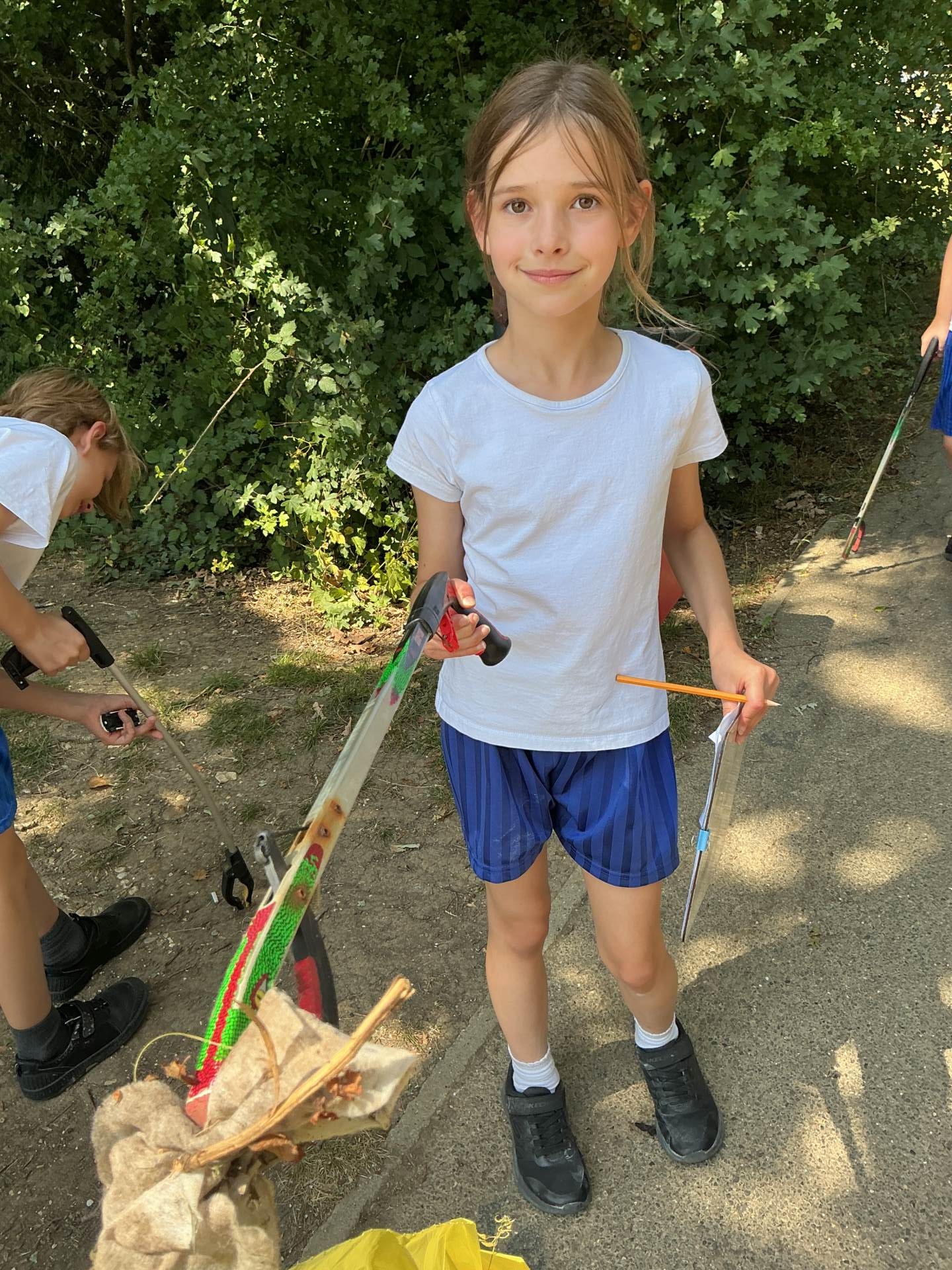
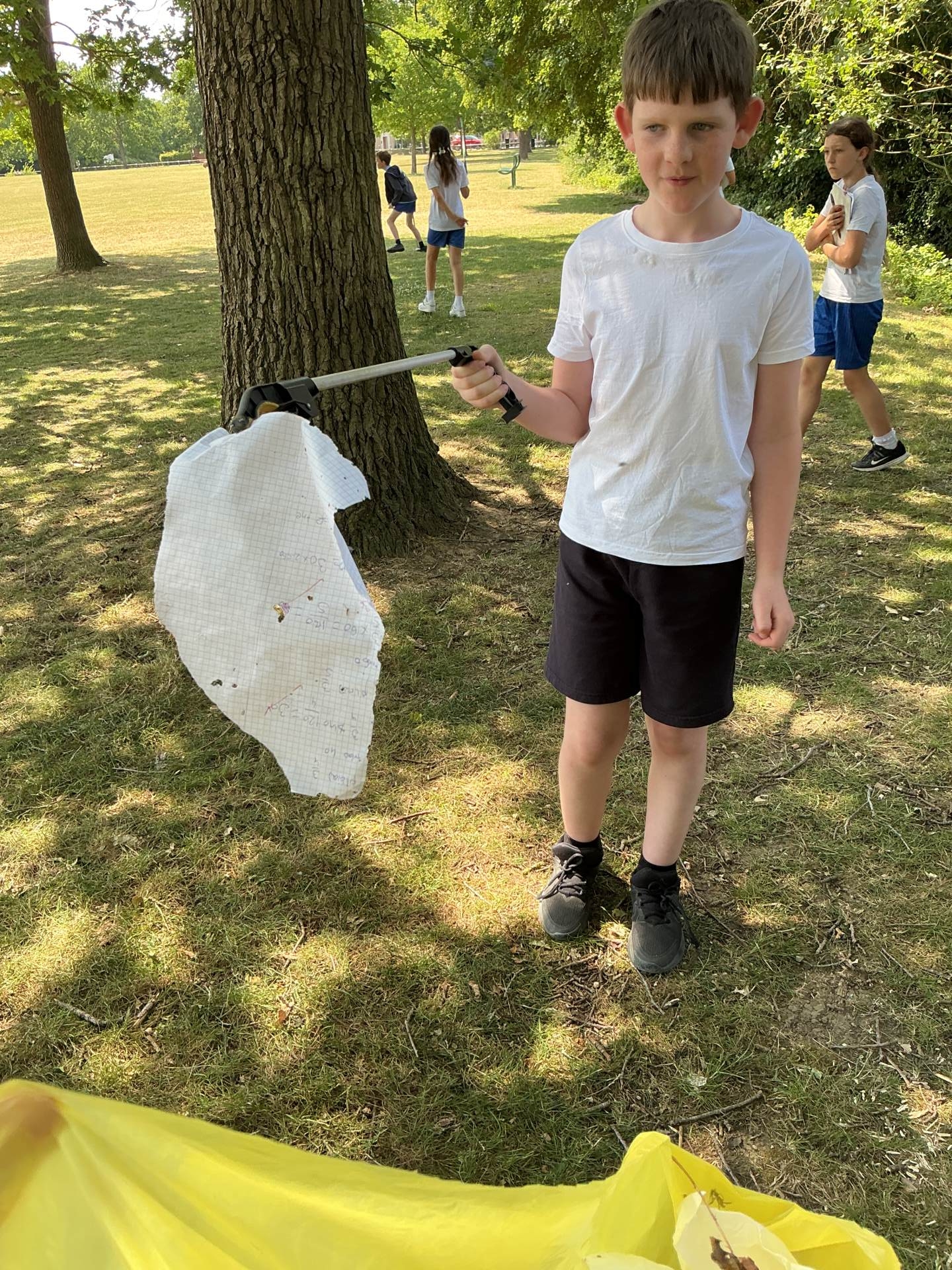
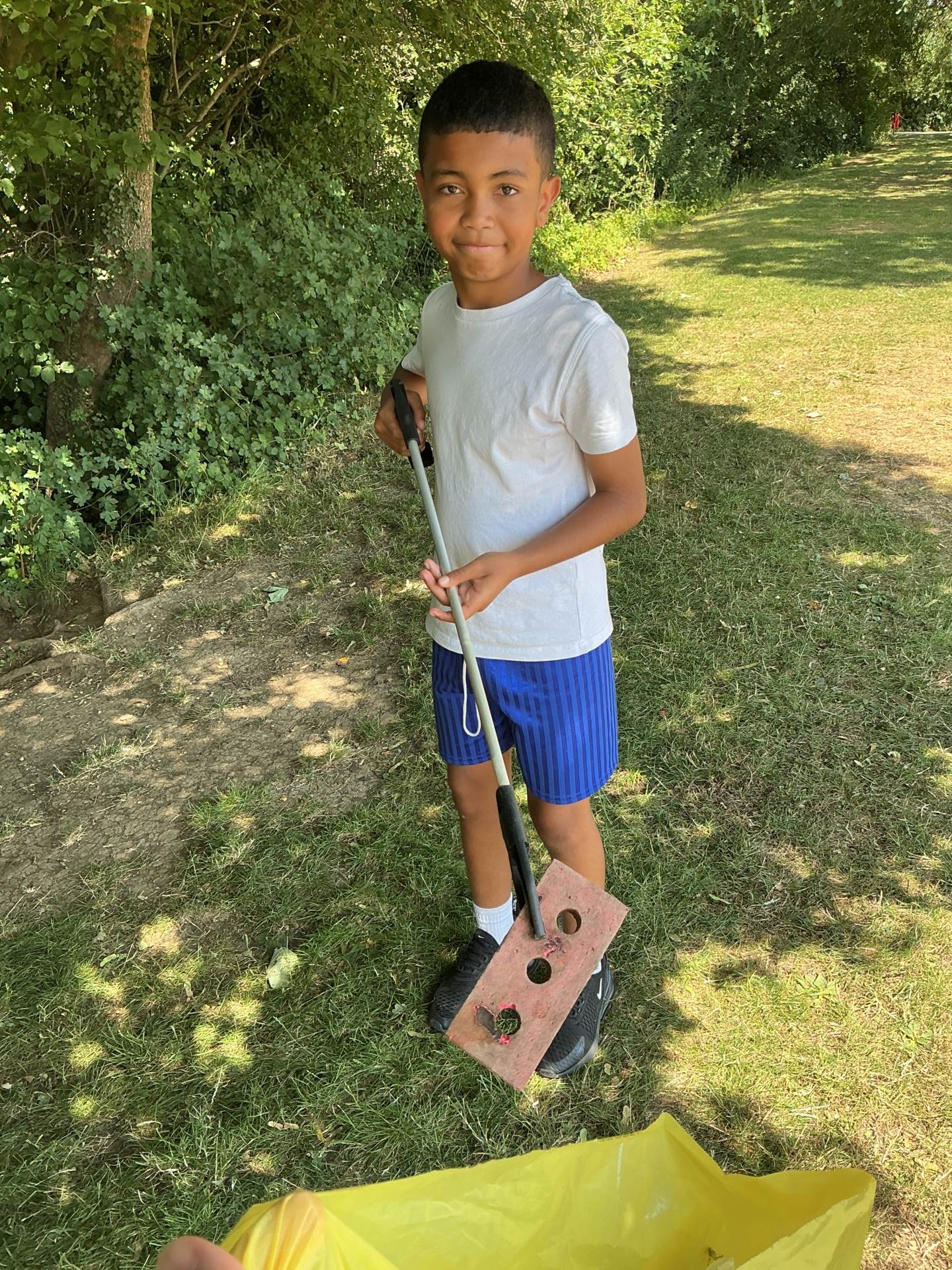
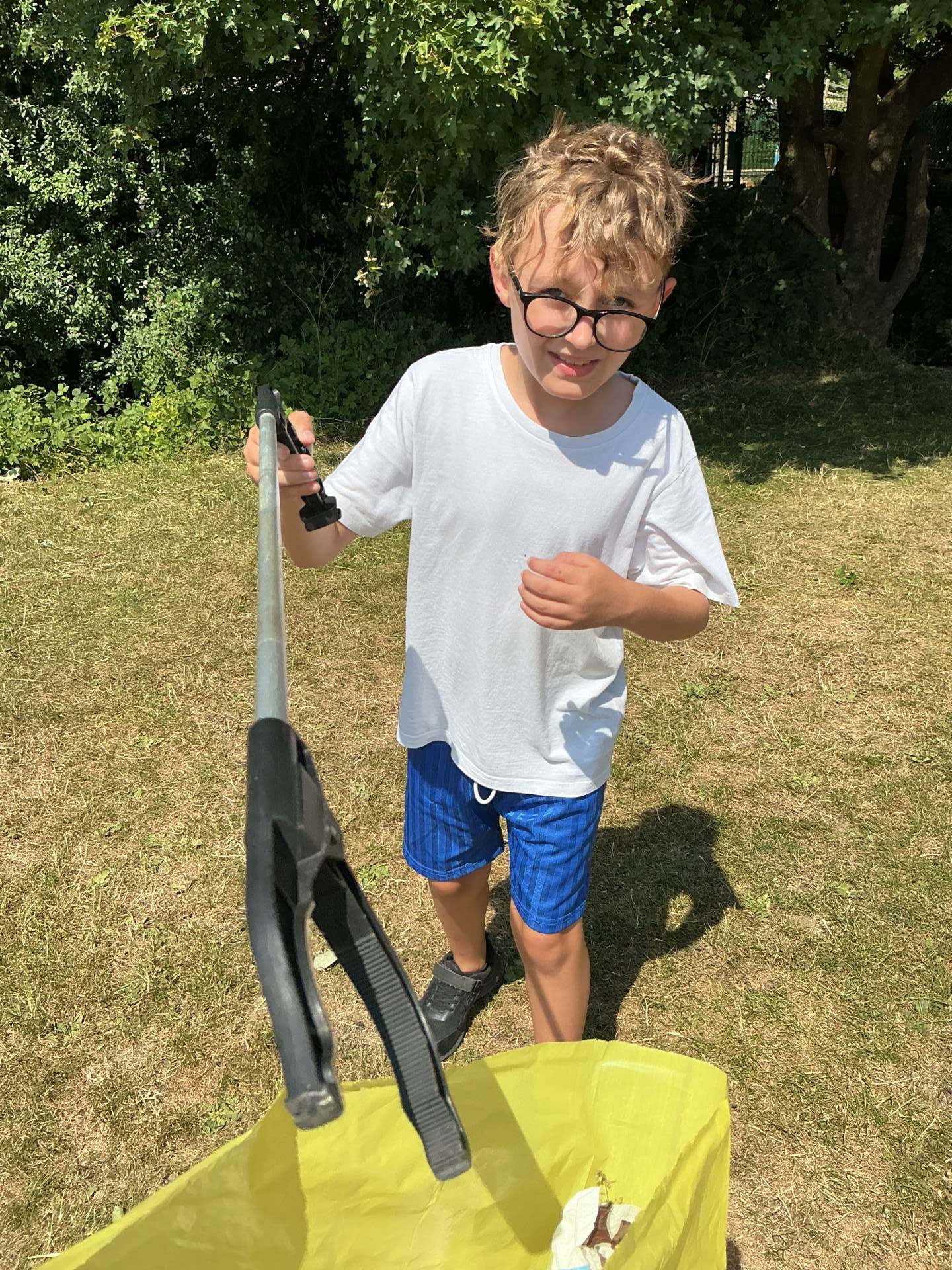
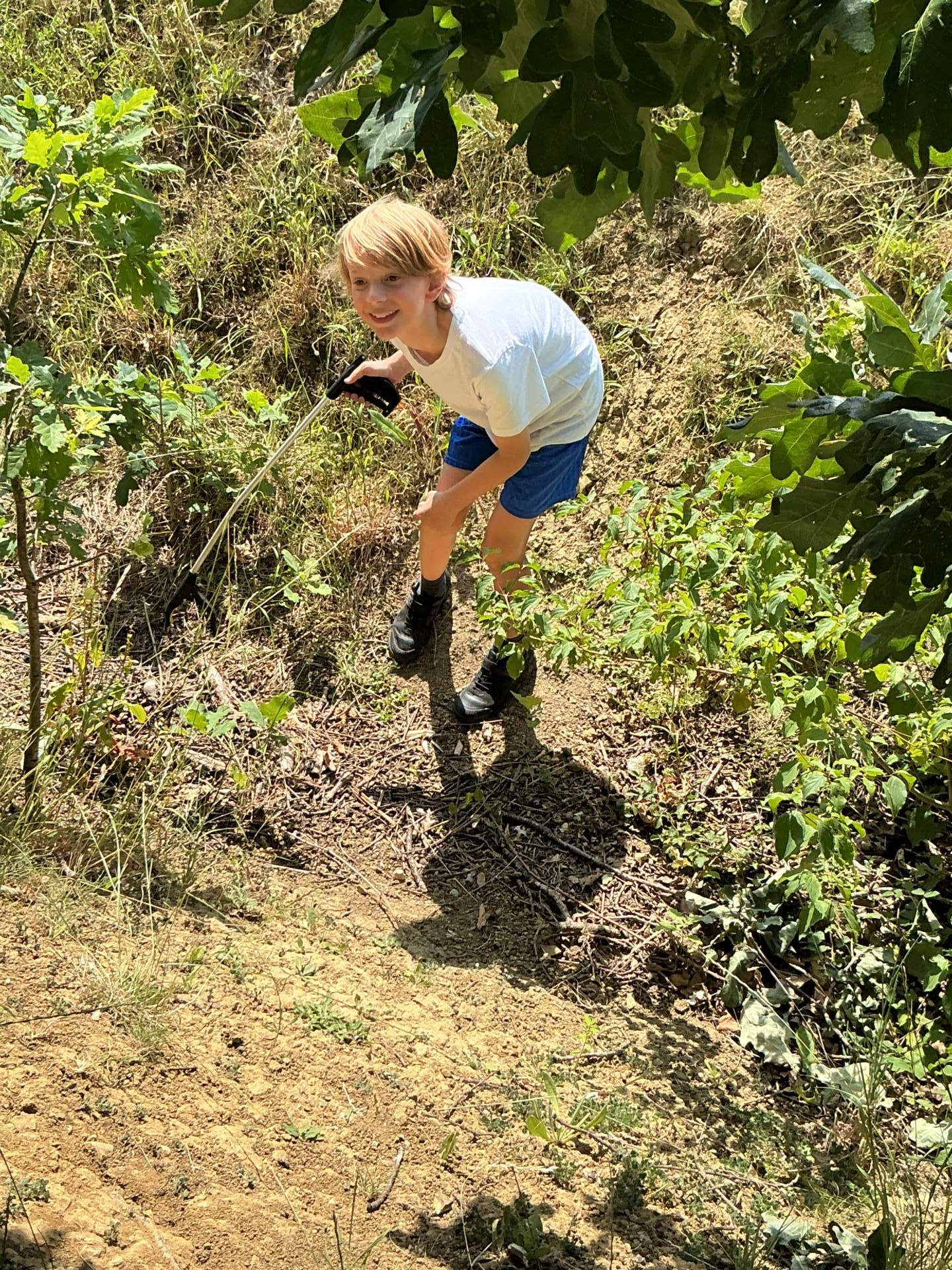
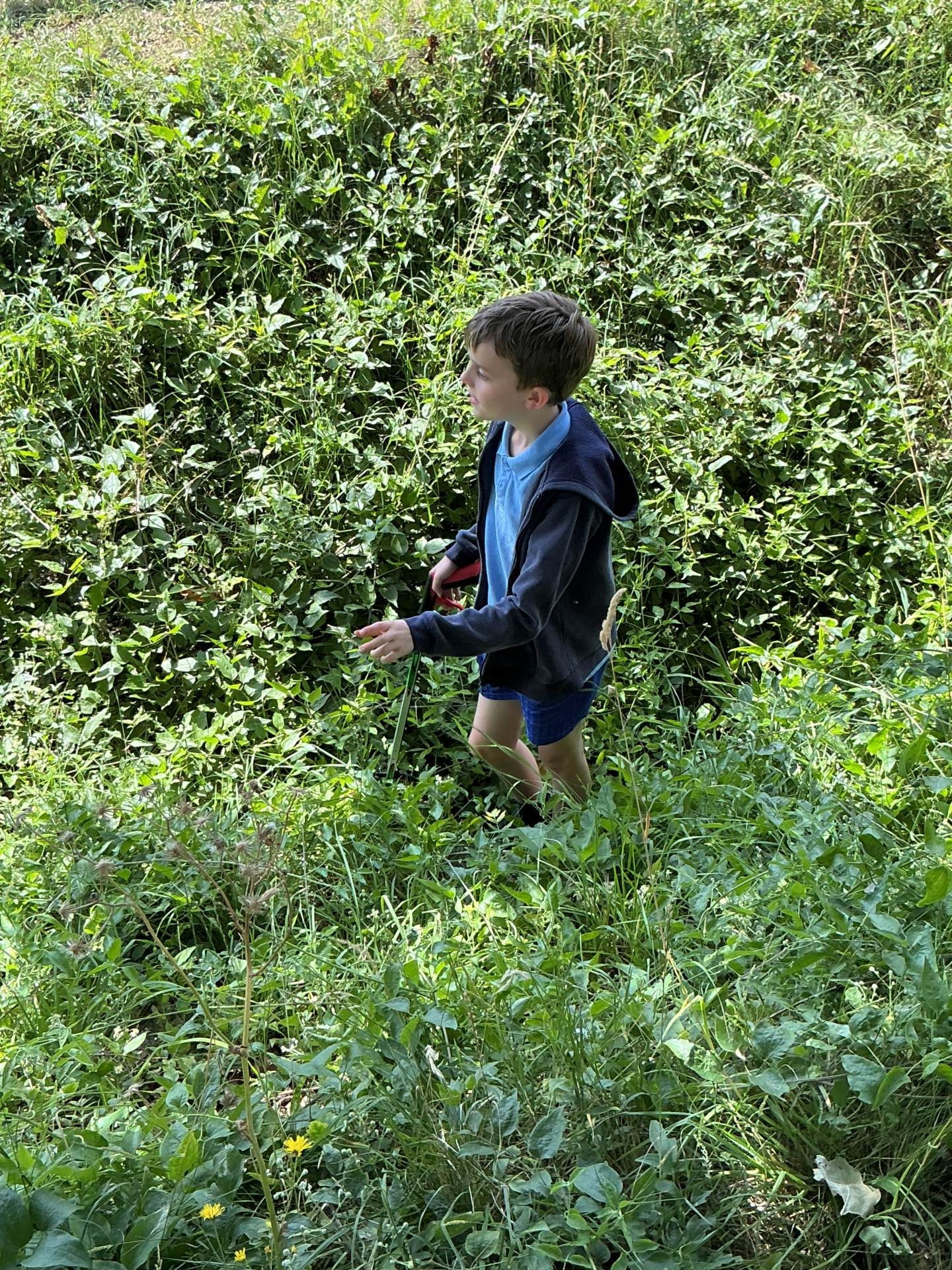
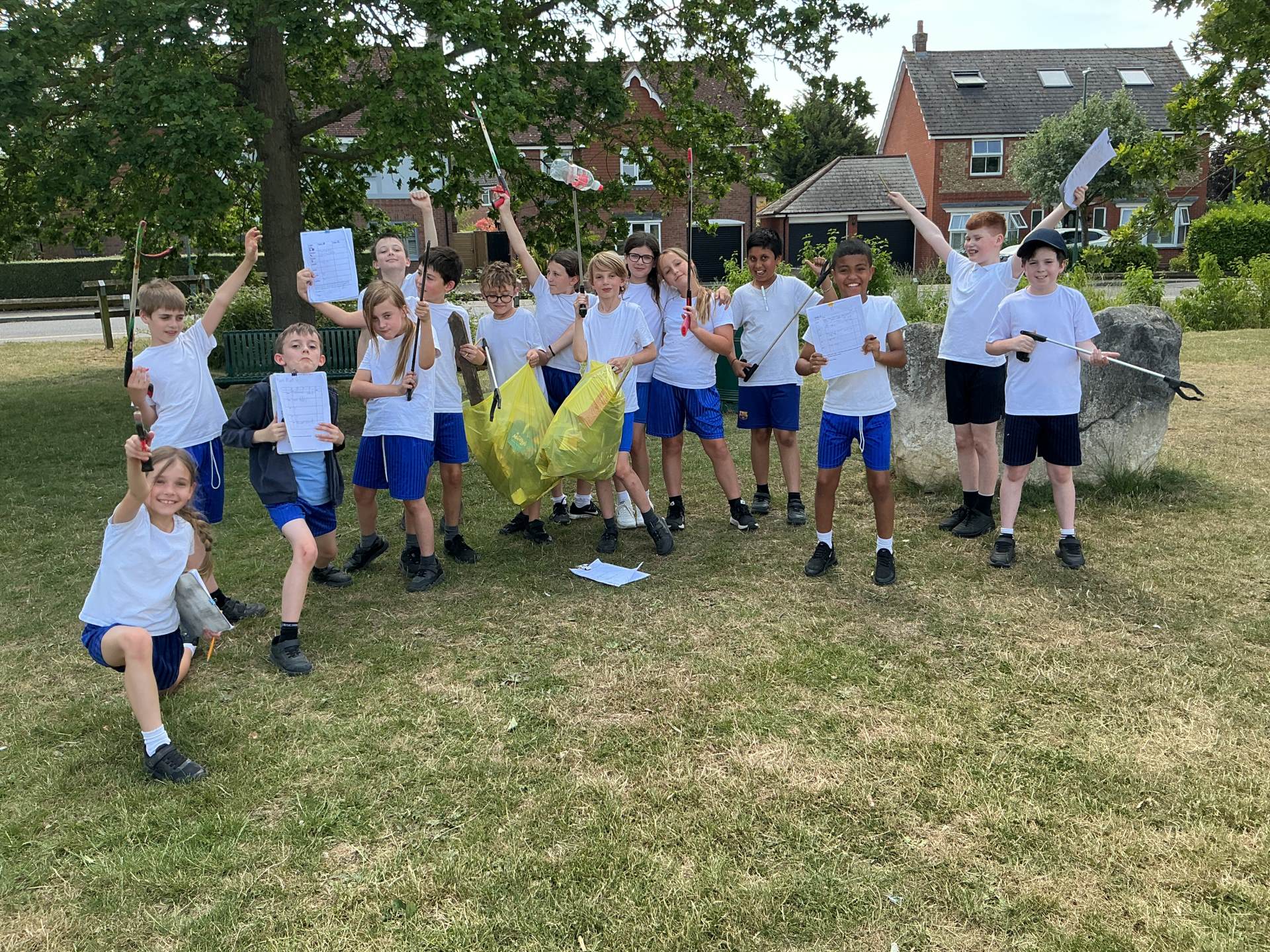
Armed with litter pickers, hotspot maps and tally charts, Year 5 set off to collect data. Everyone was surprised and saddened by the amount of litter found on our local streets. The footpath and ditches behind our school, as well as the area alongside the Prince Louis, contained the greatest amount of litter. The children suggested that litter may be thrown into the ditches because it is less visible or that it is blown there by the wind, making it difficult to retrieve.
A further observation made by the children was that there are not enough litter bins throughout the local area, making it harder for people to dispose of their rubbish responsibly. In contrast, the children investigating Zone 2 (Rydal Way, Ullswater Close and Ennerdale Avenue) collected the least amount of litter. They felt this was because residents take pride in the streets where they live and are more likely to pick up litter if they see it near their homes.
Paper was the most common type of litter collected, although large numbers of cigarette butts, bottles and cans were also found. This valuable fieldwork helped the children develop their geographical enquiry skills while encouraging them to think carefully about the impact of littering on our local environment. It also inspired thoughtful discussions about how small actions, such as providing more litter bins and taking pride in our community, can make a positive difference in keeping our environment clean.
Litter picking
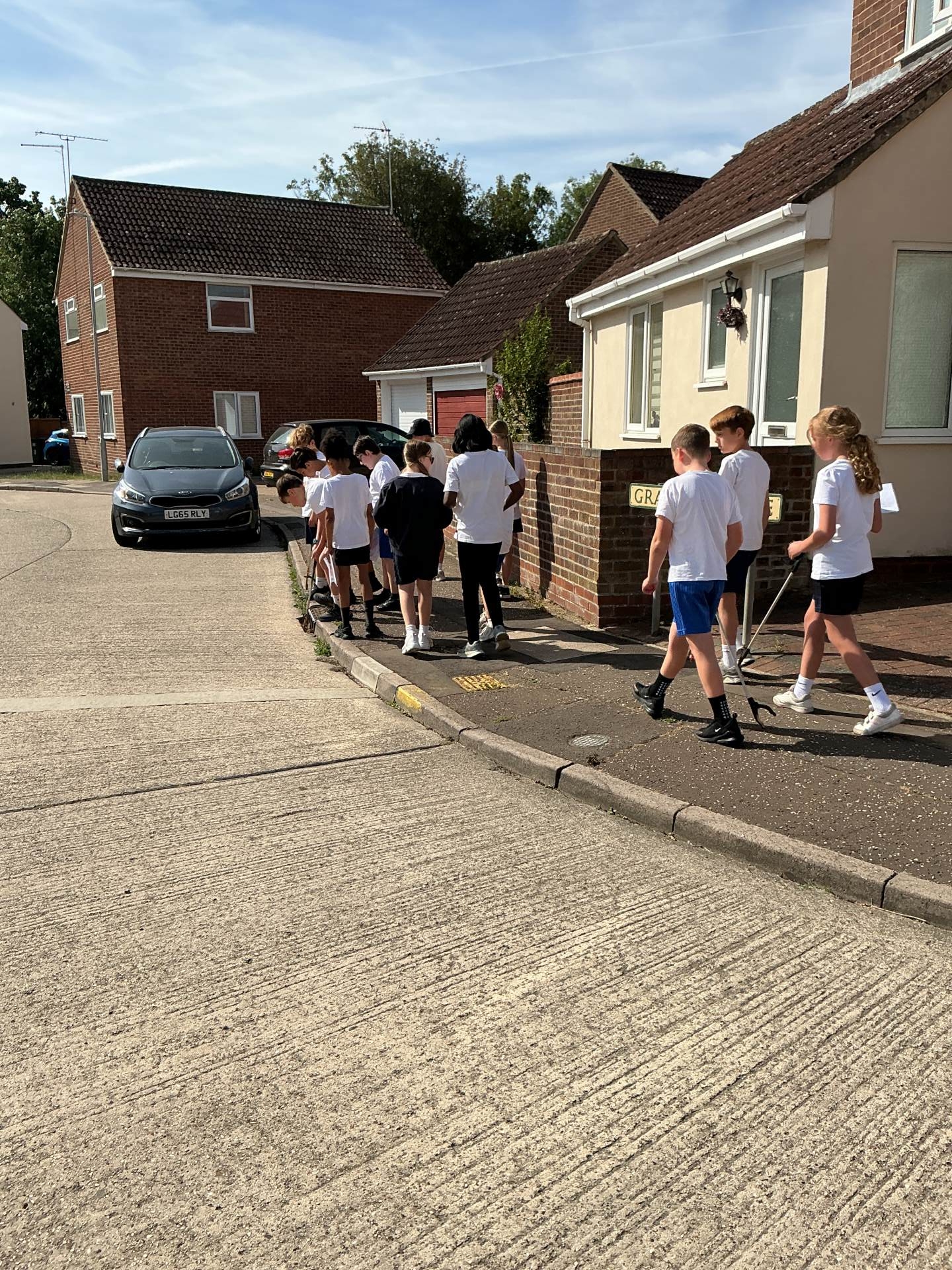
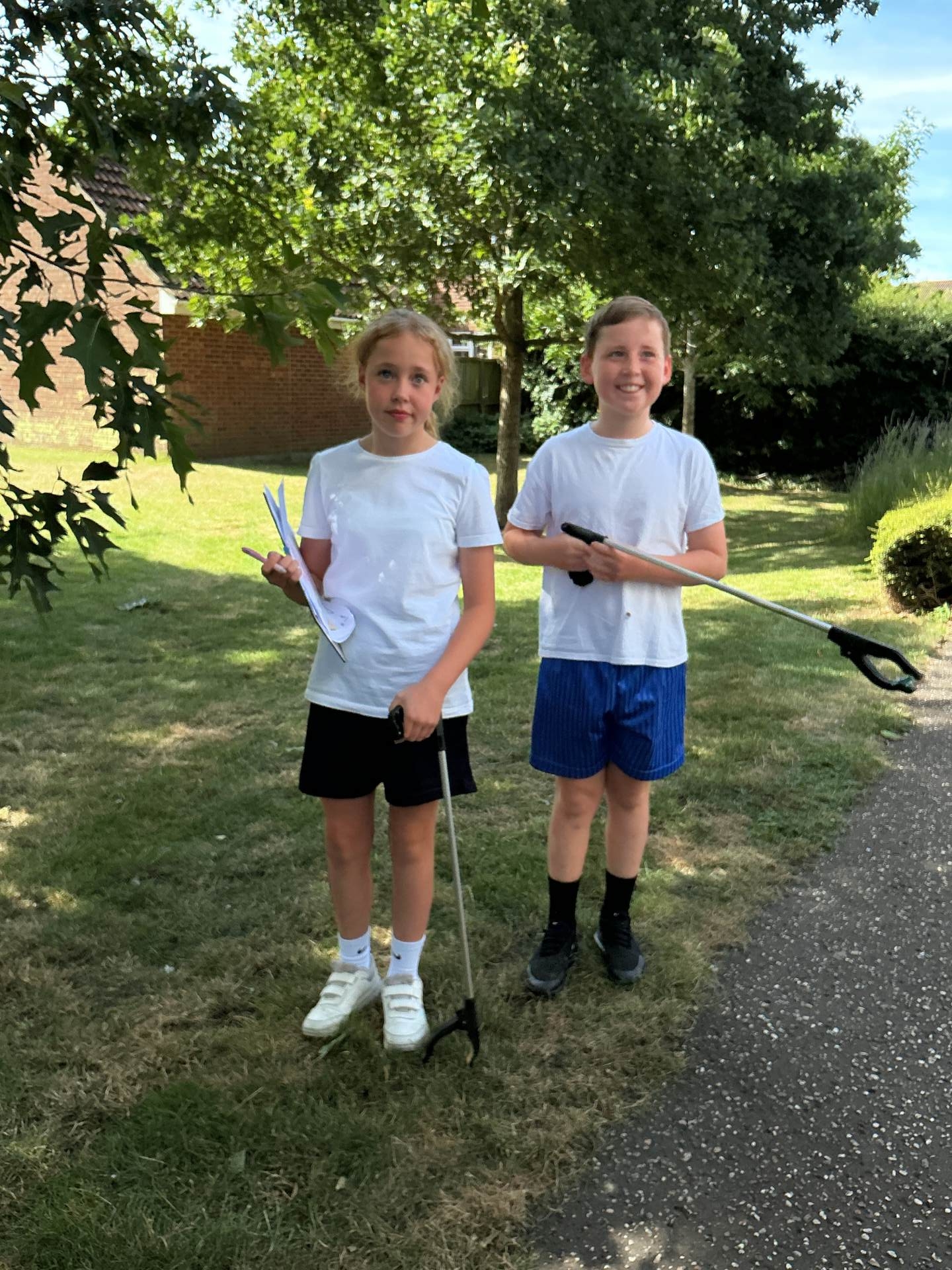
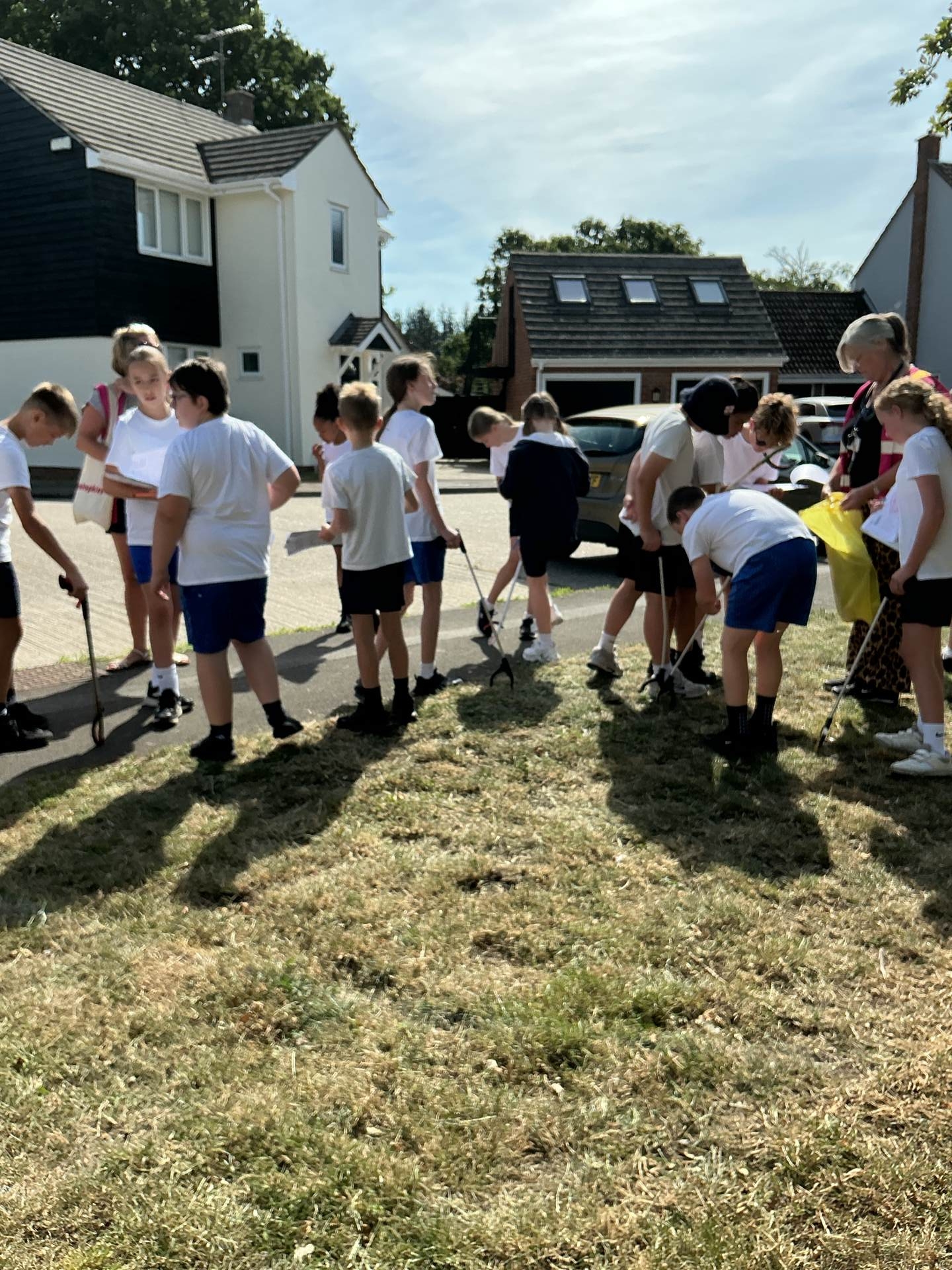
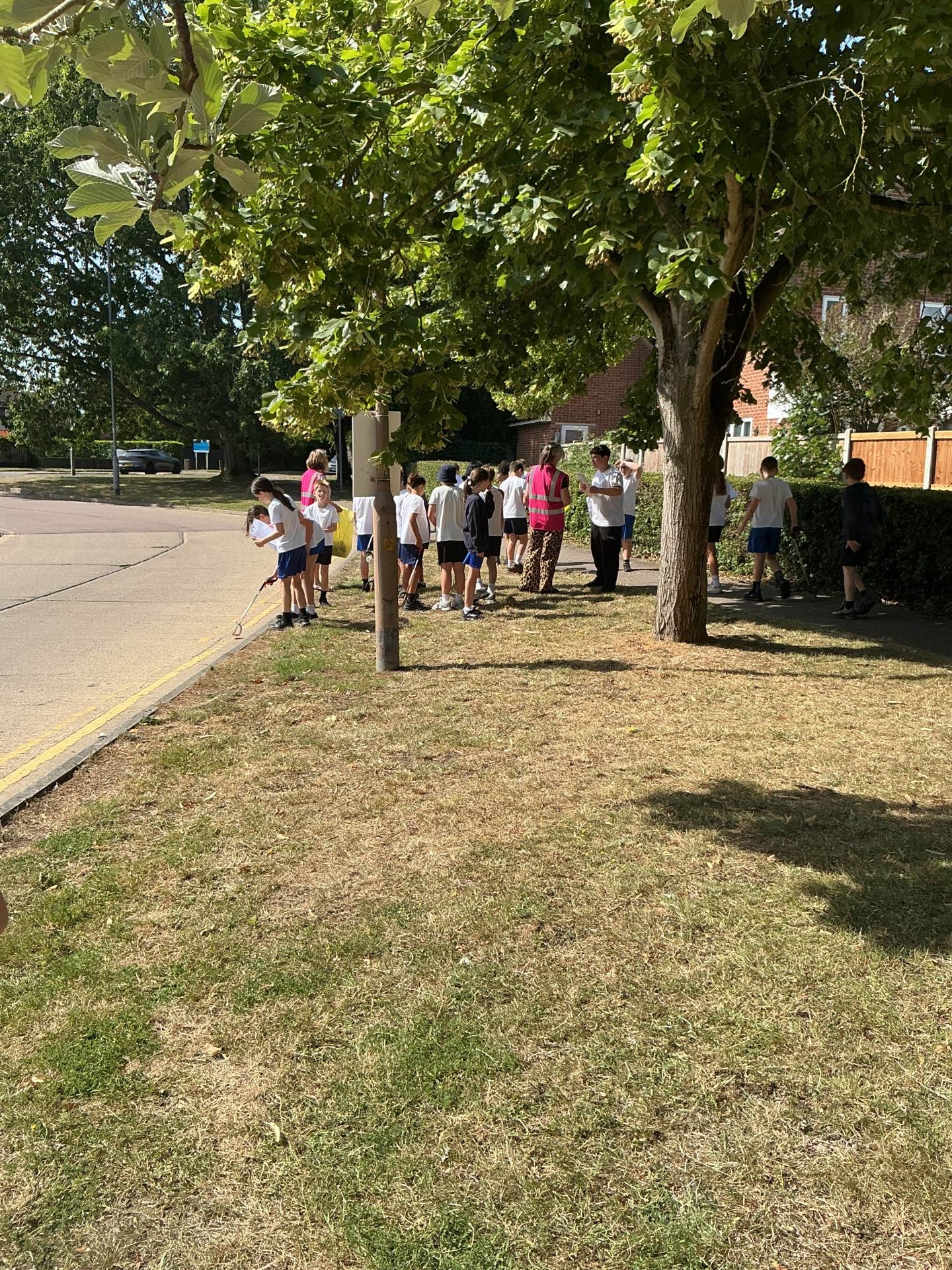
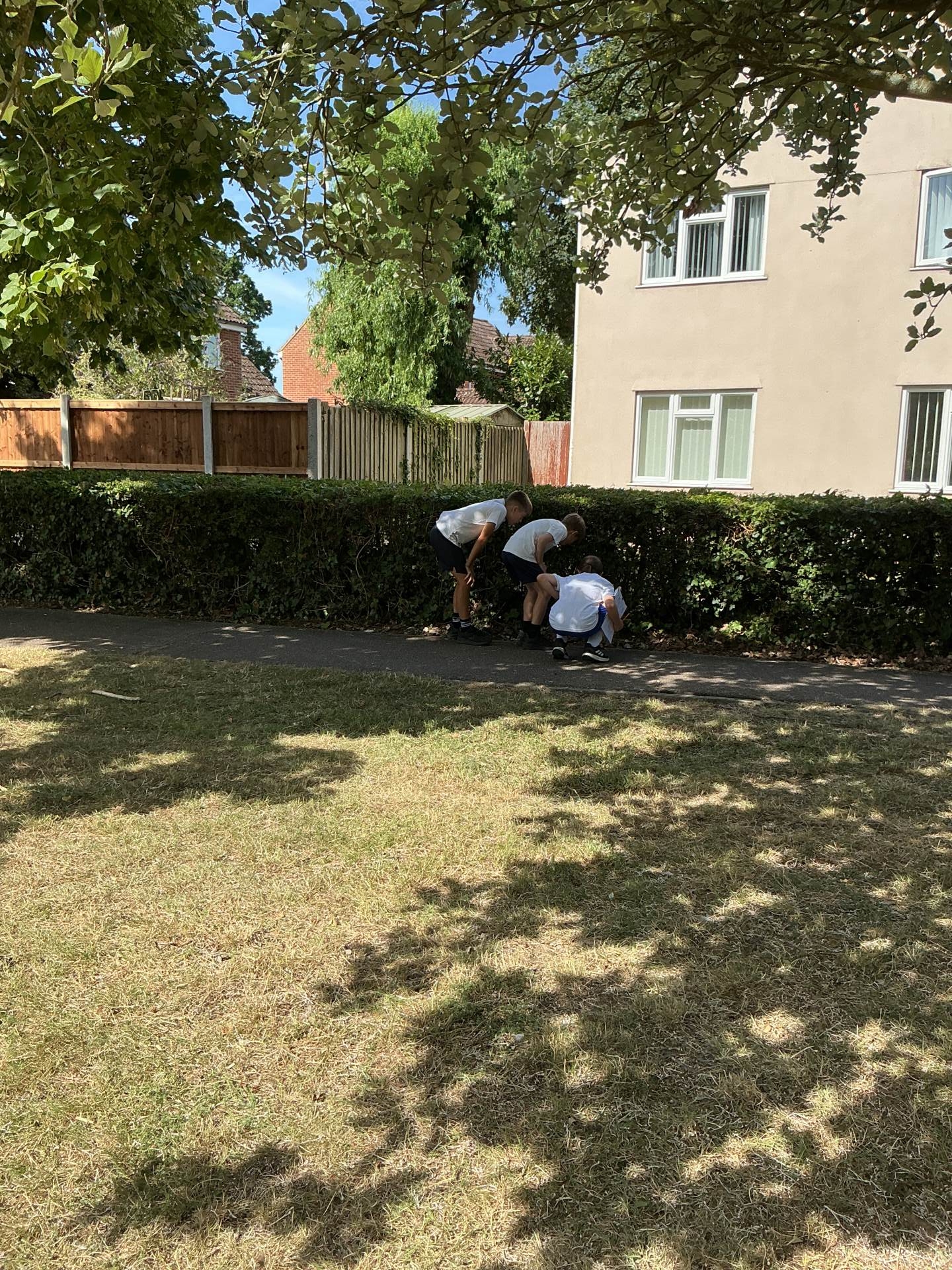
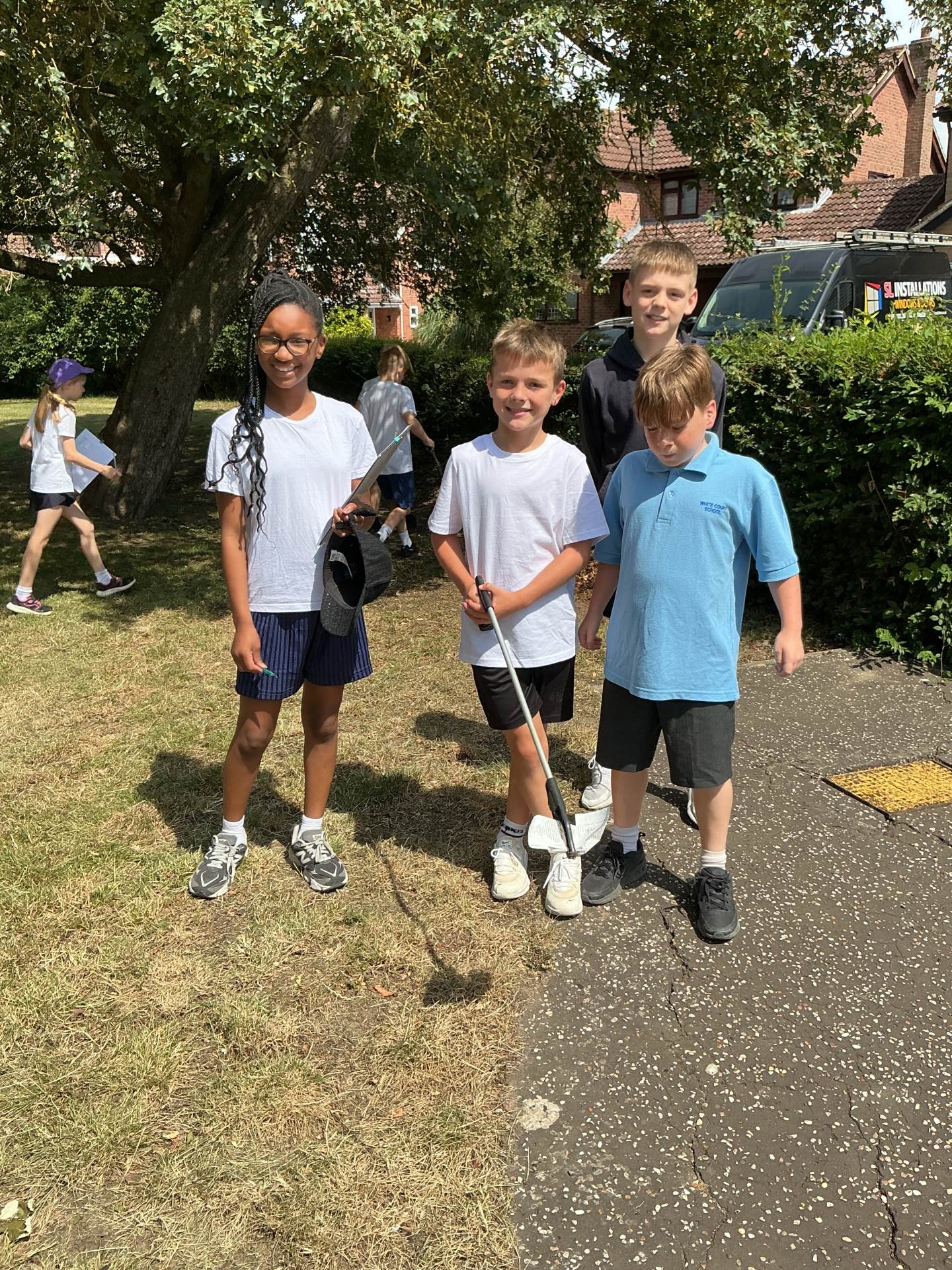
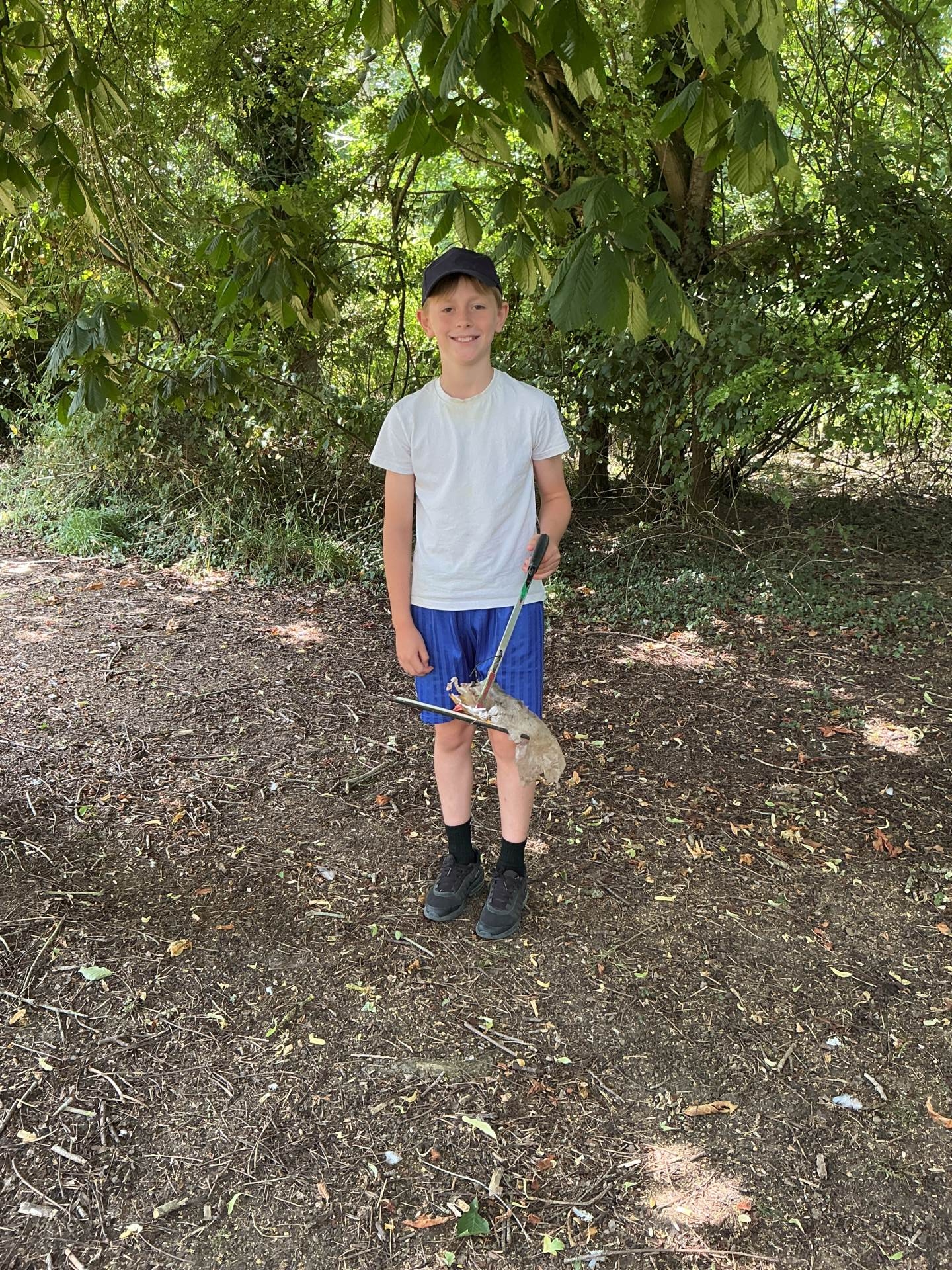
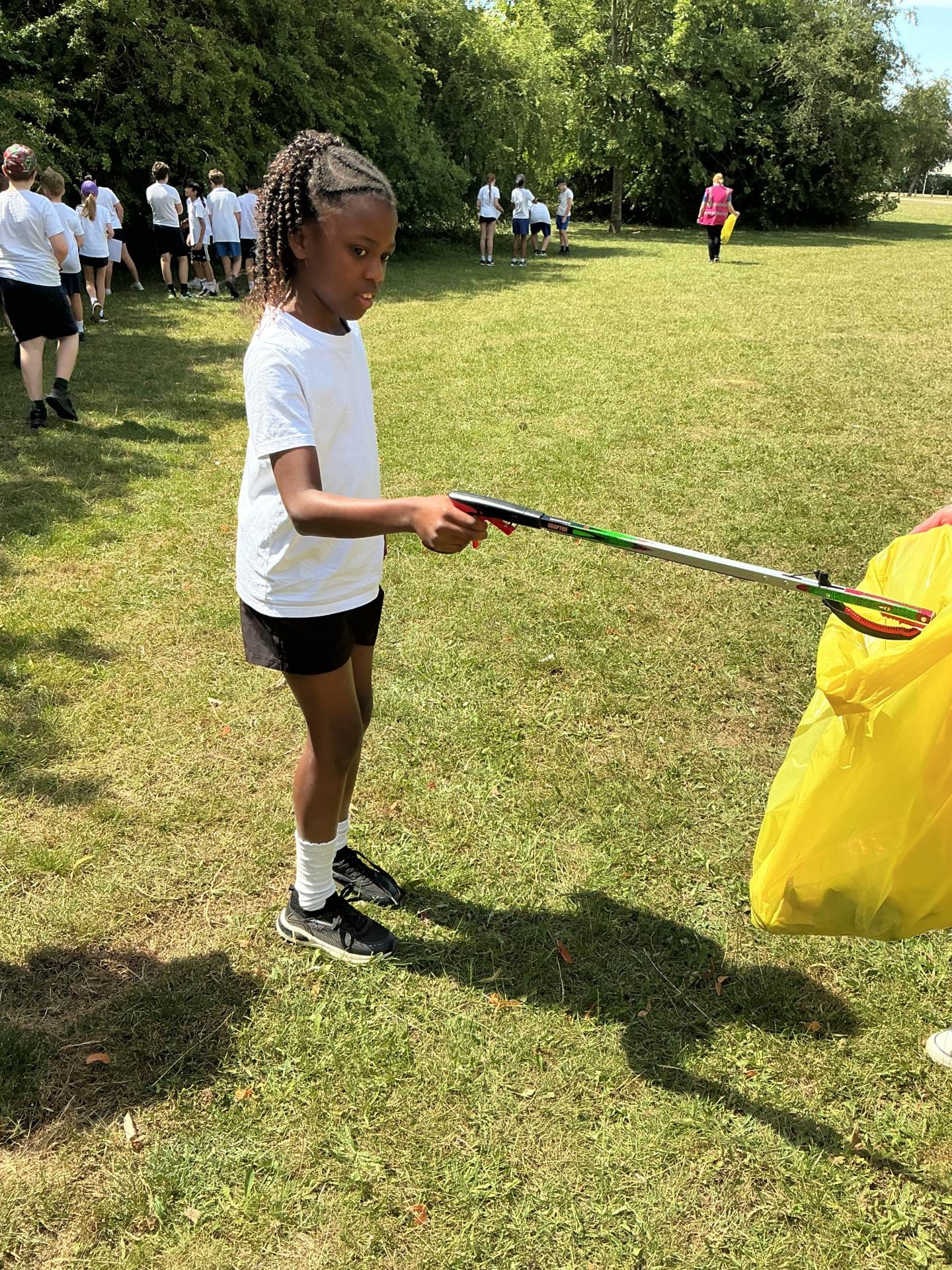
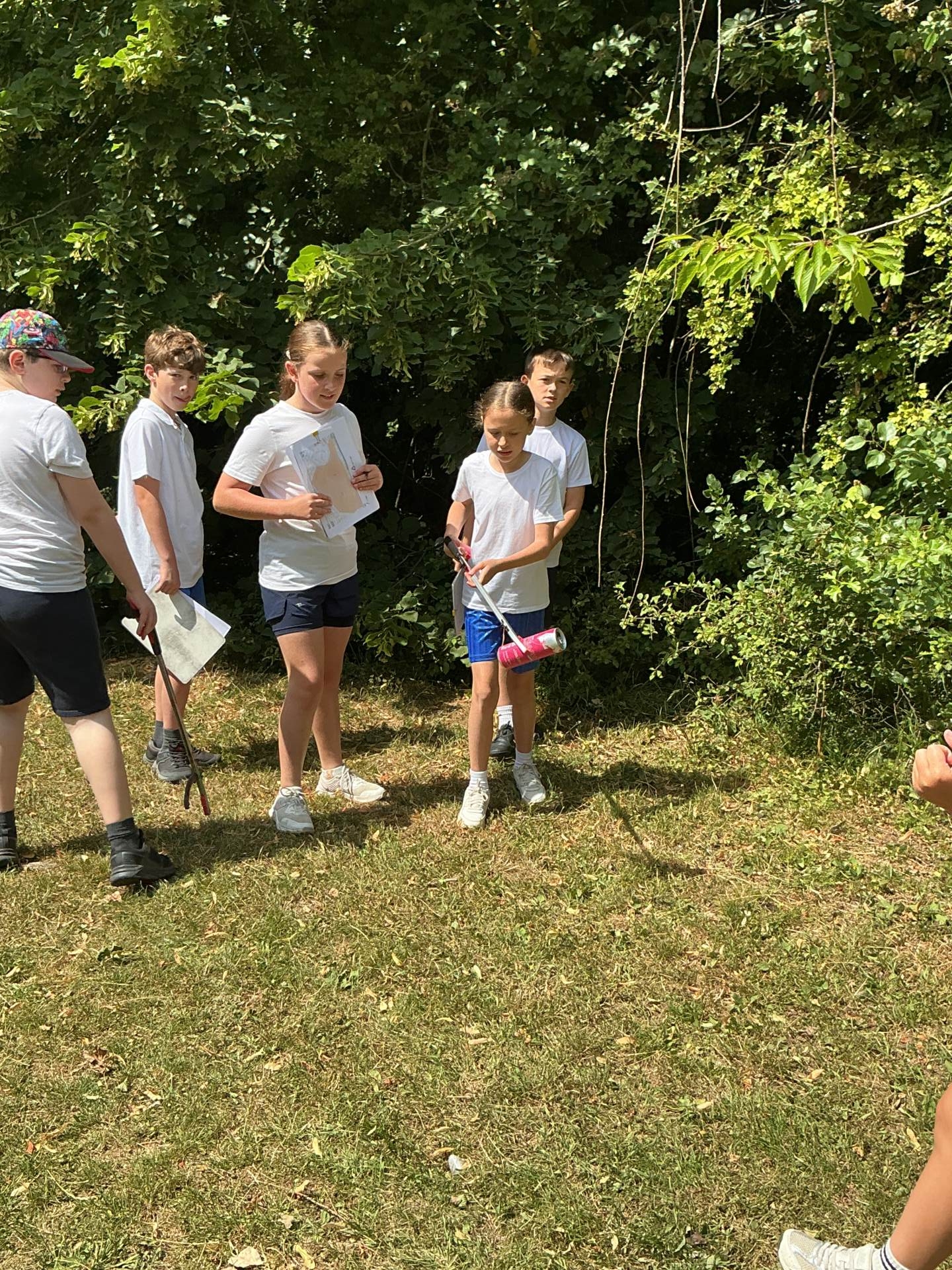
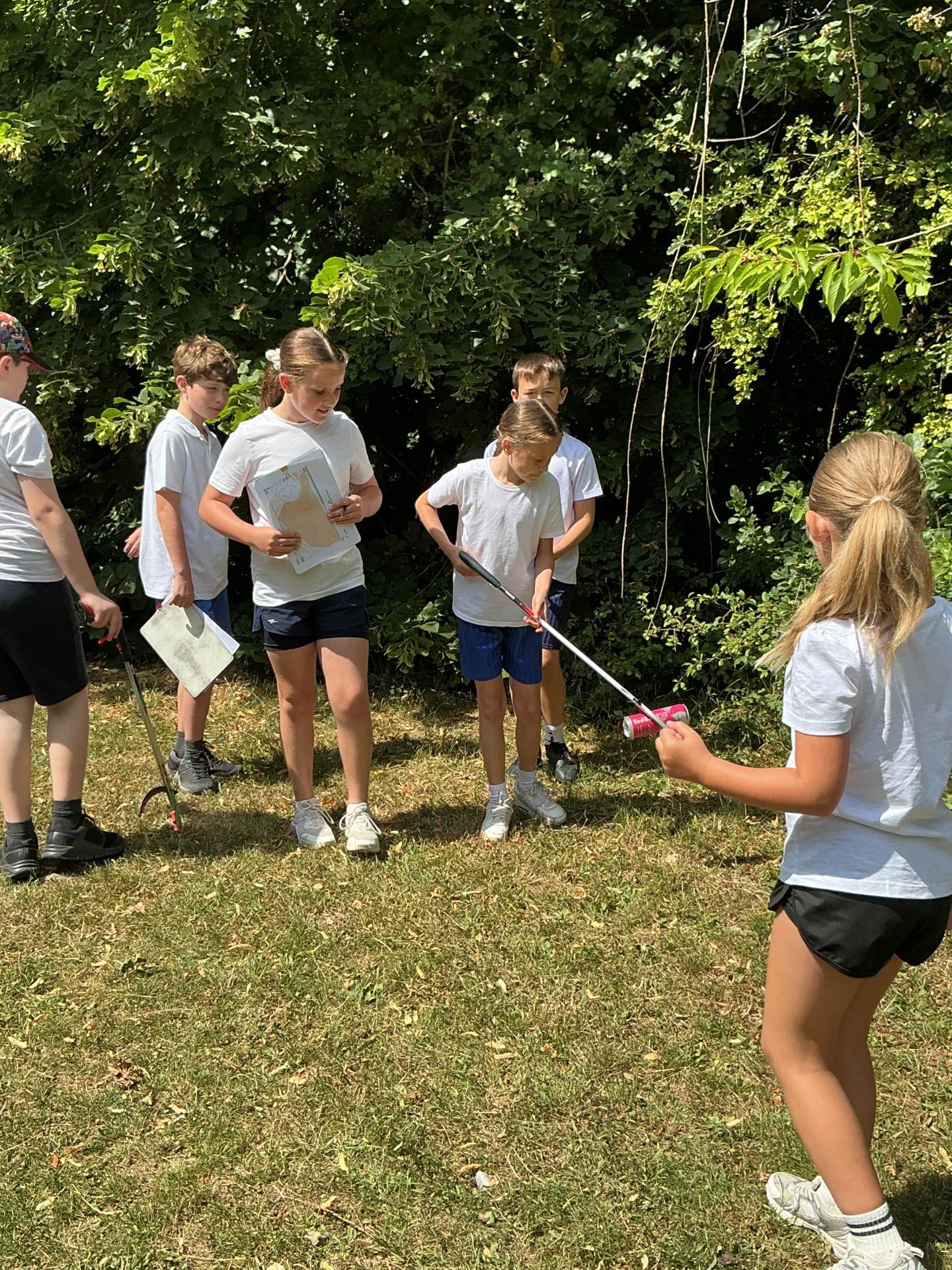
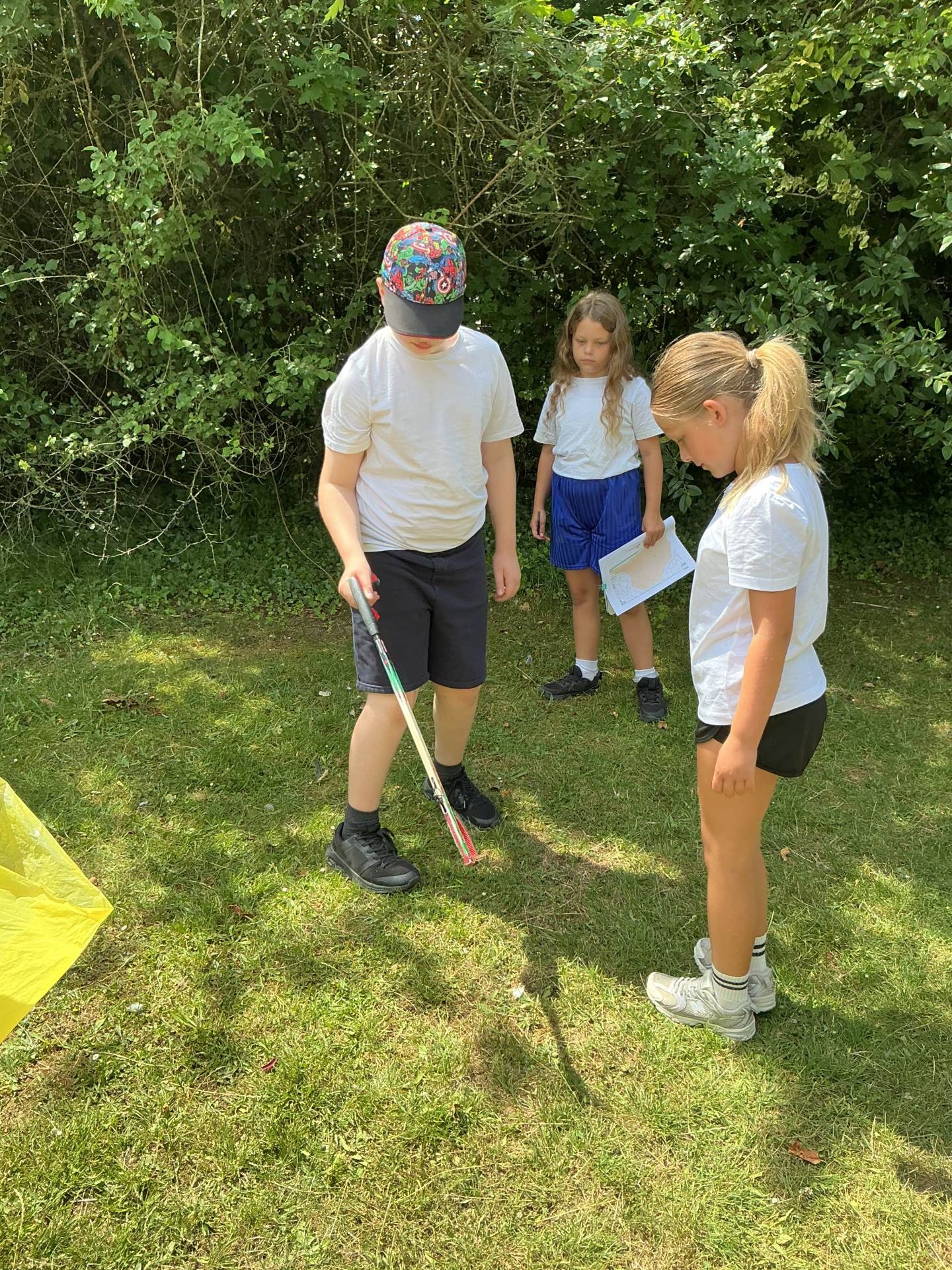
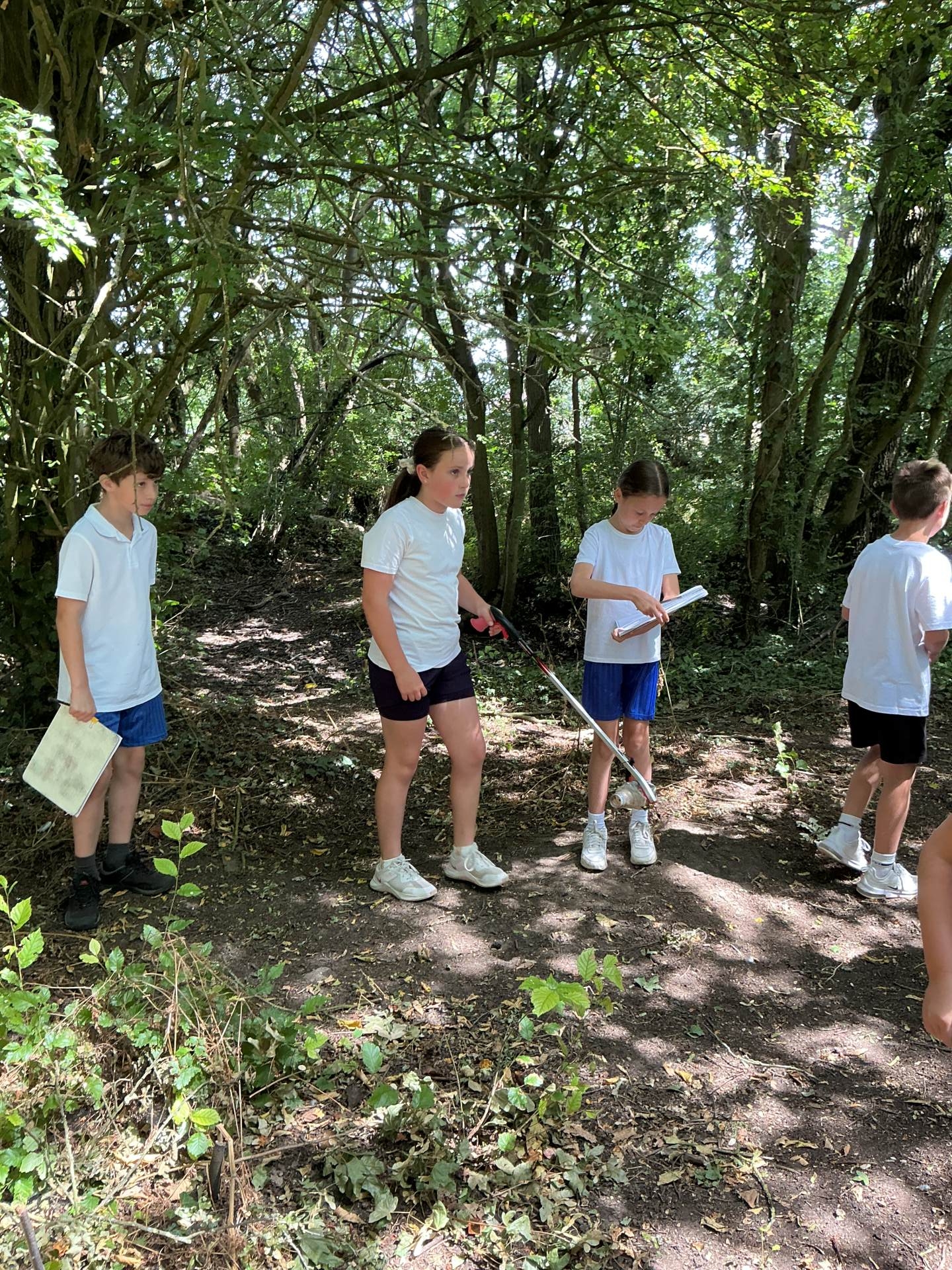
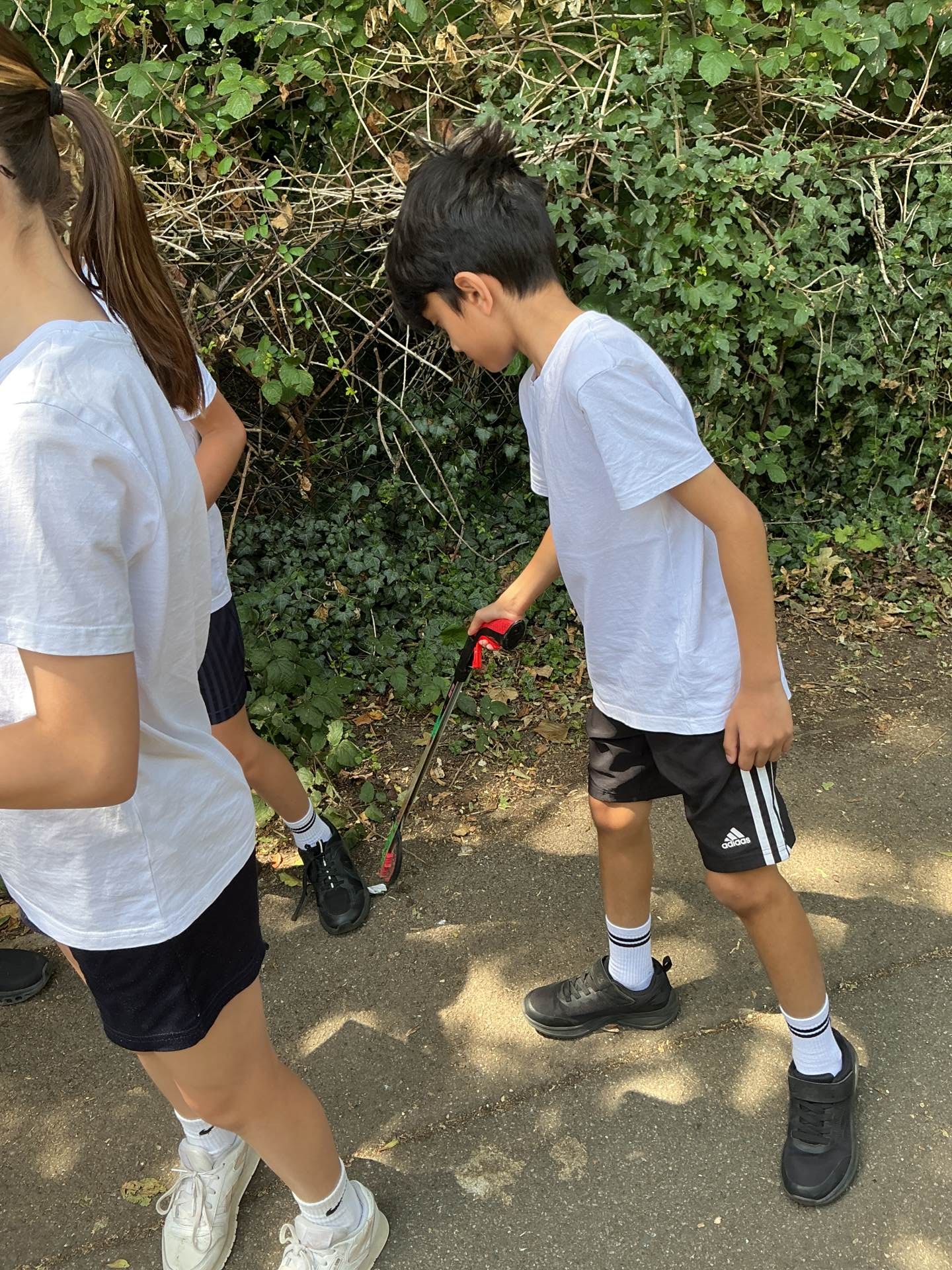
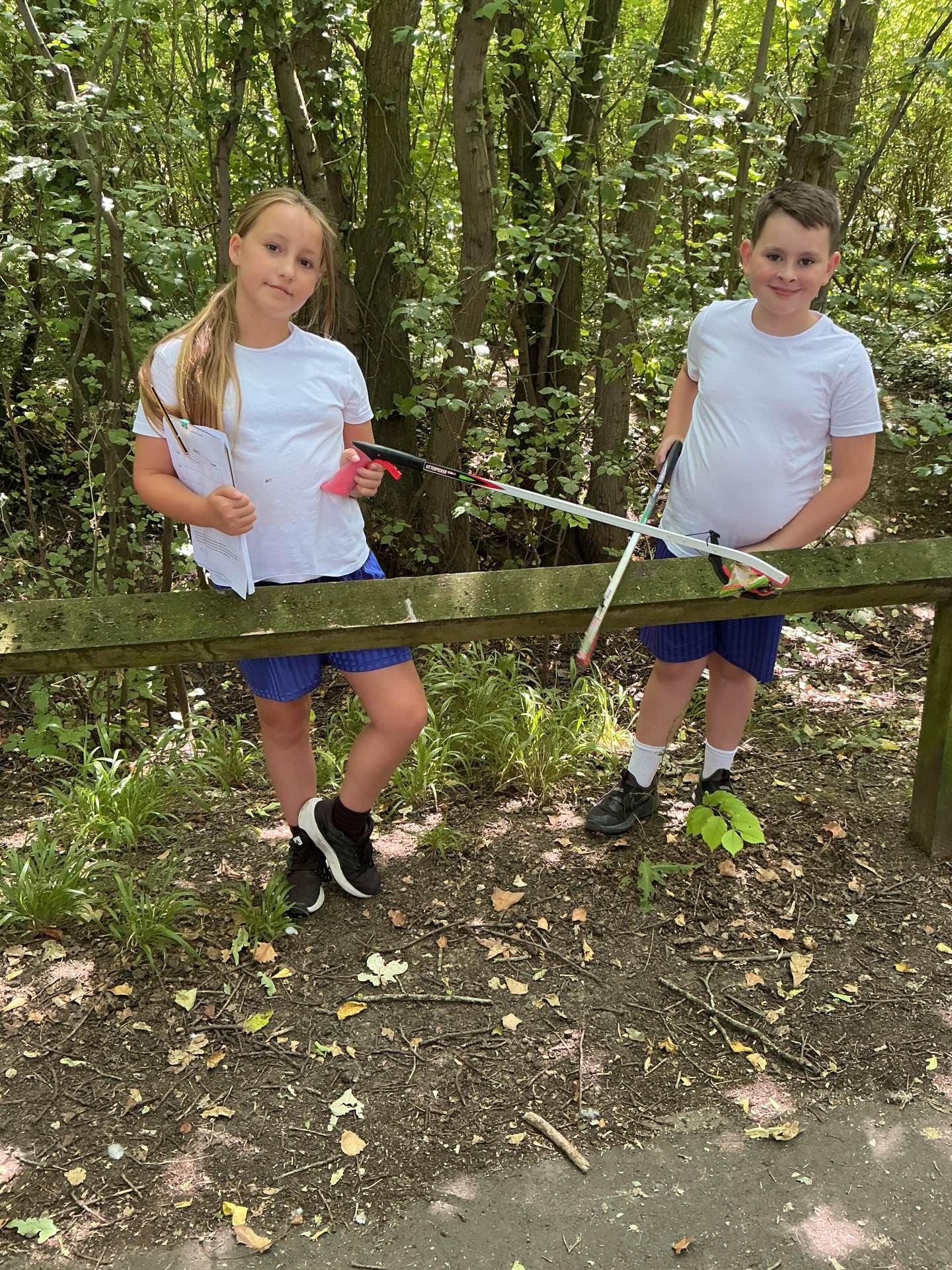
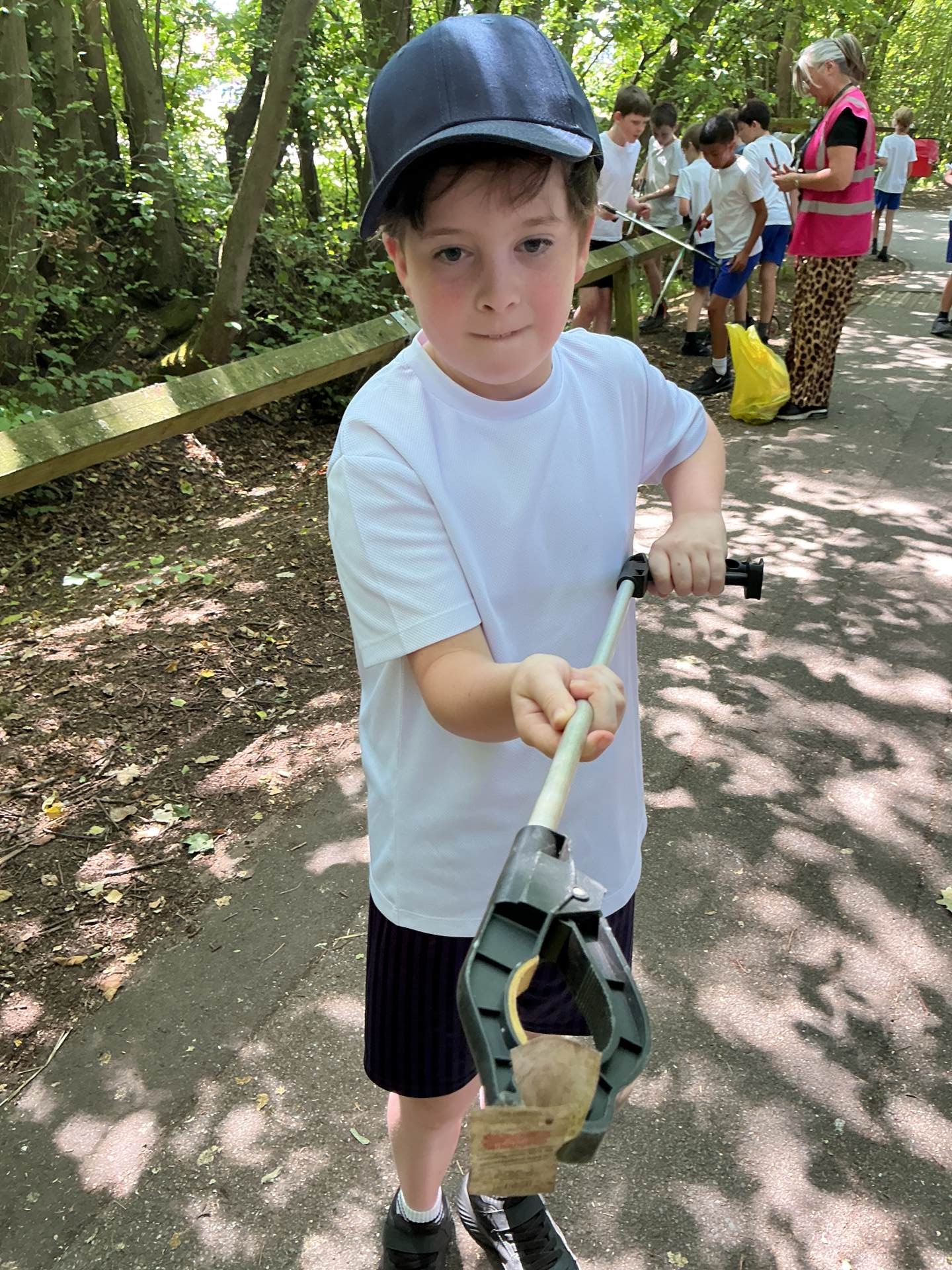
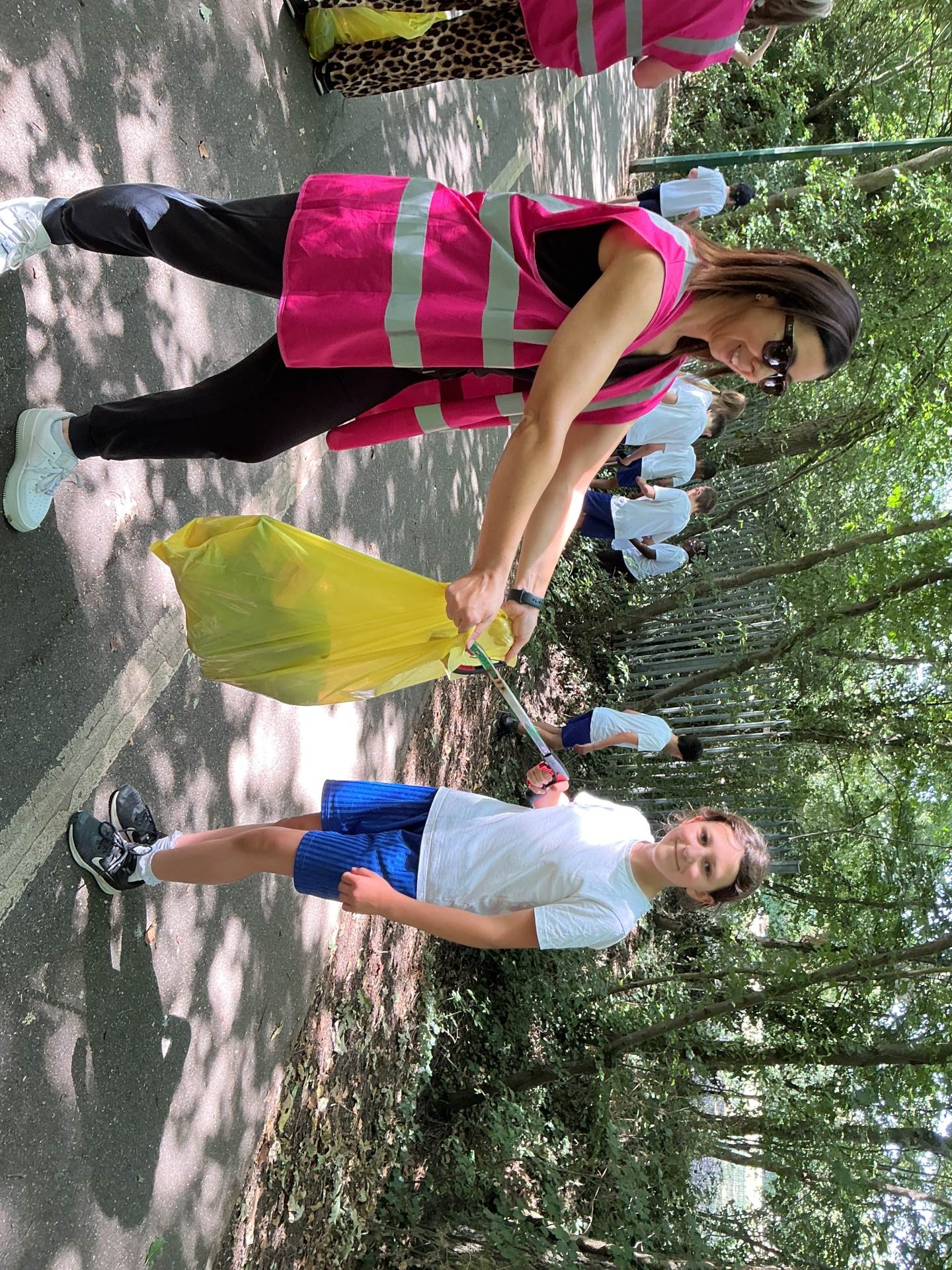
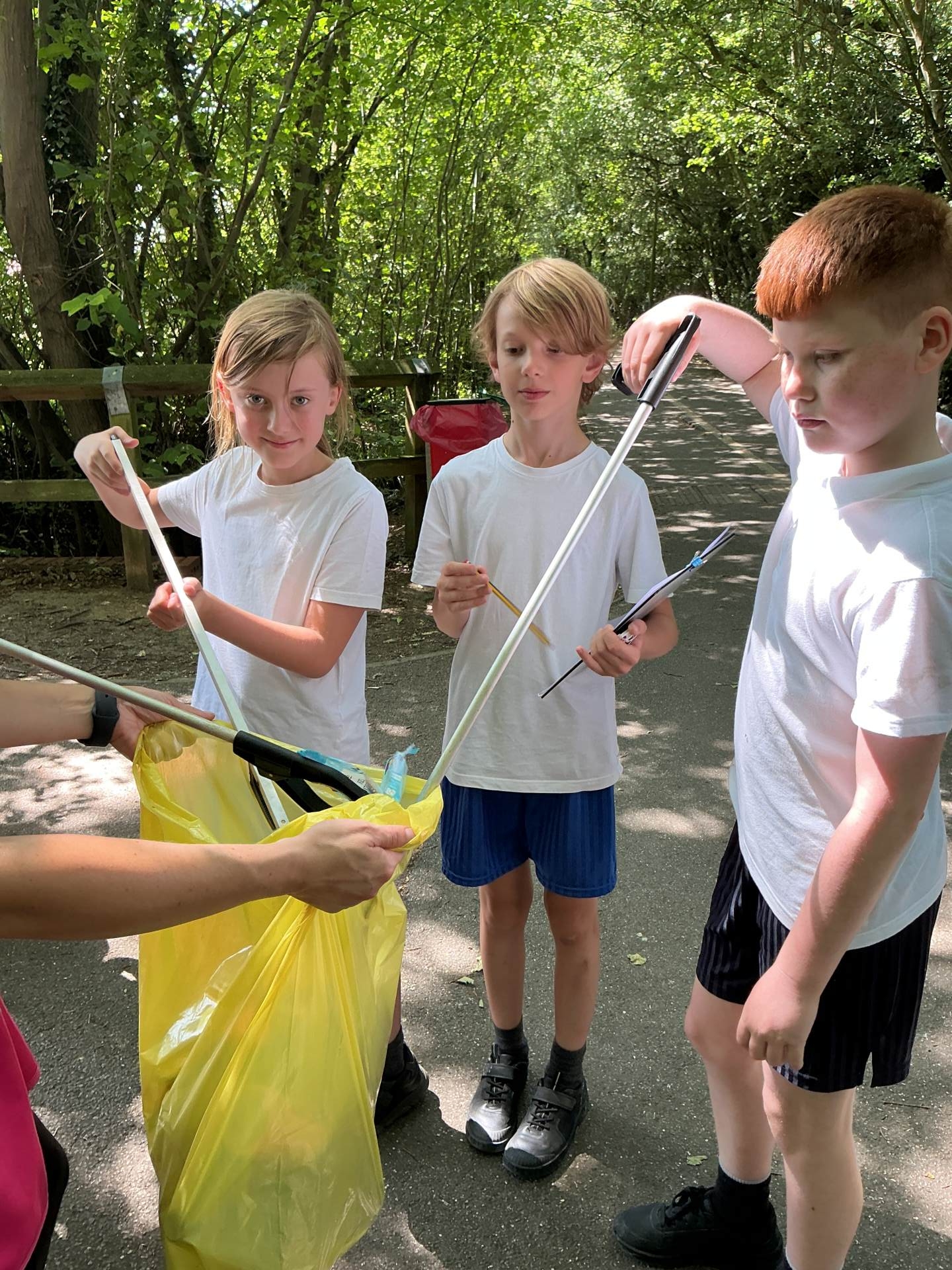
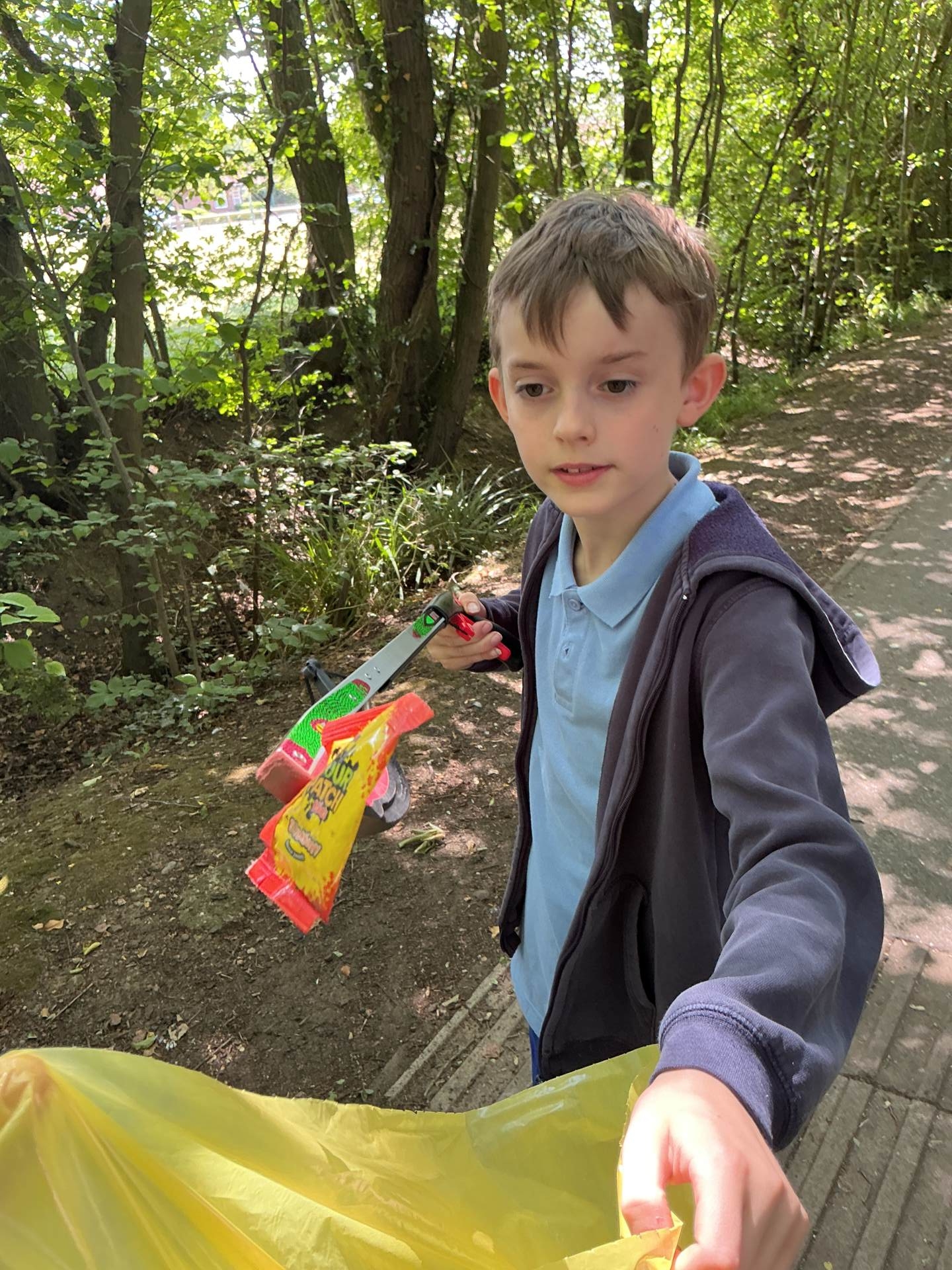
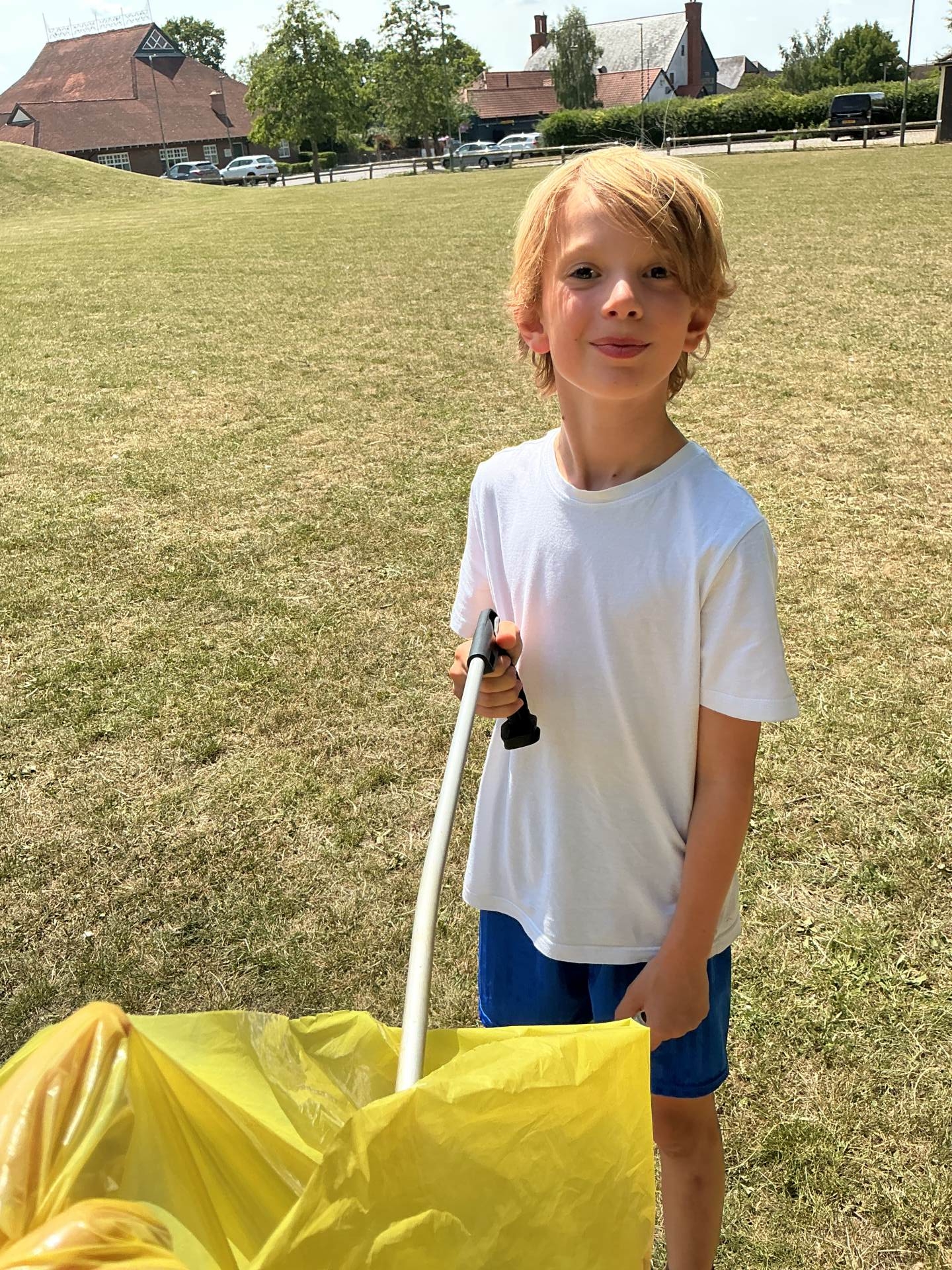
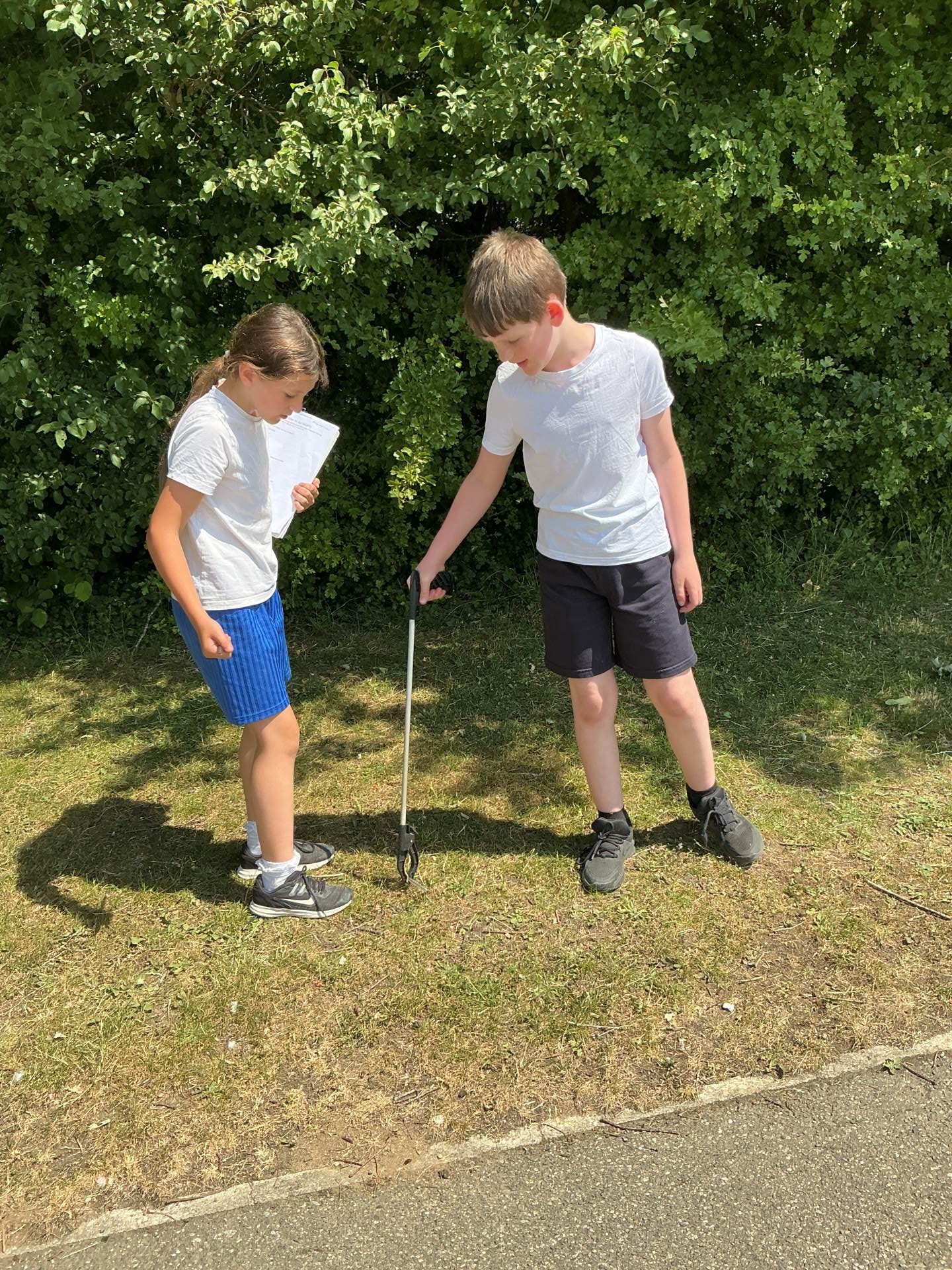
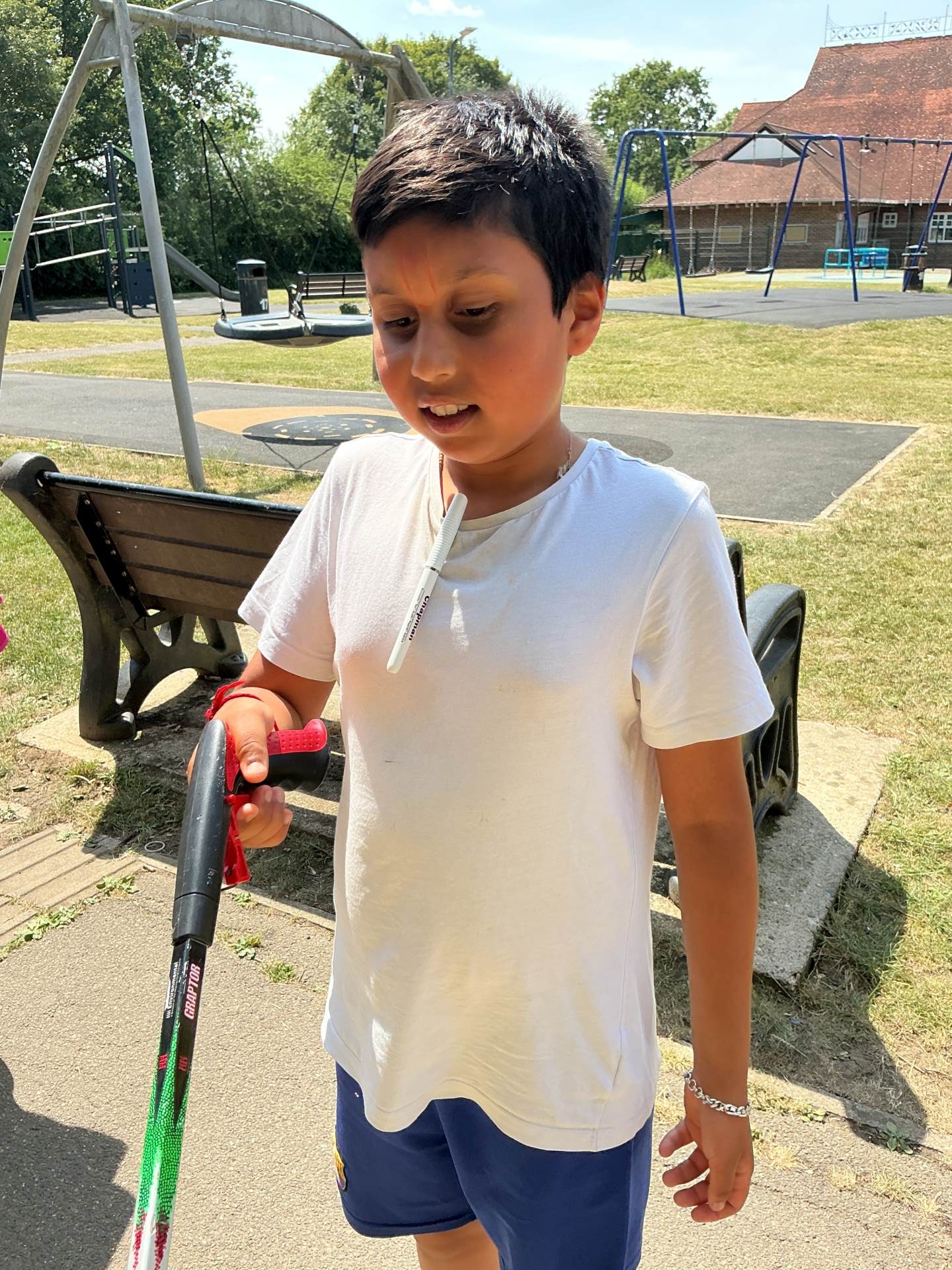
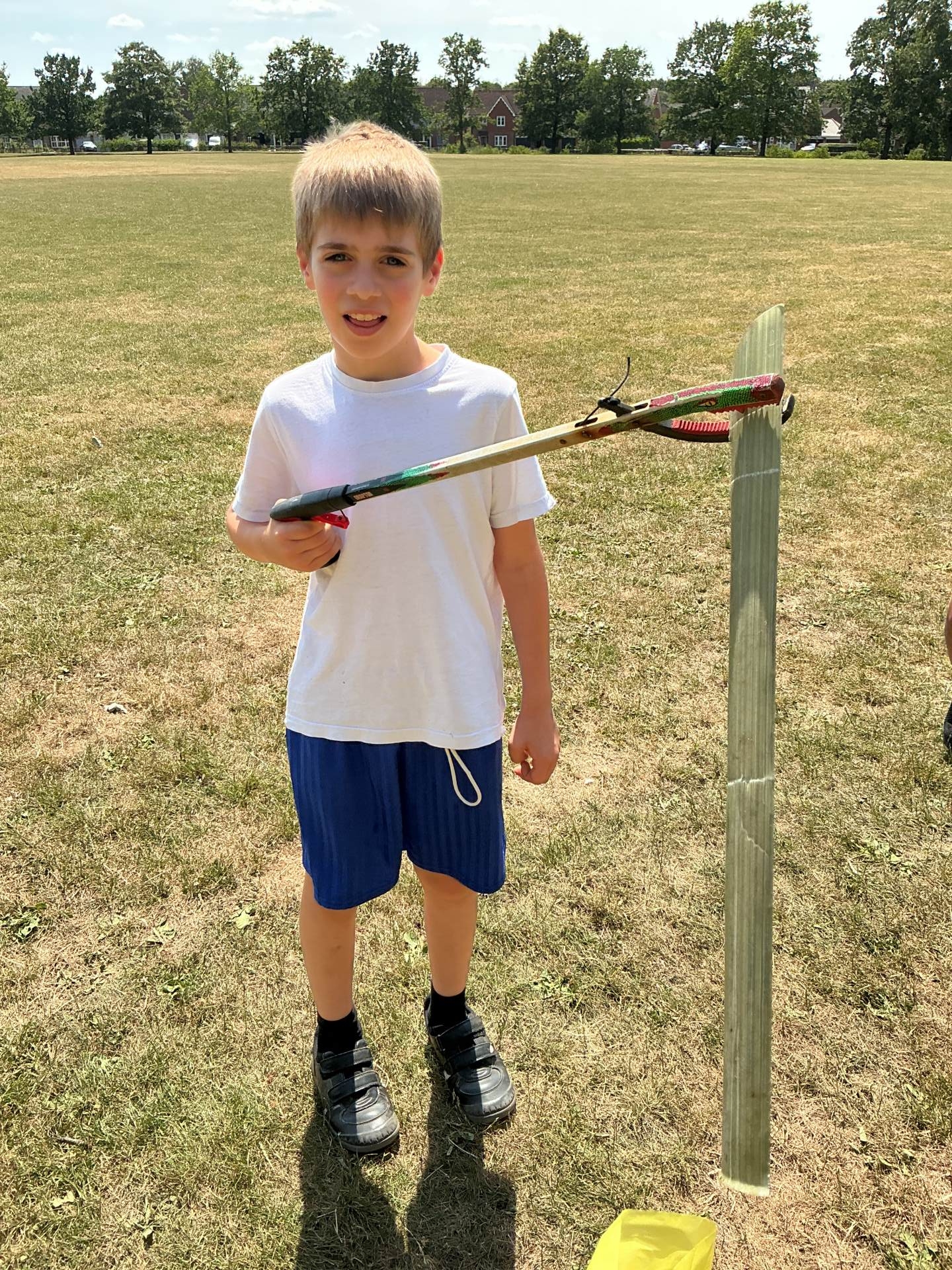
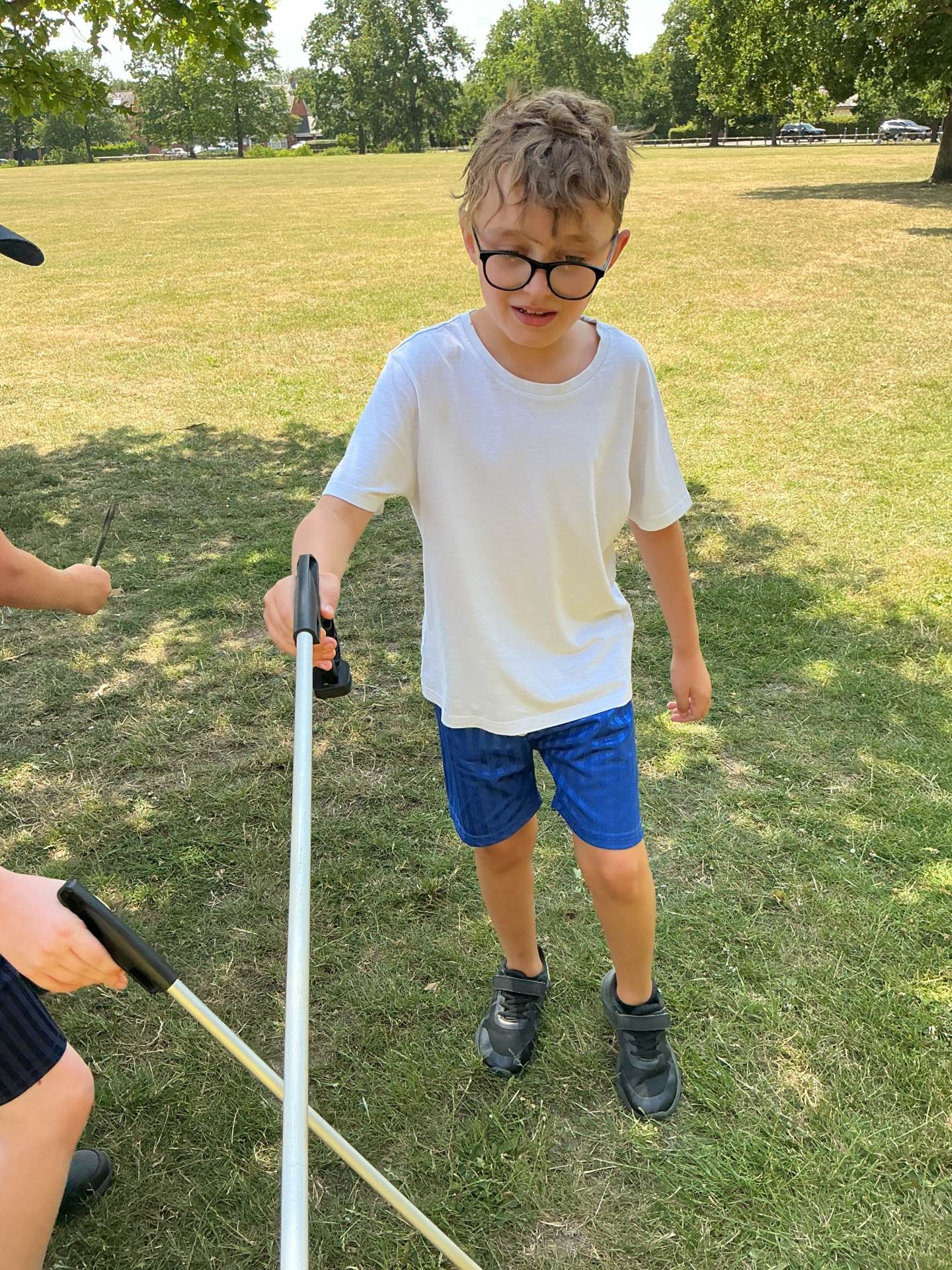
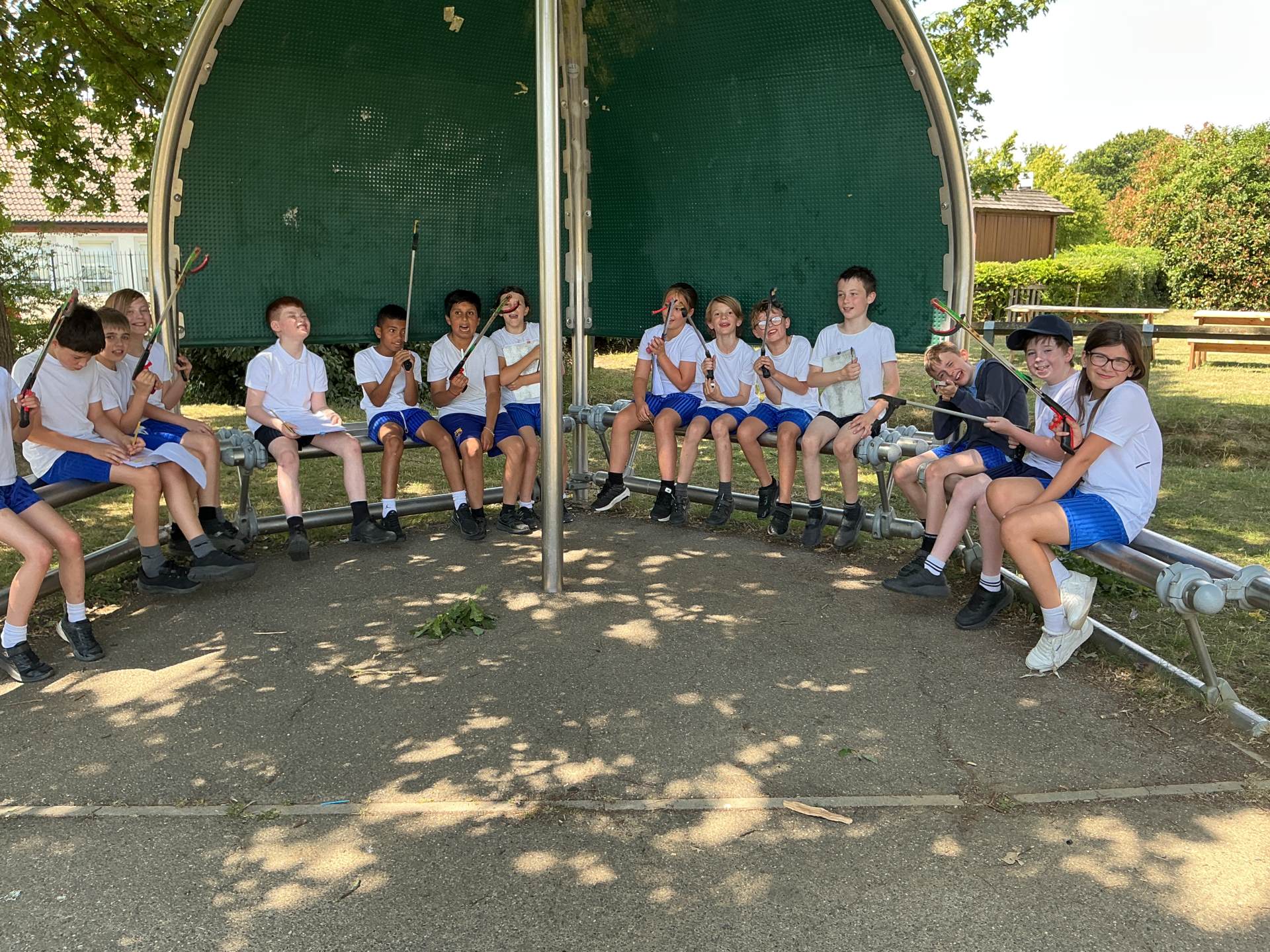
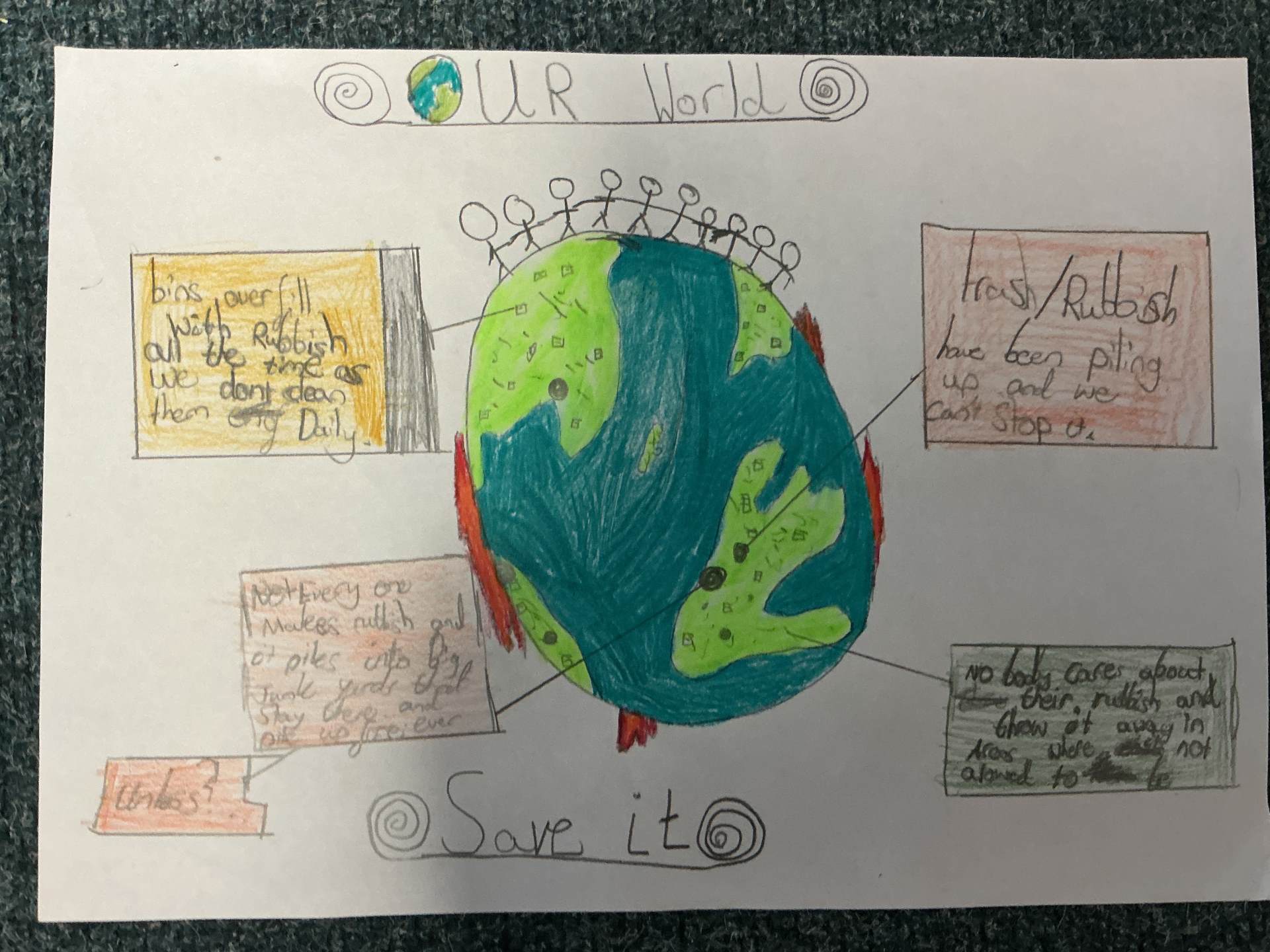
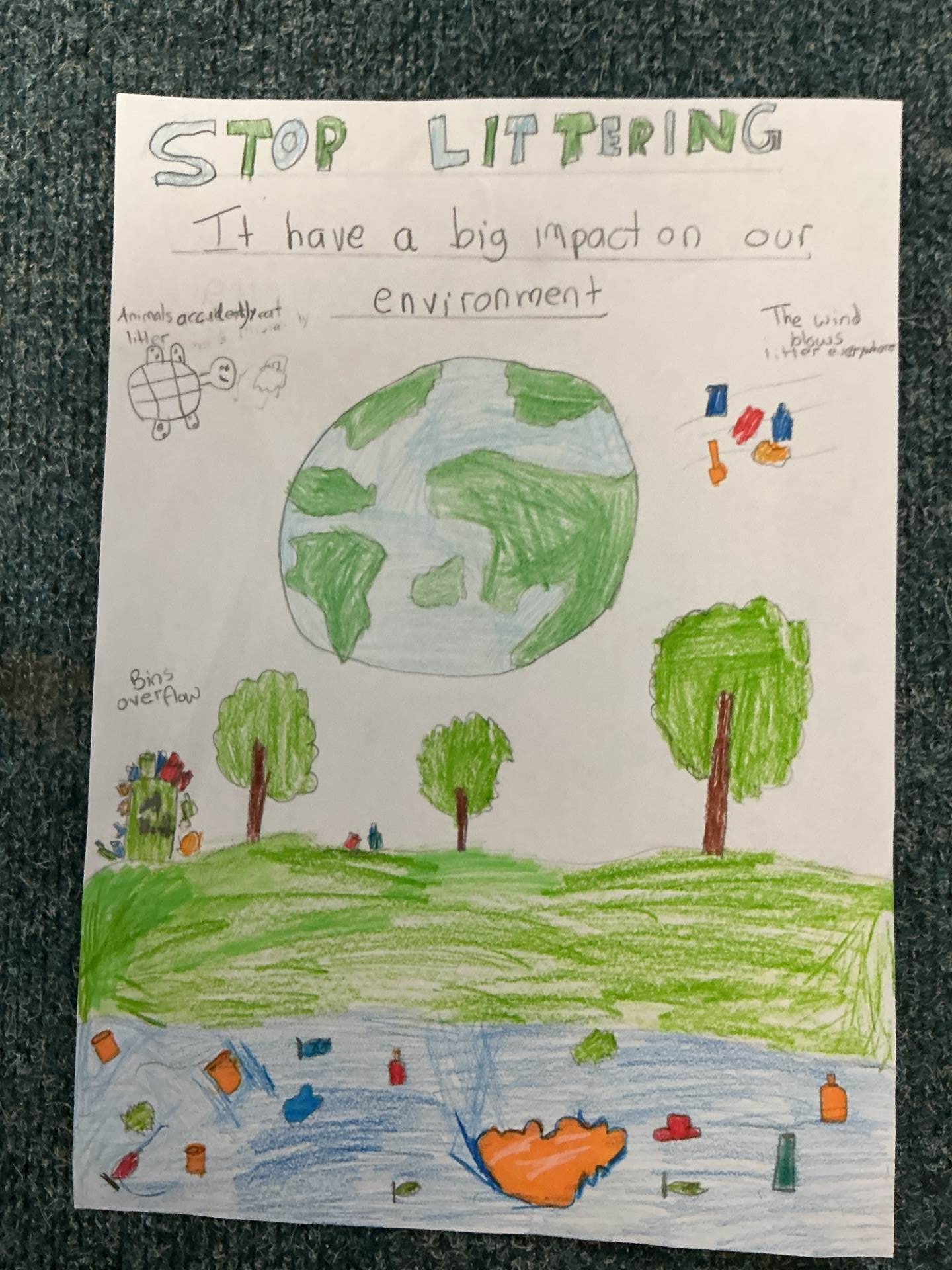
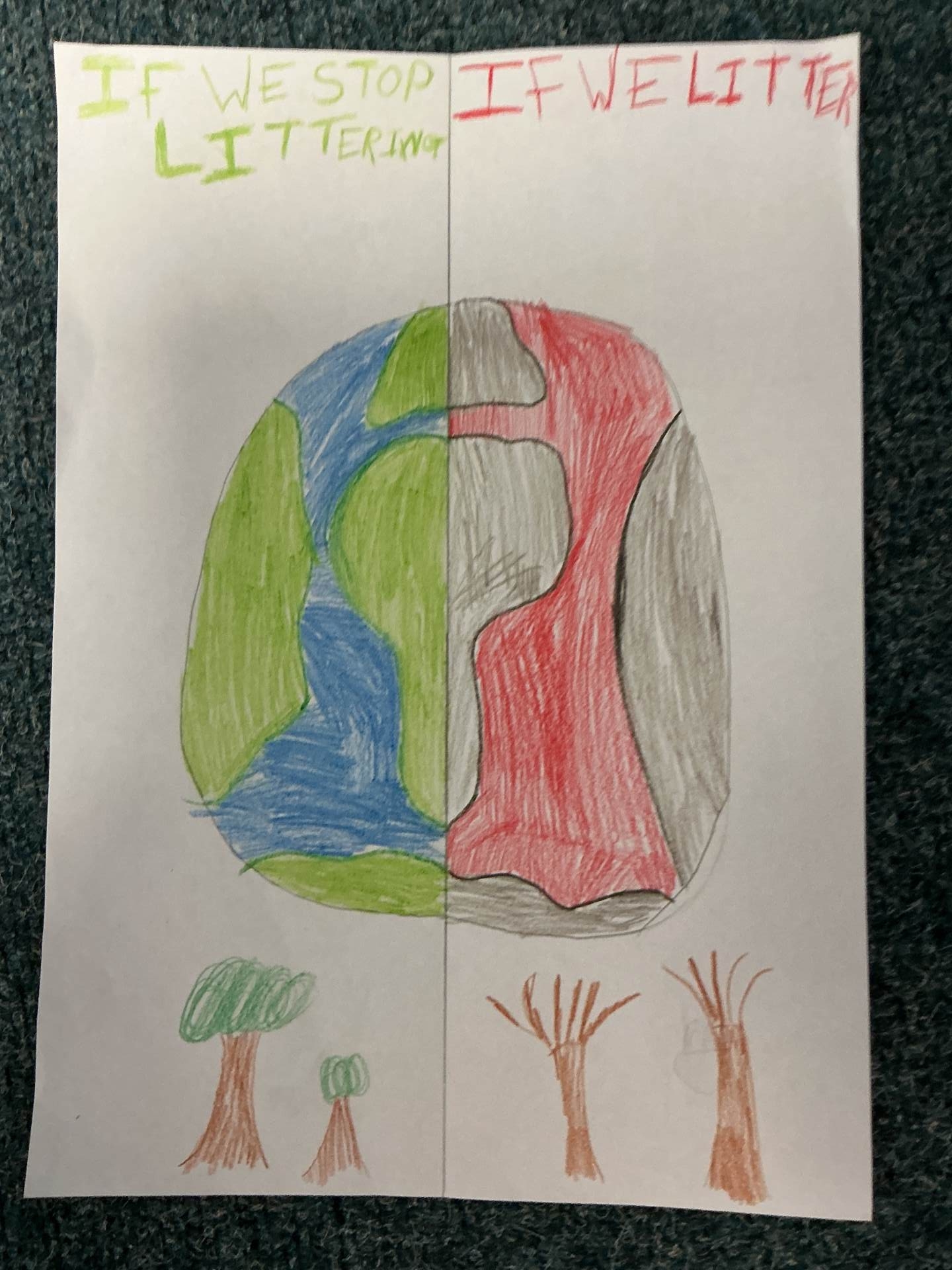
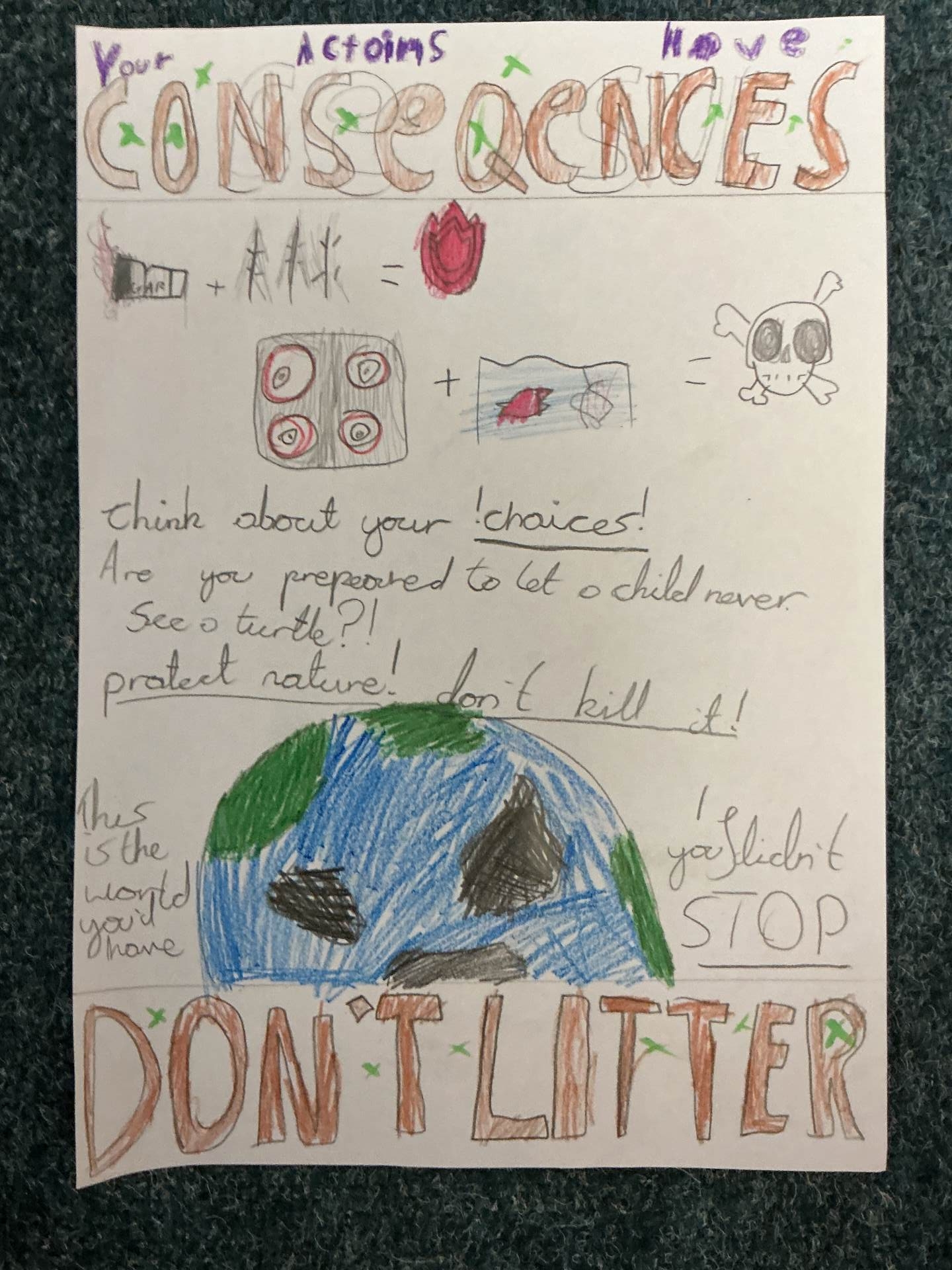
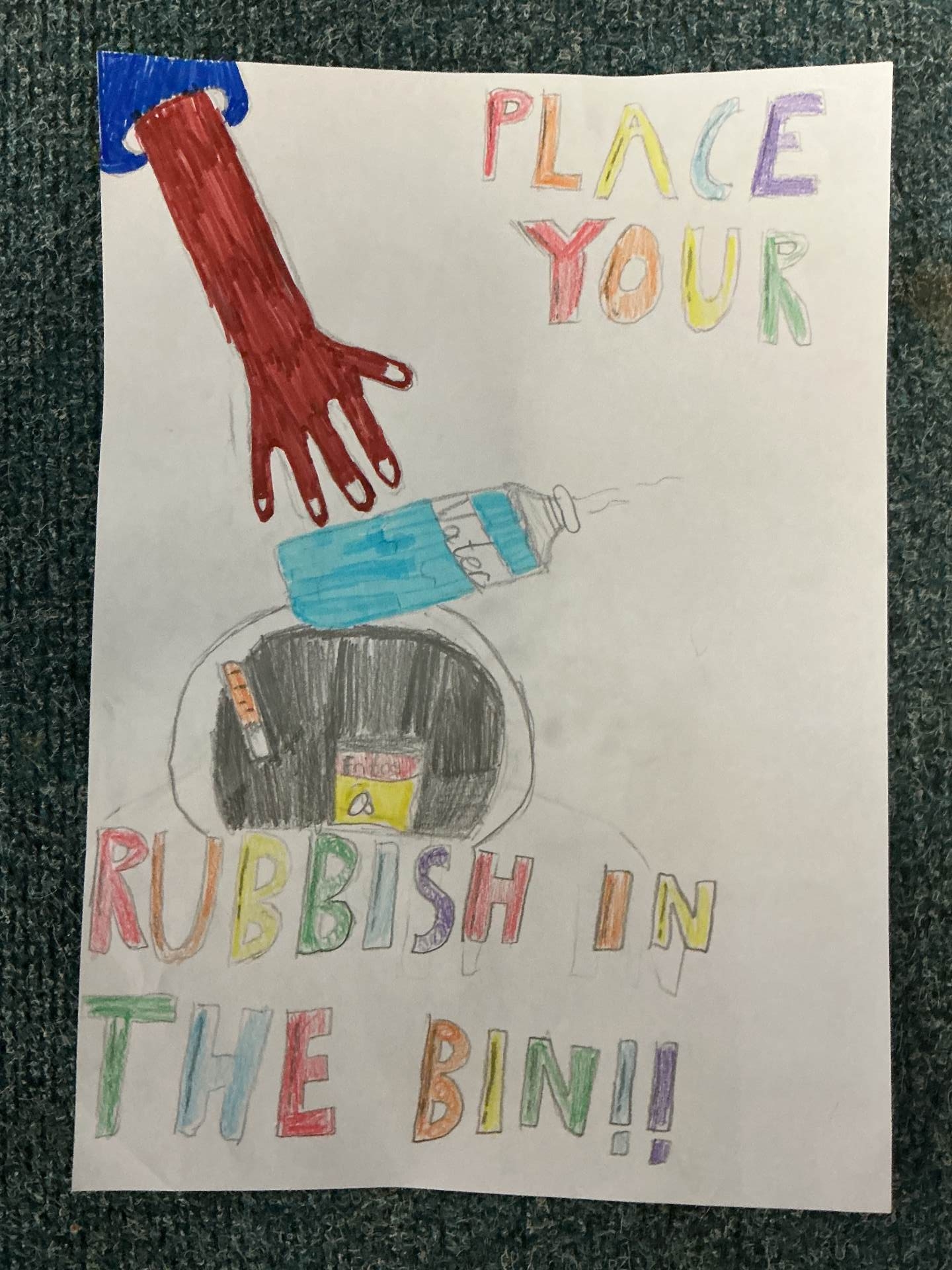
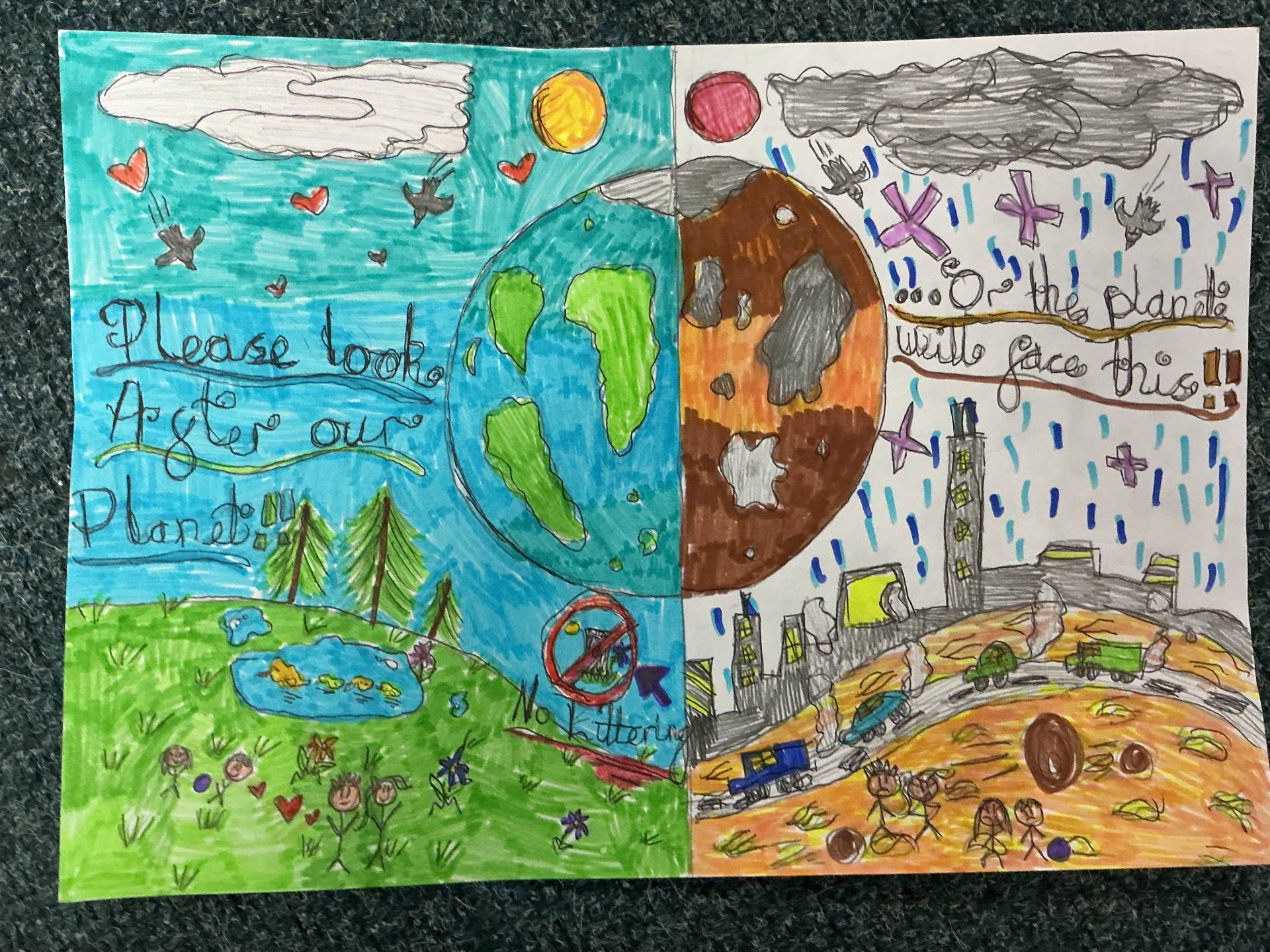
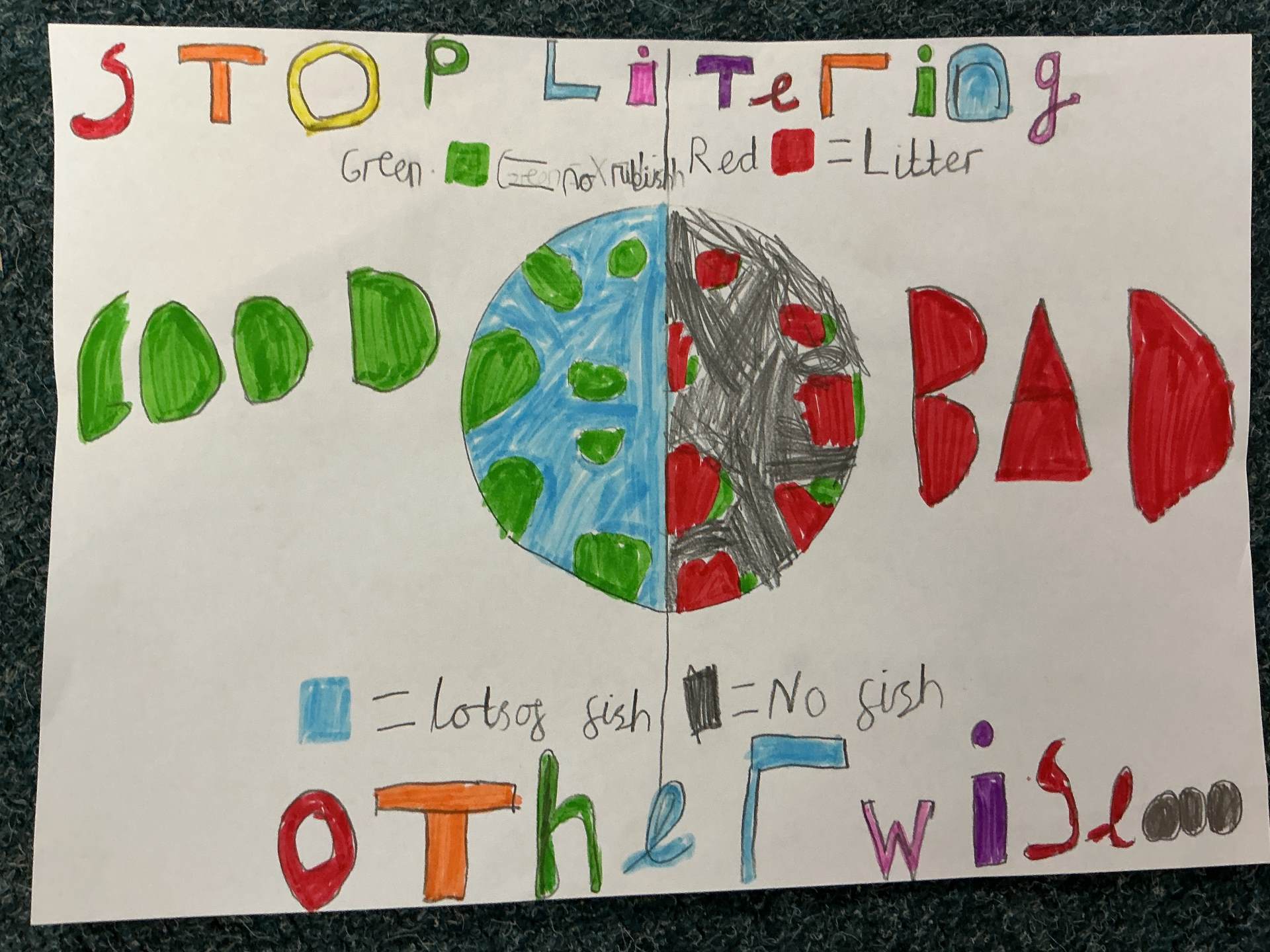
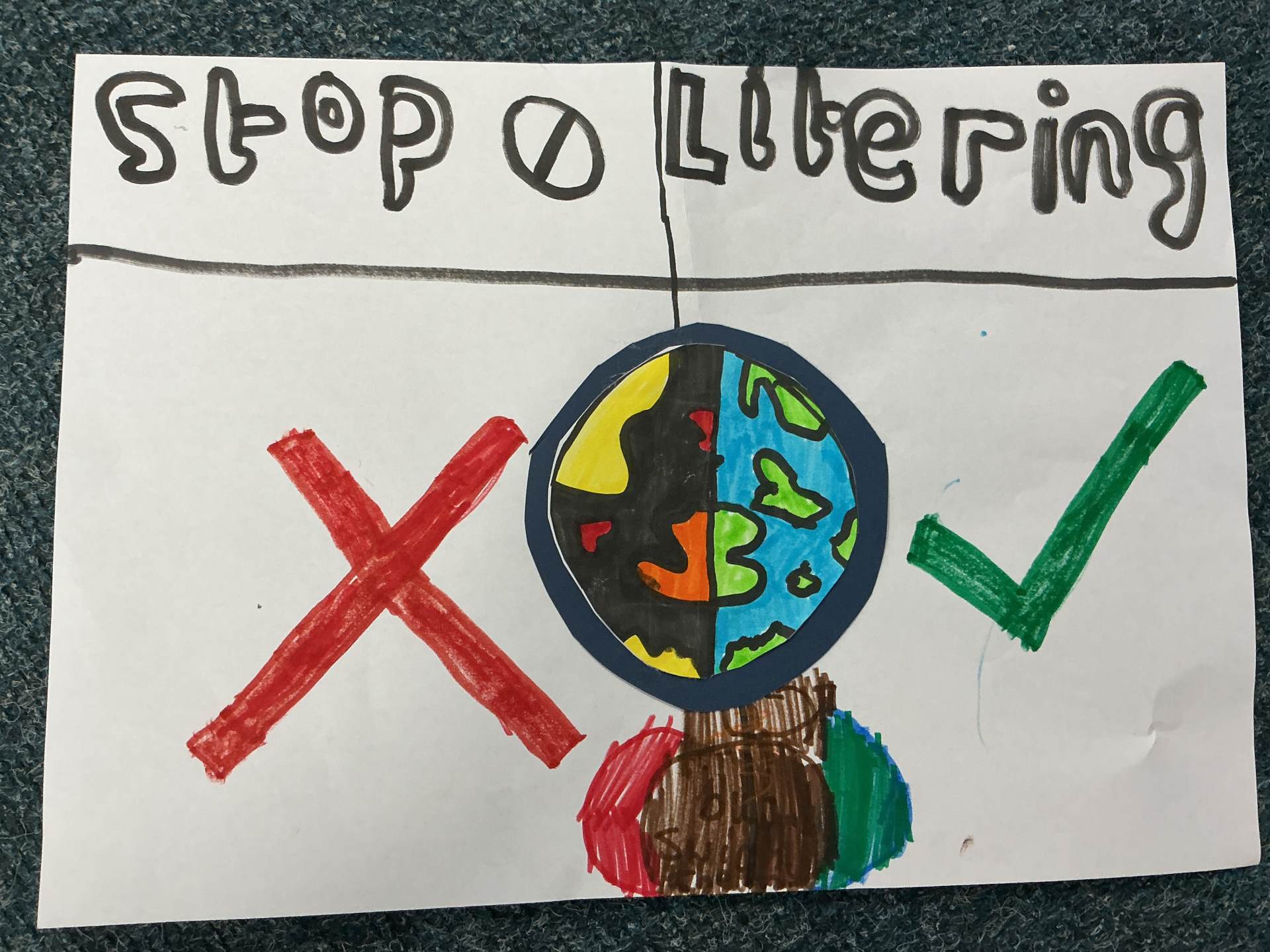
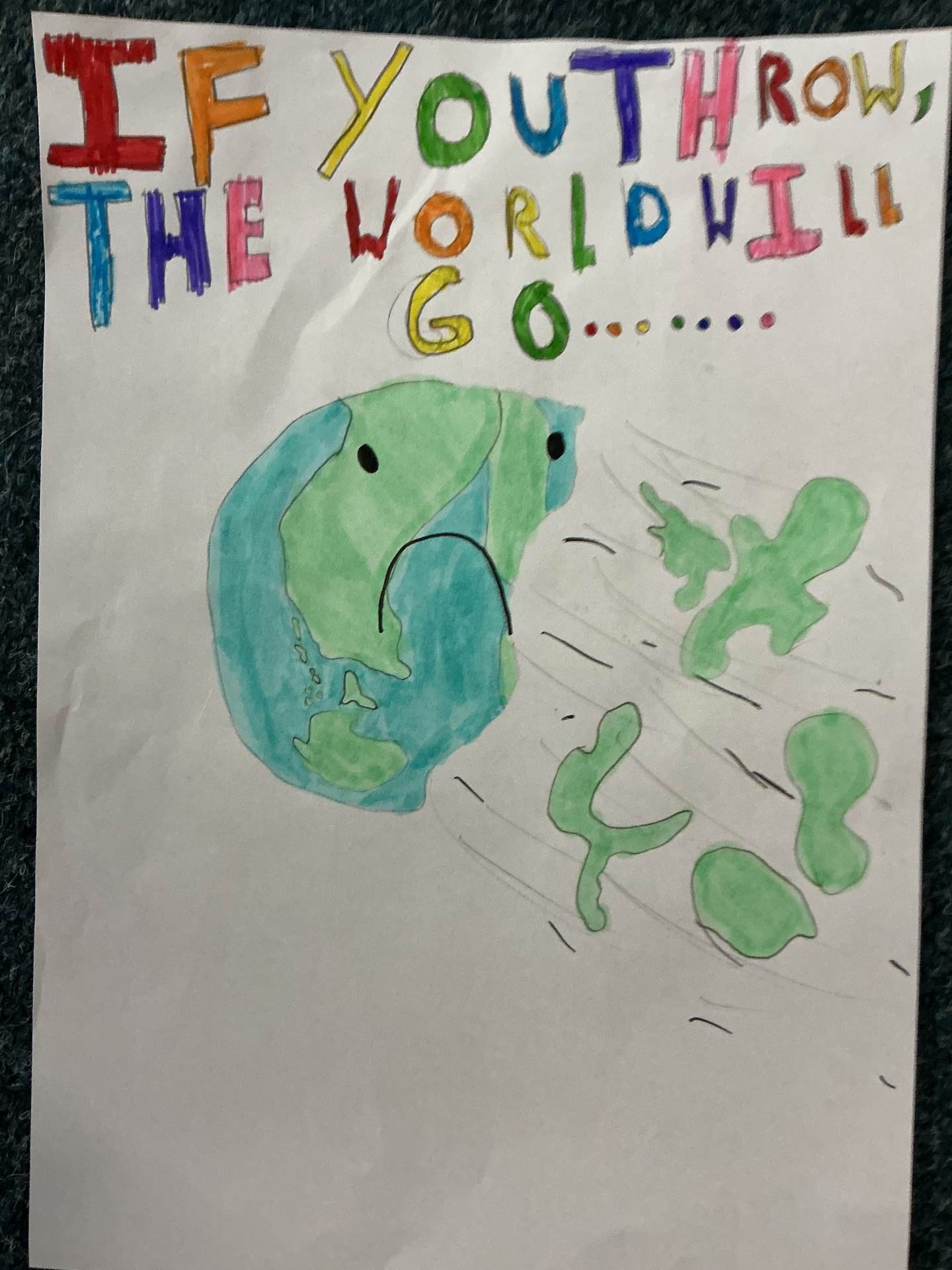
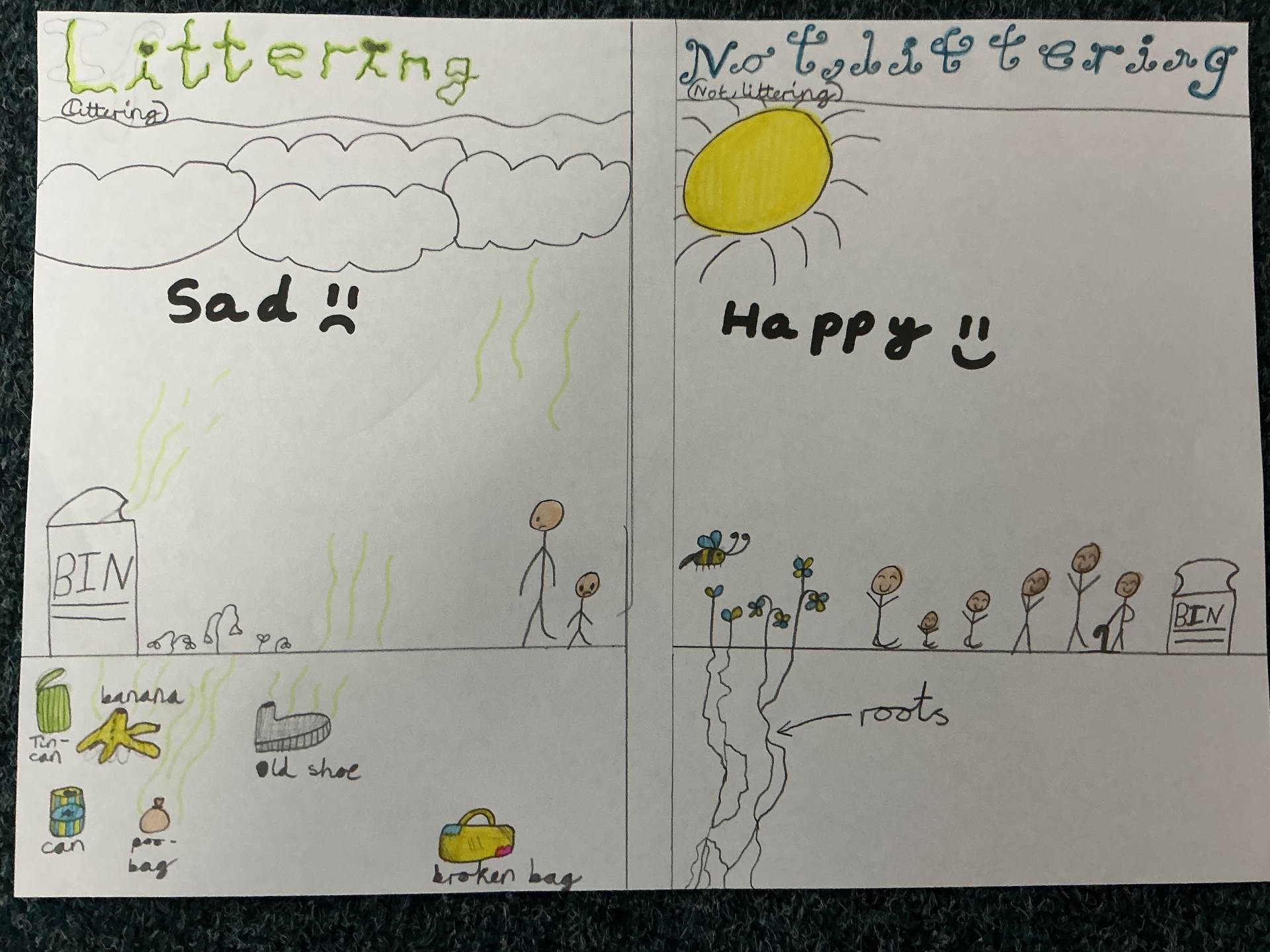
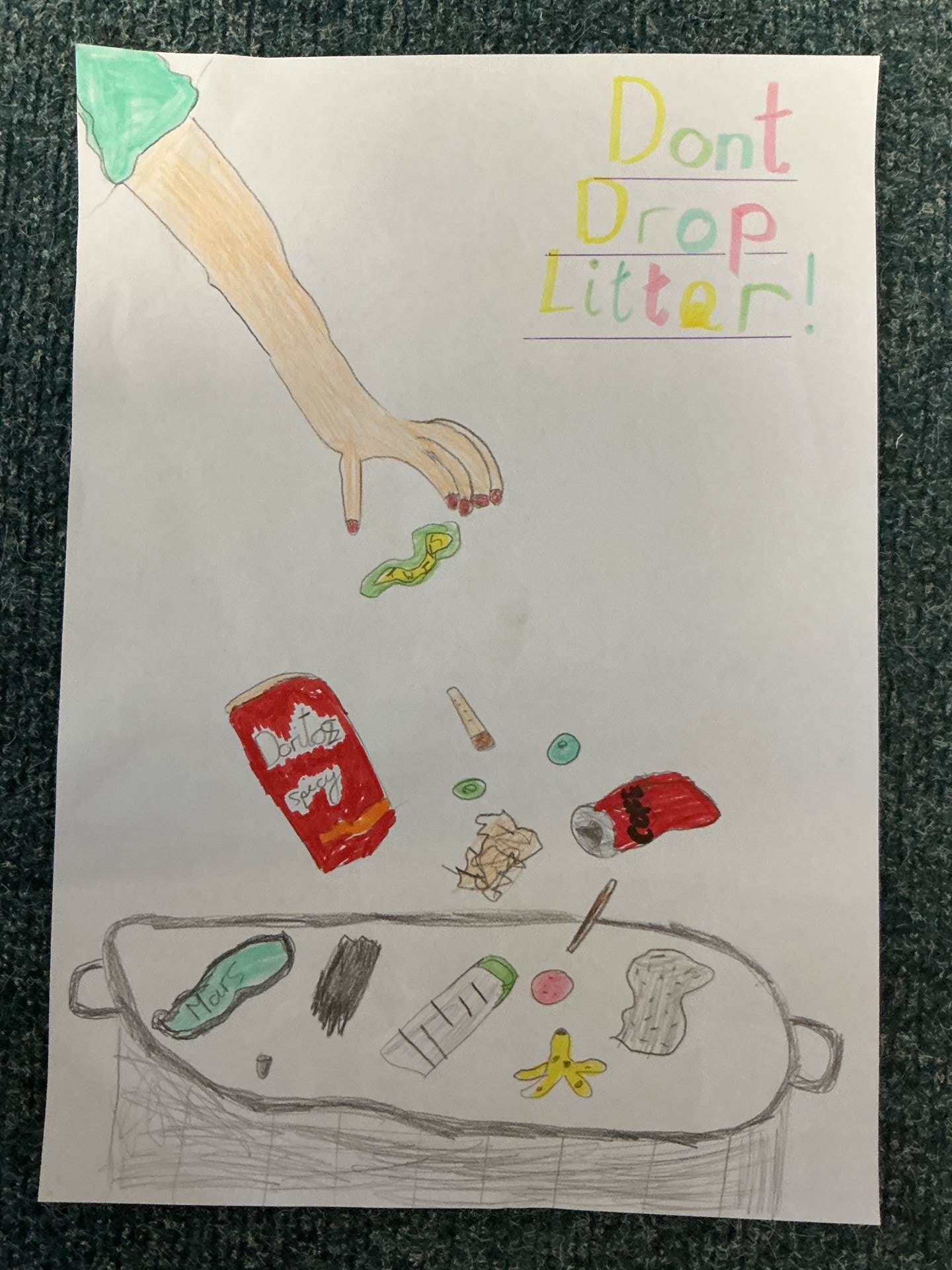
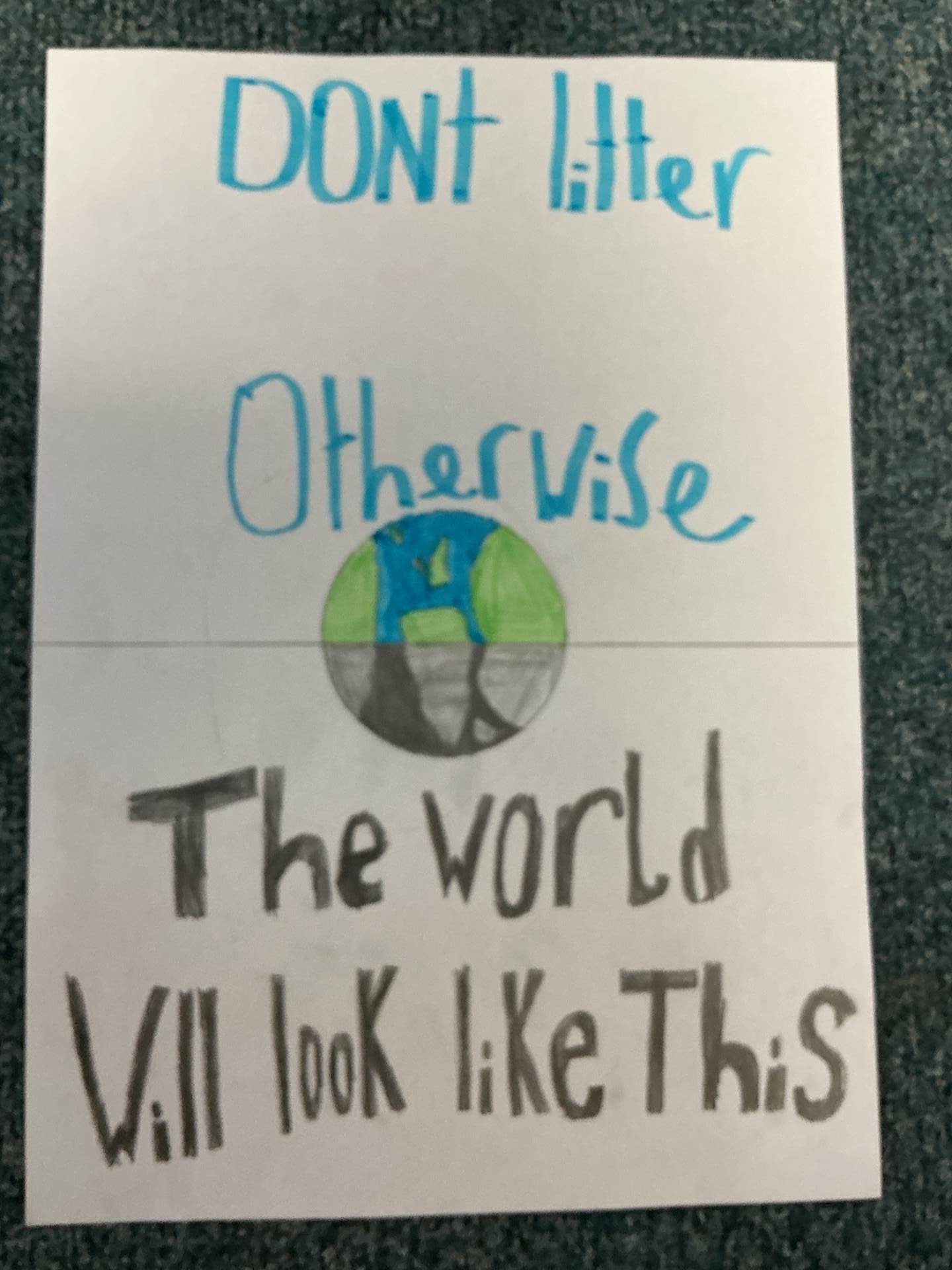
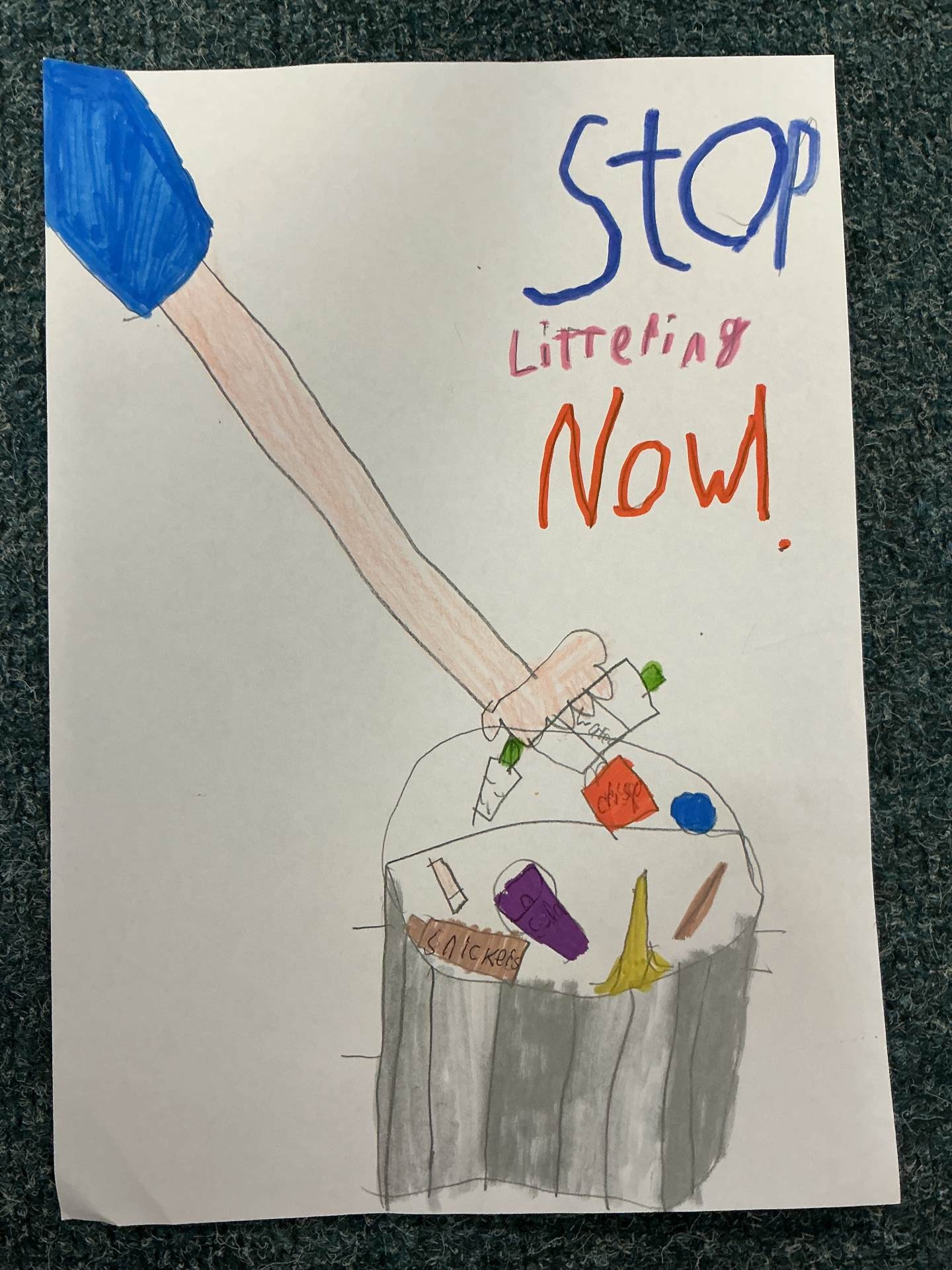
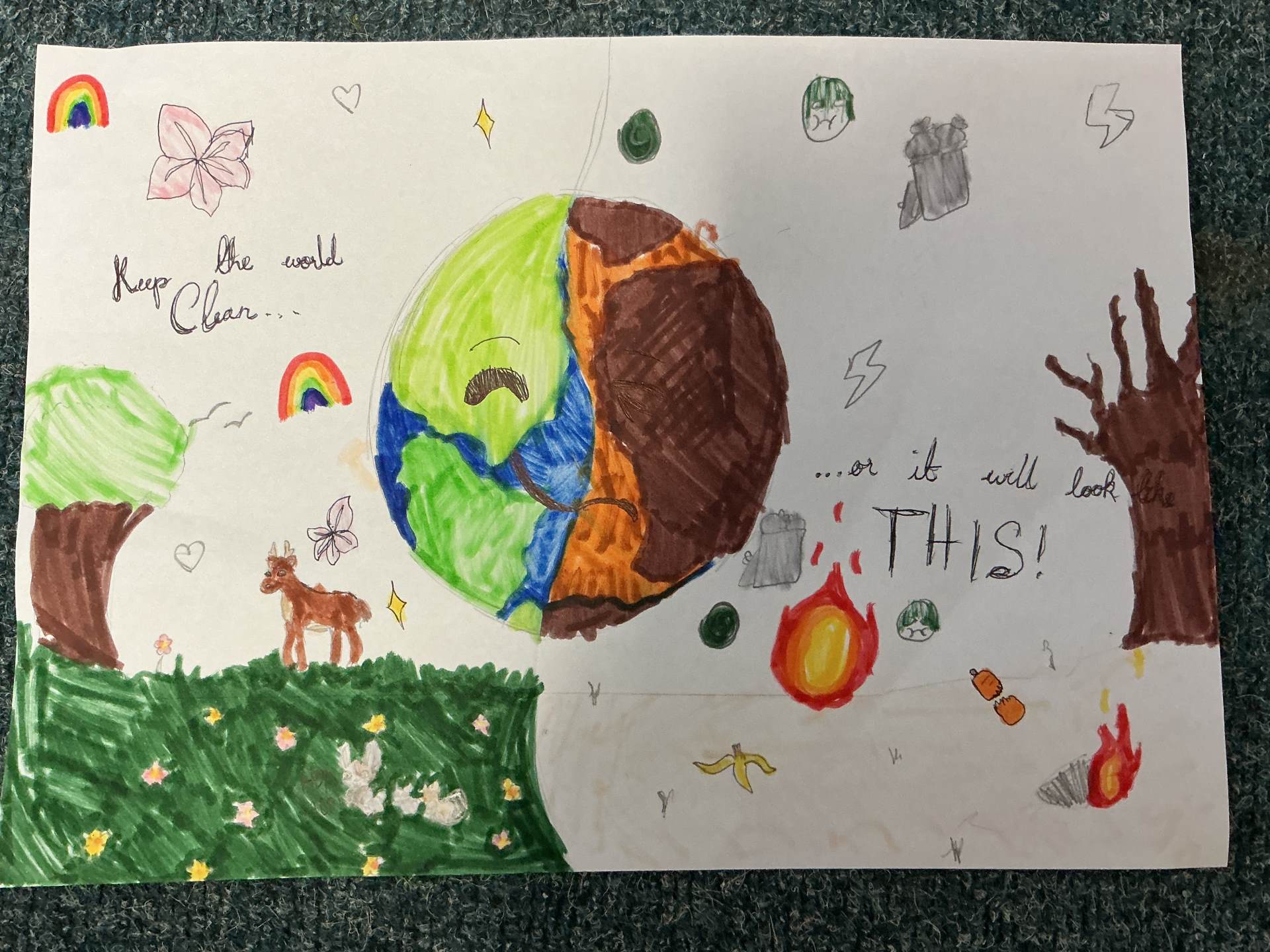
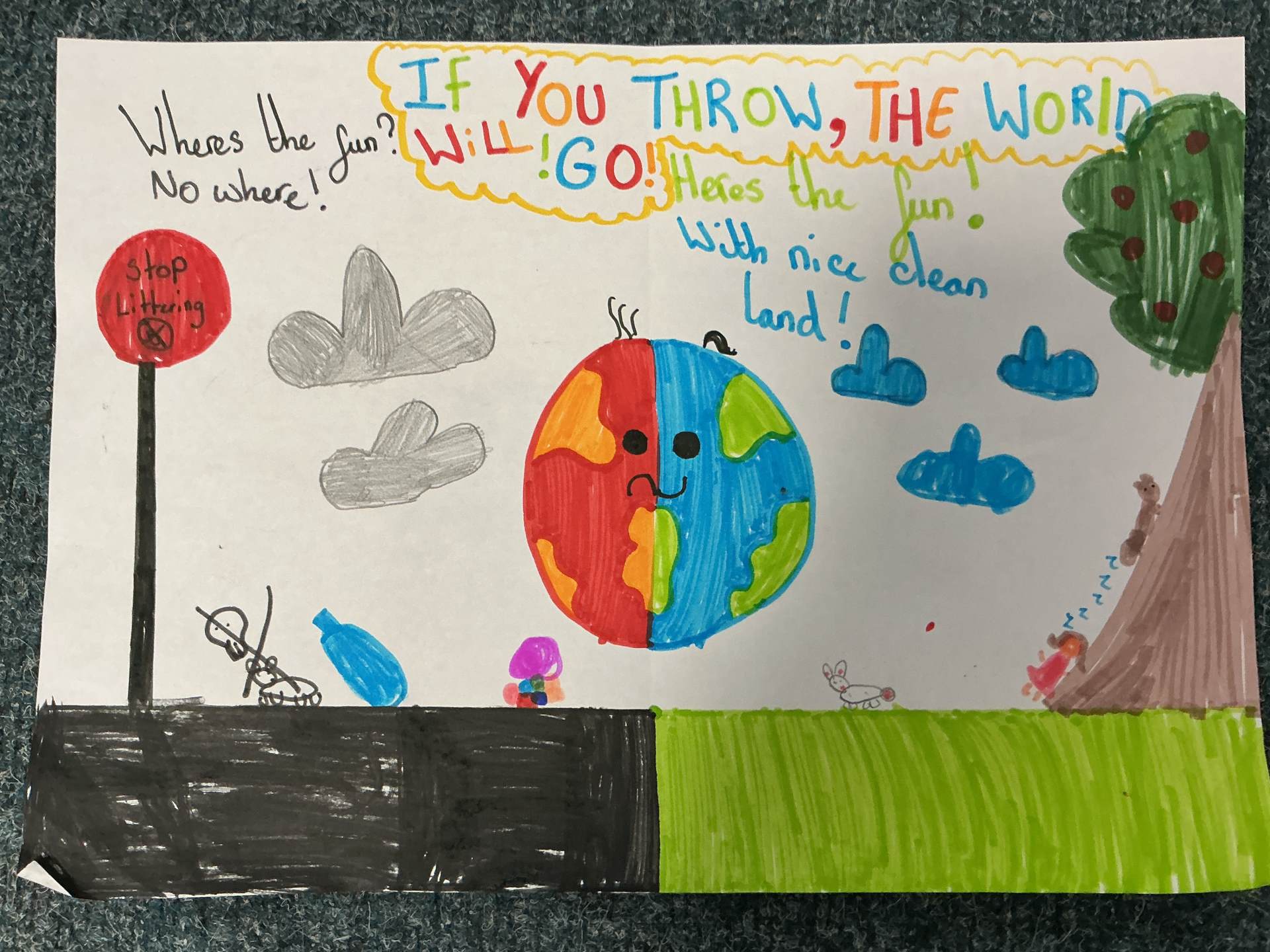
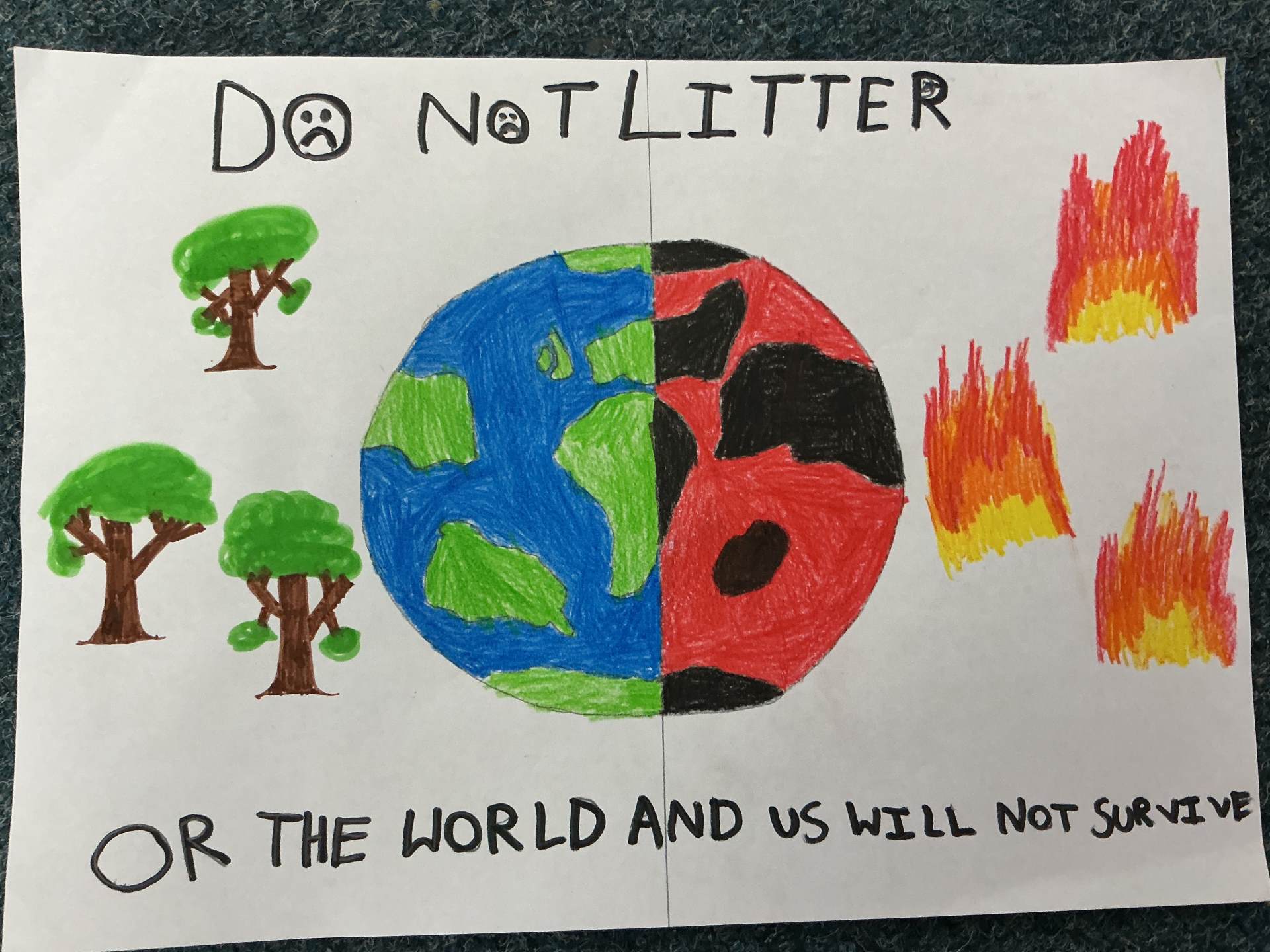
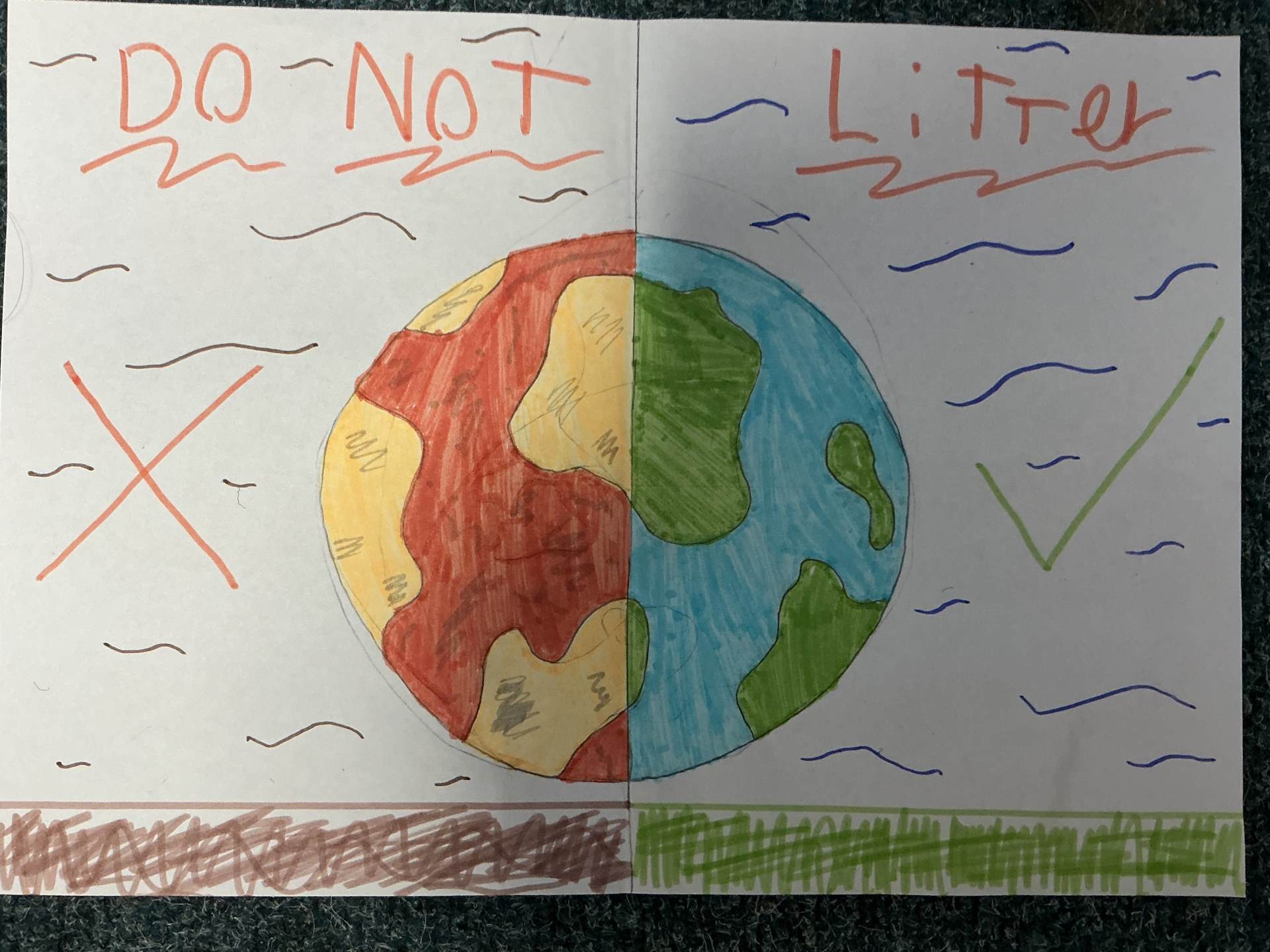
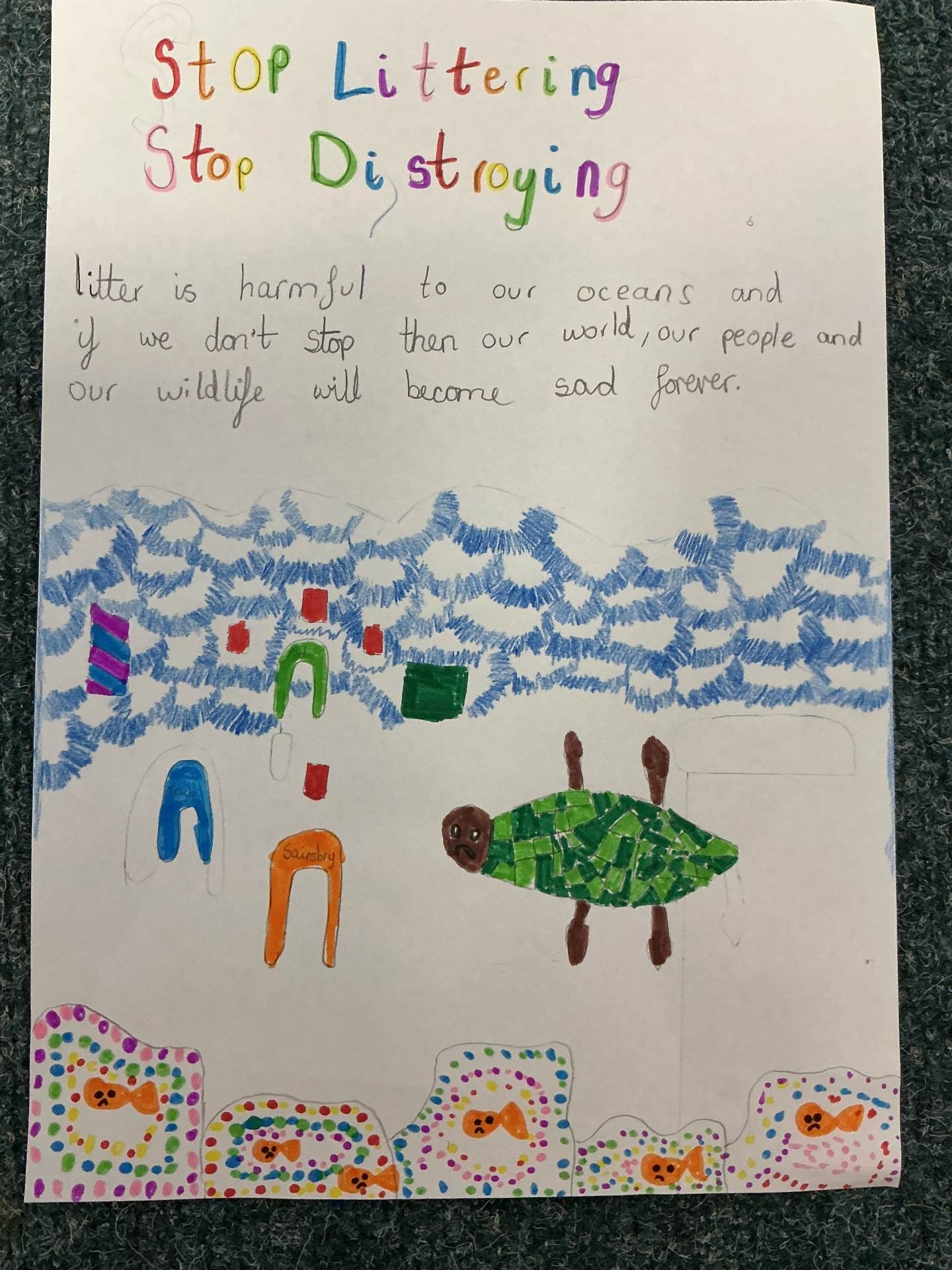
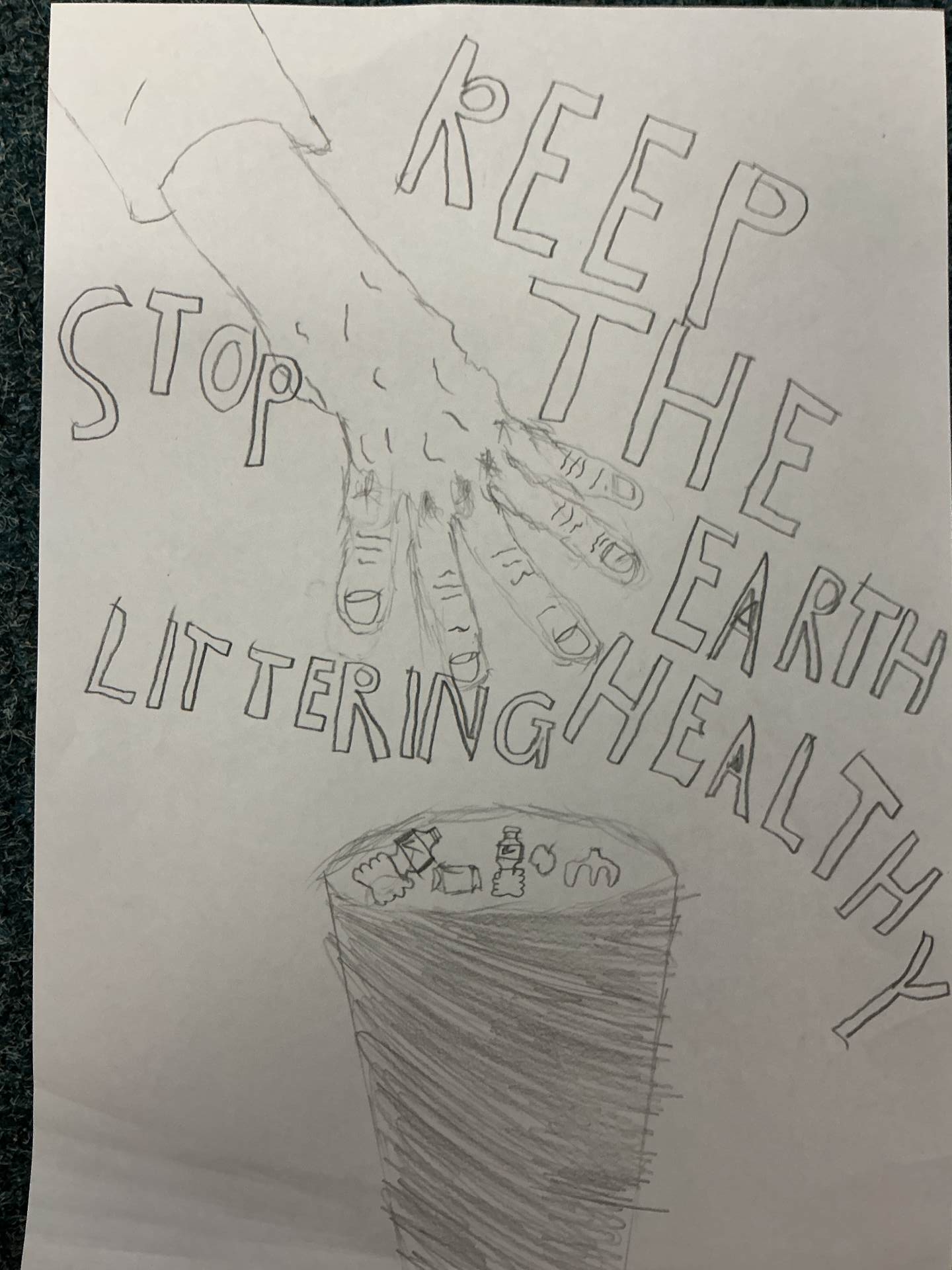
To help make a difference, the children have designed eye-catching posters to encourage people to dispose of their litter responsibly. These will be displayed around the local area, particularly in the litter hotspots that were identified during our fieldwork. As a school, we are committed to always putting our litter in a bin and being positive role models within our community. We will also be taking our litter pickers back out into the local area during the new term to continue caring for our environment and to see whether our actions have made a difference.
Litter picking